 Eng. Kamrul Islam
 In this guide
You replaced the compressor, pulled a vacuum, and charged the system. A week later the compressor locked up. That sound — a grinding clatter from under the hood — usually means one thing: wrong oil.
PAG oil isn’t a one-size-fits-all lubricant. Pick the wrong viscosity or the wrong type, and you’re looking at another compressor swap inside 12 months. This article walks you through exactly what PAG oil does, which grade matches your system, and the three myths that cost people real money.

TSI Supercool
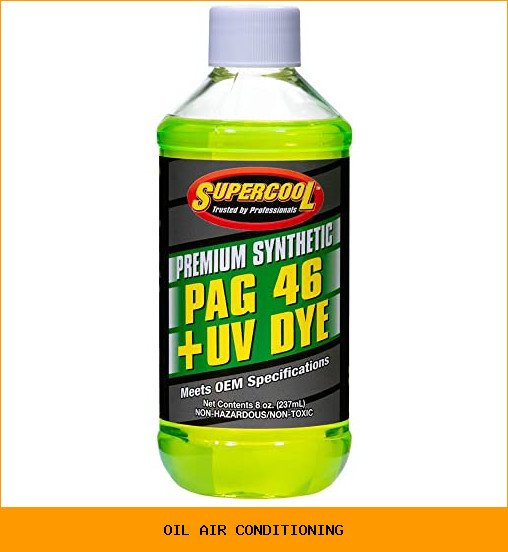
TSI Supercool P46-8D PAG Oil 46 Viscosity with UV Dye 8oz 1-Pack
Meets OEM performance specifications
Buy on AmazonBy the end you’ll know how to read a PAG oil label, why UV dye belongs in every recharge, and when to walk away from a cheap bottle.
One product that solves two common headaches is the TSI Supercool P46-8D PAG Oil 46 Viscosity with UV Dye 8oz 1-Pack. It meets OEM specs, includes anti-wear additives, and has a built-in leak detection dye. That means one bottle does the lubricant job and the diagnostic job. No separate dye injection needed.
Myth #1: Any PAG Oil Will Work in Any R134a System
This is the mistake that kills compressors. PAG 46, PAG 100, and PAG 150 are not interchangeable. They have different viscosities measured at 40°C. Put 150-weight oil in a system designed for 46, and the oil won’t flow properly through the expansion valve. The compressor starves for lubrication at low speeds.
Car manufacturers specify a grade for a reason. Honda and Toyota compact systems almost always call for PAG 46. Large Ford trucks with rear air often need PAG 100. European luxury cars sometimes spec PAG 150 for their variable-displacement compressors.
Check the sticker under the hood or the service manual. If you see ND-OIL 8 or equivalent, that’s PAG 46. If the sticker says PAG 100, don’t substitute.
The TSI Supercool P46-8D is PAG 46. It matches OEM requirements for most Japanese and Korean cars, plus many Chrysler and GM models from the early 2000s. If your system calls for PAG 46, that’s the one.
Myth #2: More Oil Means Better Protection
Too much oil hurts cooling performance. Oil coats the inside of the condenser and evaporator, reducing heat transfer. The system has to work harder, pressures climb, and the compressor runs hotter. Net result: shorter compressor life, not longer.
Most R134a systems hold between 4 and 9 ounces of oil total for the whole system. A new compressor comes pre-filled with the correct amount — usually around 4 ounces — for the compressor alone. The rest of the oil sits in the accumulator, condenser, and lines. When you swap a compressor, you need to remove the old oil from the other components and add only what the compressor manufacturer says.
A common failure: someone drains the old compressor, installs a new one, and adds an extra bottle of oil because they think ‘more lube is better.’ Then the system runs high head pressure, the compressor cycles on thermal overload, and the clutch burns out. I’ve seen it happen more times than I can count.
Stick to the quantity your system needs. If you’re replacing the compressor only, add the oil that came with the new one. If you flushed the whole circuit, add the total system oil capacity minus what the compressor holds.
PAG Oil Viscosity Comparison
The table below shows the three most common PAG grades and which systems they belong in. Use it as a quick reference before you buy.
| PAG Grade | Viscosity at 40°C (cSt) | Typical Applications | Common OEM Specs |
|---|---|---|---|
| PAG 46 | 46 | Compact cars, most Honda/Toyota/Nissan, small SUVs | ND-OIL 8, DENSO 8, SP-10 |
| PAG 100 | 100 | Full-size trucks, cargo vans, some Ford/Lincoln systems | Ford WSH-M1C231-B, GM 12345923 |
| PAG 150 | 150 | Variable-displacement compressors (German cars), high-heat systems | Mercedes A0019891903, BMW 82140009902 |
If you’re still not sure, look at the existing oil color. Fresh PAG 46 is almost clear with a slight amber tint. PAG 100 is noticeably thicker and darker. PAG 150 pours like syrup. But color alone isn’t reliable — oil darkens with age and heat. Check the label on the old canister or consult the service data.
Why Moisture Resistance and UV Dye Matter
PAG oil is hygroscopic — it absorbs water from the air. Leave a bottle open for an hour and it can pull enough moisture to form ice crystals inside the expansion valve. Those crystals block refrigerant flow and kill cooling.
Synthetic PAG oils like the one in TSI Supercool P46-8D include additives that slow moisture absorption. They also contain anti-oxidants that prevent sludge formation. Sludge clogs the orifice tube and reduces heat exchange. Over time it eats the compressor bearings from the inside.
The built-in UV dye is useful for a different reason. Every AC system leaks eventually. Finding the leak without dye involves guesswork and expensive electronic detectors. With UV dye already in the oil, you hit it with a UV light and spot the green glow at the leak point.
One caveat: dye won’t help if the leak is in the evaporator core behind the dash. You still won’t see it without removing the dash. But for every other joint, hose, and seal it saves hours of labor.
Frequently Asked Questions About PAG Oil
Can I mix PAG 46 and PAG 100?
Technically yes, they’re chemically compatible. But you change the final viscosity of the mixture. If your system needs PAG 46 and you mix in PAG 100, the blend ends up somewhere between 46 and 100 cSt. That’s not what the manufacturer designed for. Stick to one grade per system. If you need to top off a small amount, use the exact same bottle you started with.
How do I know if my system already has the right PAG oil?
Look at the service port sticker under the hood. Many cars have a label with the refrigerant type and oil spec. If the label is missing, check the original service manual or call a dealer with your VIN. Some cars use PAG oil from the factory; others use POE oil for R134a retrofits. POE is clear and smells different. If you see dark, gritty oil, flush the system completely and start fresh.
Does UV dye damage the compressor or seals?
Good UV dye formulas — like the one in TSI Supercool P46-8D — are designed to be safe for all AC system components. Cheap aftermarket dyes sometimes contain solvents that attack rubber seals. That’s why factory-approved oils with integrated dye are safer. The dye concentration in that bottle is calibrated to be visible without causing harm. I’ve used it in my own vehicles for years with zero seal failures.
How much PAG oil should I add after a compressor replacement?
Most new compressors come pre-filled with the oil needed for the compressor itself — typically 3.5 to 5 ounces. If you are not flushing the rest of the system, install the compressor with its oil and do not add extra. If you flushed the condenser, evaporator, and lines, add the rest of the system capacity (check the manual) minus the pre-fill. Overfilling is more common than underfilling, and it causes worse problems.
Can I use PAG oil in a system that originally had mineral oil?
No — not without a full flush. Mineral oil and PAG oil do not mix. They form a gel that clogs every small orifice. If you’re converting an old R12 system to R134a, you must flush all mineral oil out first, then add PAG. Even trace amounts left behind cause trouble. Use a dedicated AC flush solvent and compressed air, then vacuum the system before charging.
What You Should Remember
- Match the PAG viscosity to what the car manufacturer specifies — don’t guess.
- Use the exact oil quantity your system holds. A little less oil beats a little more.
- Buy oil with built-in UV dye. It cuts leak-finding time and costs no more than a separate dye injection.
- Never leave a PAG bottle open. Cap it immediately after pouring.
- If you don’t know what’s in the system now, flush it and start with fresh oil.
- TSI Supercool P46-8D covers most Japanese and domestic systems that call for PAG 46. Check current pricing on Amazon — it’s usually cheaper than buying oil and dye separately.
- When in doubt, read the label under the hood before you buy anything.

Eng. Kamrul Islam
Founder and product researcher
Engineer with more than 10 years of experience researching and selling products on Amazon, including his own brand on Amazon Australia. He compares specs, standards, sellers and owner feedback.
All guides by Eng. Kamrul IslamMore in ac & compressor oils
All 193 guidesThe 7 Best Air Conditioner PAG Oil of 2026
Discover the top air conditioner PAG oils that promise to enhance your vehicle’s cooling system in 2026. Keeping…
 Guide
GuideOil Air Conditioning: What You Need to Know for Reliable Cooling
You expect your air conditioner to blast cold air on a 95-degree day. But when it sputters, blows…
Air Con Oil
Air conditioning systems are essential for maintaining comfort in homes and businesses, especially in regions with extreme temperatures.…