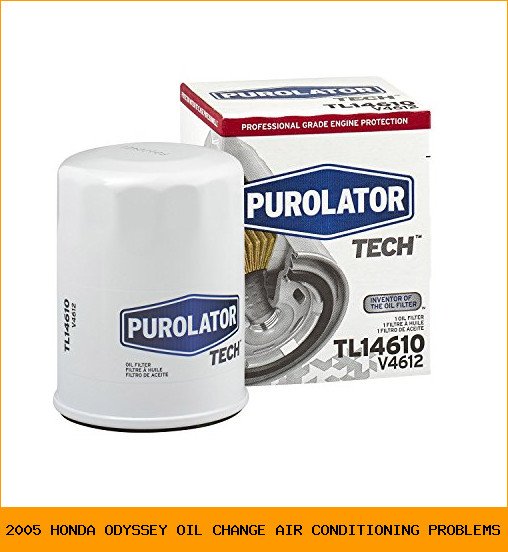
 Guide
2005 Honda Odyssey Oil Change & Air Conditioning Problems: A Complete Guide
It’s the middle of July. You load the family into your 2005 Honda Odyssey for a weekend trip.…
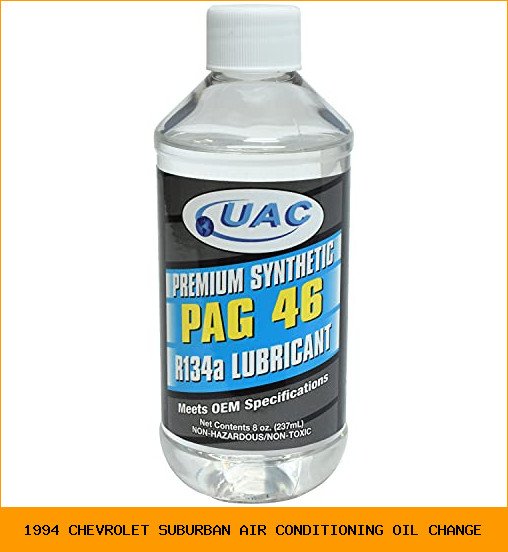 Guide
1994 Chevrolet Suburban Air Conditioning Oil Change: A No-Nonsense Guide
You hop into your 1994 Chevrolet Suburban on a July afternoon, crank the AC, and all you get…
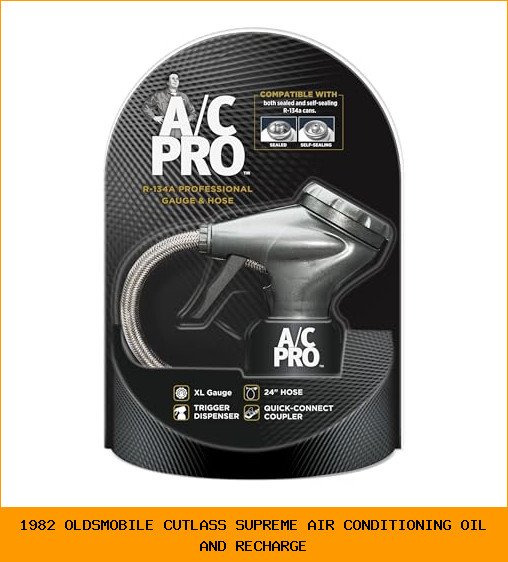 Guide
1982 Oldsmobile Cutlass Supreme Air Conditioning Oil and Recharge: A Step-by-Step Guide
You crank the blower on your 1982 Cutlass Supreme. Hot air hits you in the face. The compressor…
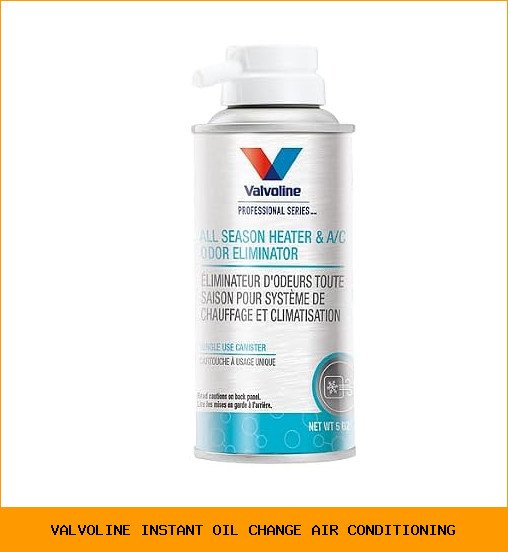 Guide
Valvoline Instant Oil Change Air Conditioning Service: What You Need to Know Before Your Visit
You roll down the window on a 95-degree afternoon, crank the A/C to max, and get a weak…
 How-to
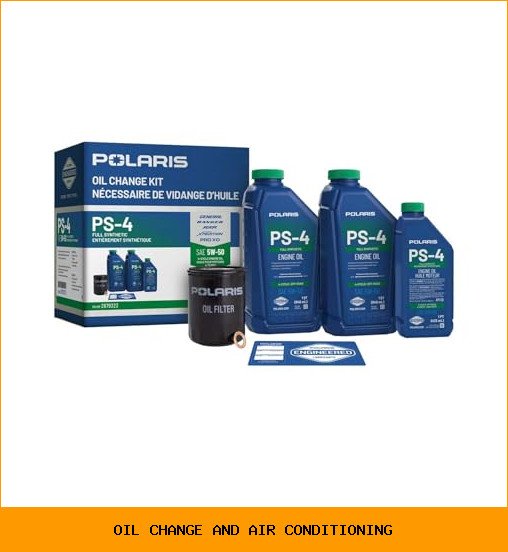
How Oil Changes and Air Conditioning Are More Connected Than You Think
Introduction to Oil Changes and Air Conditioning You roll down the window on a hot summer day. The…
 How-to
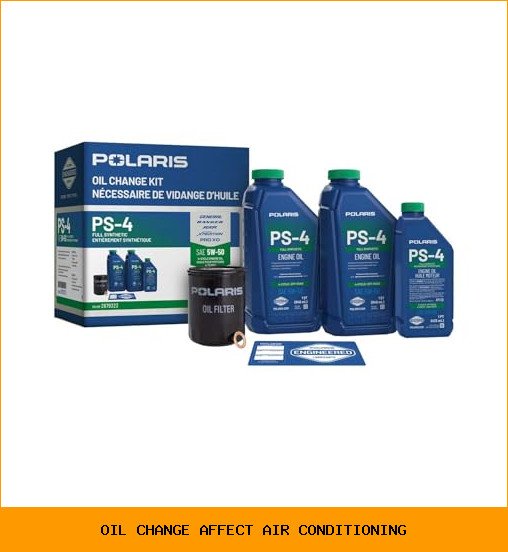
How an Oil Change Affects Your Car’s Air Conditioning (Real Answers)
You hop into your car on a 95-degree day, crank the AC, and get lukewarm air. The engine…
 Guide
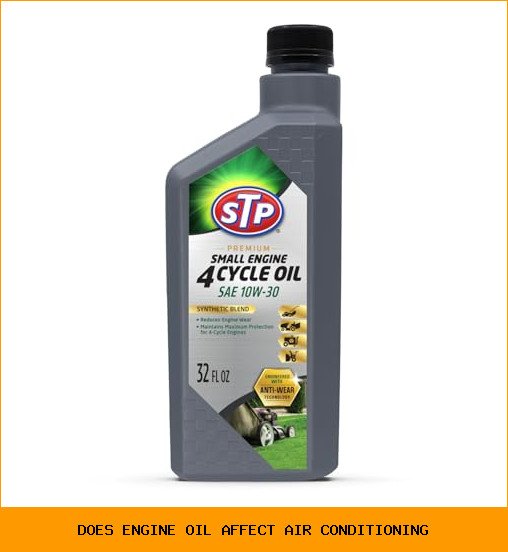
Does Engine Oil Affect Air Conditioning? The Surprising Connection
You hop in your car on a July afternoon, crank the AC to max, and wait for cold…
 Guide
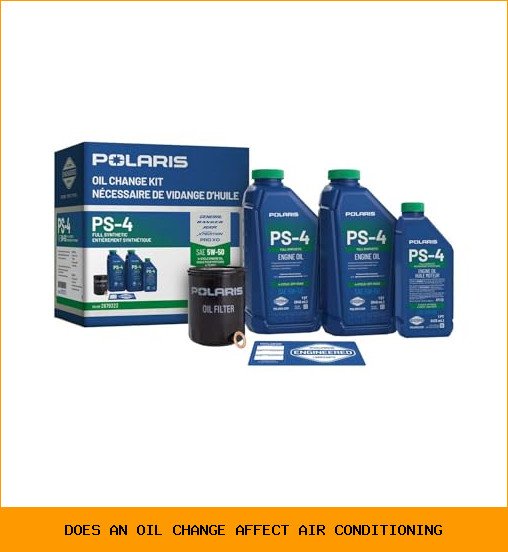
Does an Oil Change Affect Air Conditioning? What Drivers Need to Know
You pull away from the service bay after a routine oil change, crank the AC on a hot…
 How-to
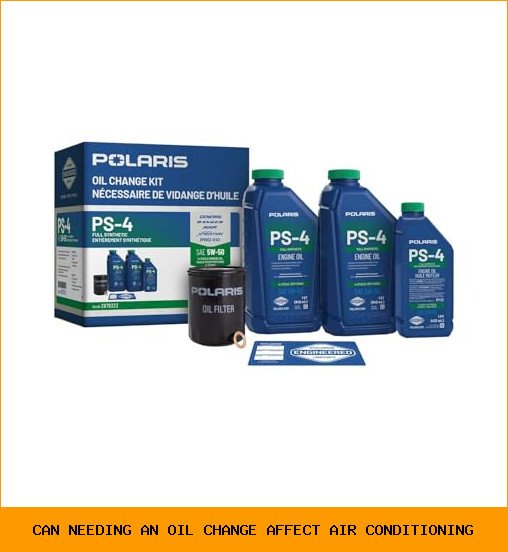
Can Needing an Oil Change Affect Air Conditioning? Here’s What You Need to Know
You pull into your driveway on a 95-degree afternoon, crank the AC to max, and wait for that…
 How-to
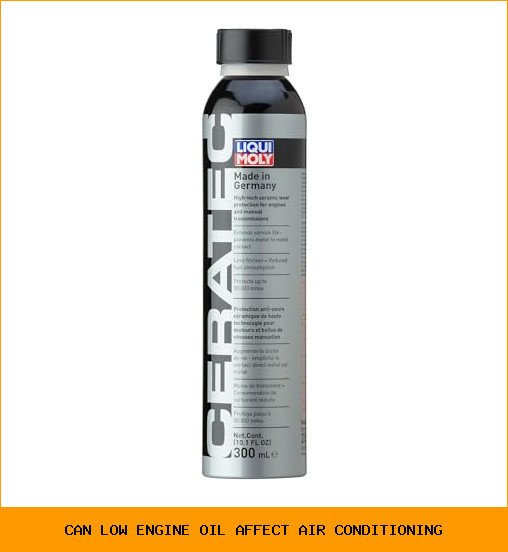
Can Low Engine Oil Affect Air Conditioning? Here’s What Actually Happens
You’re sitting at a stoplight in July. The AC is blowing warm air. You check the refrigerant pressure…
About motor & engine oils
Reading 5W-30 and its relatives
The first number with the W describes cold flow, the second how thick the oil stays at operating temperature. A 0W-20 reaches the top of a cold engine faster than a 10W-40, which is why many modern engines specify thin oils. Thicker is not automatically better: modern engines have tight tolerances and oil-fed parts such as variable valve timing that are designed around a specific grade.
The rating matters as much as the grade
API SP is the current standard for petrol engines, and many carmakers add their own approvals on top. If your manual asks for a specific approval, meeting the viscosity alone is not enough. Diesel engines use a different set of ratings again.
Synthetic, blend or conventional
Full synthetic holds its thickness better when hot, flows better when cold and generally lasts longer between changes. A blend sits in between. Conventional oil still works in older, simpler engines that are changed often. For short trips, towing, hot climates or long intervals, synthetic is the safer choice.
Too much oil, too little oil
Both are a problem. Running low starves the pump and the bearings. Overfilling lets the crankshaft whip the oil into foam, which pumps badly and can push oil past seals or into the intake. A small overfill, roughly a quarter of a quart above the top mark, is usually harmless and worth correcting at the next change. A large overfill is worth draining now. Our guides cover the symptoms and the fix for both.
Checking the level properly
Park level, switch off, wait a few minutes for the oil to drain back, then pull and wipe the dipstick, push it fully home and pull it again. Reading a dipstick straight after switching off is the most common reason people think they are a litre low.