 How-to
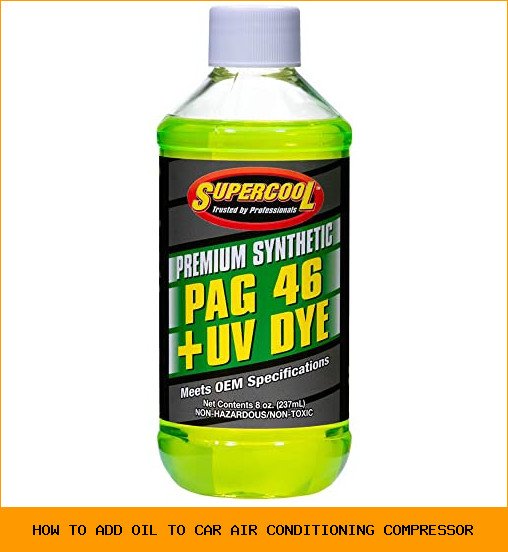
How to Add Oil to a Car Air Conditioning Compressor (Step-by-Step Guide)
Your car’s AC blows warm. You check the refrigerant pressure and it’s fine. But the compressor sounds rough,…
 How-to
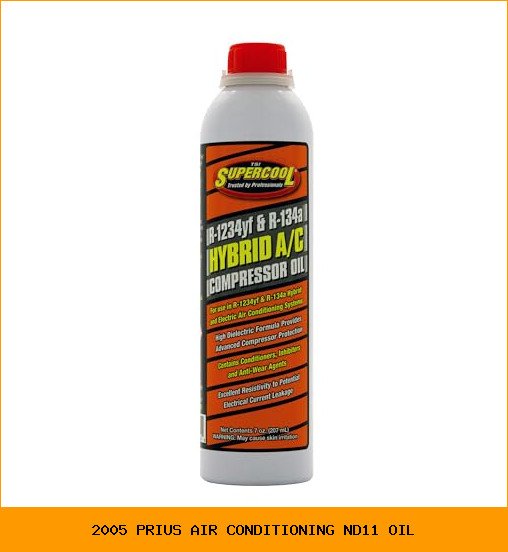
How to Diagnose and Recharge the Air Conditioning on a 2005 Prius (ND11 Oil Guide)
Your 2005 Prius AC blows warm air on the hottest day. You have heard it is a hybrid…
 How-to
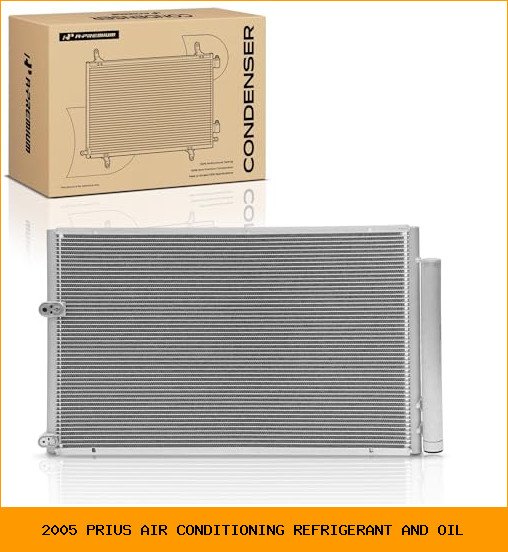
How to Recharge the AC on a 2005 Toyota Prius: Refrigerant and Oil Guide
It is the middle of July. You are sitting in traffic, the sun is baking through the windshield,…
2008 Range Rover Sport Air Conditioning Oil Capacity – Complete Guide
You roll down the windows on a July afternoon, and the air from the vents feels like a…
 Guide
2011 VW Jetta SE 2.5L Air Conditioning System Oil – The Complete Guide
You hit the A/C button on a hot July afternoon. The vents blow warm air. Your 2011 VW…
 Capacity
2008 Range Rover Sport Air Conditioning Oil Capacity: What You Need to Know Before Recharging
You have a 2008 Range Rover Sport, and the cabin air went from ice-cold to barely cool on…
 Capacity
2006 Scion xB Air Conditioning Oil Capacity: What Most Owners Get Wrong
You hop in your 2006 Scion xB on a July afternoon, turn the A/C knob to max, and…
 Guide
2006 Scion xB Air Conditioning Oil: What You Need to Know
Your 2006 Scion xB’s air conditioning blows warm on a July afternoon. You’ve checked the refrigerant pressure, cleaned…
2006 Quest Air Conditioning Oil: Complete Guide to Refrigerant Oil Types, Capacity, and Maintenance
You hop into your 2006 Dodge Quest on a July afternoon, crank the A/C, and get warm air.…
 Guide
The Right Oil for Your 2005 York H2RC018S06G AC Unit (and Why It Matters)
You’ve got a 2005 York H2RC018S06G condenser sitting in your yard. Maybe you’re replacing a seized compressor, or…
About ac & compressor oils
Why an AC system needs oil at all
The compressor is a pump with moving parts, and it is lubricated by oil that travels around the system mixed with the refrigerant. That is why the oil type has to match both the compressor and the refrigerant. Get it wrong and the oil either will not circulate or will not mix, and the compressor is the part that pays.
PAG, POE and mineral
PAG oils are used in most modern car AC systems running R-134a or R-1234yf, and they come in ISO grades such as PAG 46, PAG 100 and PAG 150. POE, a polyol ester, is common in electric compressors on hybrids and EVs, because it does not conduct electricity the way PAG can. Mineral oil belongs to older R-12 systems and to many air compressors. Substituting one for another is not a small shortcut; it is the usual cause of an early compressor failure.
Which PAG grade
The compressor maker decides, not the car maker, and the number is often printed on a label on the compressor itself or listed in the service data. Where our guides list a grade for a specific model, treat it as a starting point and confirm it against that label.
How much oil goes in
Capacity depends on the system, and it is split between the compressor, condenser, evaporator and drier. After replacing a part, you add the amount that part holds rather than a full charge. Too much oil coats the inside of the evaporator and coils, cooling drops off, and pressures read high. Too little and the compressor runs dry.
Leaks, smells and noise
Oily residue around a fitting usually means refrigerant is escaping there too, since they travel together. A burnt or oily smell from the vents, weak cooling after a recharge, or a compressor that grumbles under load are all worth diagnosing before adding anything.
Home units and air compressors
Home AC systems are sealed and are not a DIY oil job, but knowing what is inside helps when you talk to a technician. Piston air compressors are different again: most use a non-detergent oil, often ISO 100, changed on an hours schedule.
Popular in this category: R-134a