 Eng. Kamrul Islam
 In this guide
Air conditioning systems are essential for maintaining comfort in homes and businesses, especially in regions with extreme temperatures. While most people are familiar with the basic components of an air conditioning unit, such as the compressor, evaporator, and condenser, the role of air con oil is often overlooked. This specialized lubricant plays a crucial role in ensuring the efficient operation and longevity of your air conditioning system. Understanding air con oil—not just its types, but also its functions, maintenance, and how to choose the right one—can make a significant difference in your unit’s performance.

Freeman
Freeman PTTO Air Tool Oil, 8 oz.
Specifically made for the daily lubrication of air compressor tools
Buy on AmazonTable of Contents
- What is Air Con Oil?
- Types of Air Con Oil
- Functions of Air Con Oil
- Maintaining Your Air Con Oil
- How to Choose the Right Air Con Oil
- Air Con Oil FAQ
What is Air Con Oil?
Air con oil, also known as refrigerant oil, is a specialized lubricant designed for use in air conditioning systems. It is formulated to work with the refrigerants used in these systems, ensuring that all moving parts operate smoothly and efficiently. This oil is critical for maintaining the compressor’s functionality, as it provides the necessary lubrication to prevent wear and tear and helps dissipate heat generated during operation.
Types of Air Con Oil
There are several types of air con oils available, each suited for different types of air conditioning systems. Understanding these types can help you make an informed decision about which oil is best for your unit.
Mineral Oil
Mineral oil is the most traditional type of air conditioning oil and is derived from refining crude oil. It is suitable for older systems that use R-12 refrigerant. However, it is not compatible with newer refrigerants like R-134a and R-410A.
Synthetic Oil
Synthetic oils are man-made lubricants designed to provide superior performance compared to mineral oils. They have a higher viscosity index, which means they maintain their viscosity over a broader temperature range. Synthetic oils can be used with various refrigerants, making them a versatile choice for modern air conditioning systems.
Ester Oil
Ester oil is a type of synthetic oil commonly used in systems that use hydrofluorocarbon (HFC) refrigerants. This oil is hygroscopic, meaning it can absorb moisture, which can be beneficial in preventing corrosion within the system. Ester oils are especially suitable for R-134a and R-410A refrigerants.
Functions of Air Con Oil
The primary functions of air con oil include lubrication, cooling, and sealing. Each of these functions is vital for the overall efficiency and longevity of your air conditioning system.
Lubrication
The most critical role of air con oil is to lubricate moving parts within the compressor and other components. Proper lubrication reduces friction and wear, preventing damage and extending the life of the system.
Cooling
Air con oil helps dissipate heat generated during the compression process. This cooling effect is essential for maintaining optimal operating temperatures and preventing overheating, which can lead to system failure.
Sealing
Air con oil also aids in sealing the gaps between moving parts, which helps maintain pressure within the system. This pressure is crucial for the efficient operation of the air conditioning unit.
Maintaining Your Air Con Oil
Regular maintenance of your air con oil is crucial for the optimal performance of your air conditioning system. Here are some tips to help you maintain your air con oil effectively.
Regular Inspections
It’s essential to inspect your air conditioning system regularly for any signs of oil leaks or deterioration. If you notice any leaks, it’s crucial to address them immediately to prevent damage to the system.
Change Frequency
The frequency at which you need to change your air con oil can vary based on the type of oil used and the operating conditions of your system. Generally, it is recommended to change the oil every 1-2 years or as specified by the manufacturer.
How to Choose the Right Air Con Oil
Choosing the right air con oil is critical to the performance and efficiency of your air conditioning system. Here are some factors to consider when selecting air con oil.
Compatibility with Refrigerants
Ensure that the oil you choose is compatible with the refrigerant used in your air conditioning system. Using incompatible oil can lead to poor lubrication and system inefficiency.
Viscosity Rating
The viscosity rating of the oil determines how well it flows at various temperatures. Choose an oil with a viscosity rating that meets the specifications of your system for optimal performance.
Manufacturer Recommendations
Always refer to your air conditioning system’s manual for manufacturer recommendations regarding oil type and specifications. Following these guidelines will help ensure the longevity and efficiency of your system.
A: It is generally recommended to change your air con oil every 1-2 years, but always check your system’s manufacturer guidelines for specific recommendations.
A: It is not advisable to mix different types of air con oils, as this can lead to compatibility issues and reduced performance.
Air Con Oil FAQ
A: Without proper lubrication from air con oil, the moving parts within your system can wear down quickly, leading to overheating, increased friction, and potential system failure.
A: Yes, synthetic oil generally offers better performance, higher resistance to thermal breakdown, and compatibility with a wider range of refrigerants compared to mineral oil.
A: You can find high-quality air con oils at automotive supply stores, online retailers, or through HVAC service providers. For specific recommendations, check out articles like The 7 Best Air Conditioning Ester Oils of 2026.
A: Using the wrong air con oil can lead to inadequate lubrication, causing increased wear on components, overheating, and potentially catastrophic system failure.
Conclusion
Air con oil is a critical component of your air conditioning system, playing a vital role in lubrication, cooling, and sealing. By understanding the different types of air con oils, their functions, and how to maintain them, you can ensure your air conditioning system operates efficiently and lasts for years. Always refer to your manufacturer’s guidelines when selecting and maintaining air con oil, and consider professional assistance for optimal care. For further insights, check out resources like The 7 Best Air Conditioner Oil Filters of 2026, The 7 Best Air Conditioner Oil Capacities of 2026, and The 7 Best Air Conditioner Oil Pumps of 2026.
Related pick: Check today's price on Amazon

Eng. Kamrul Islam
Founder and product researcher
Engineer with more than 10 years of experience researching and selling products on Amazon, including his own brand on Amazon Australia. He compares specs, standards, sellers and owner feedback.
All guides by Eng. Kamrul IslamMore in ac & compressor oils
All 193 guidesWhat Oils Are In Conditioner
When it comes to maintaining and optimizing air conditioning systems, understanding the role of various oils in conditioners…
 How-to
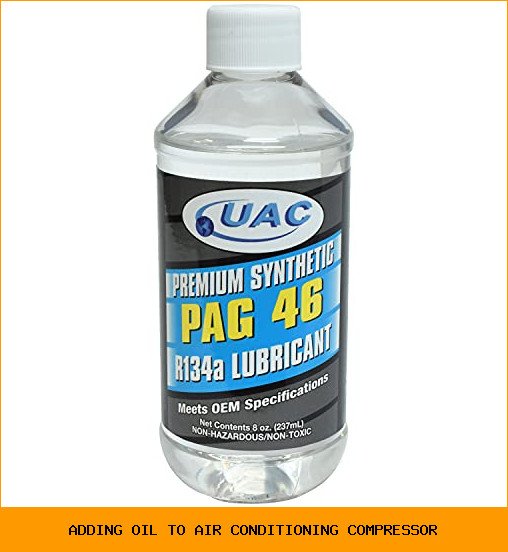
How to Add Oil to an Air Conditioning Compressor (Without Making a Mess)
You turn on the AC. Warm air blows out. The compressor cycles fast and sounds rough. Maybe it…
The 7 Best Air Conditioner Oils for Your Car in 2026
Maintaining your car's air conditioning system is crucial for optimal performance and longevity. The right air conditioner oil…