 Eng. Kamrul Islam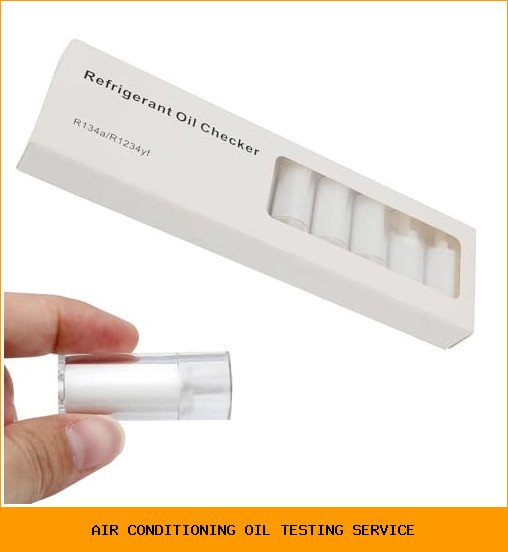
In this guide
You’re driving home on a hot afternoon. The AC starts blowing warm air. You figure it’s low on refrigerant, so you top it off. Next week the compressor locks up and you’re looking at a $1,500 repair bill. What happened?
Chances are, the oil in your AC system was too low or had turned acidic. Refrigerant carries oil through the compressor, and when the oil level drops or gets contaminated, the compressor starves and dies. A proper air conditioning oil testing service — either done with a shop-quality tool or a simple DIY checker — can catch that problem before it kills the compressor.

OUPUSES
OUPUSES 10PCS Car Aircon Oil Checker Refrigerant Oil Analyzer AC Oil Tester Automotive Air Conditioning System R134A Refrigeration Oil Level Checker Compatible with R134a/R1234yf System
【Compatible with R134a / R1234yf system】 This auto air conditioning system oil tester is designed for R134a / R1234yf system oil. For accurate results, it is important to ensure sufficient refrigerant in the vehicle before conducting the test, ensuring no shortage of refrigerant during the detection process.
Buy on AmazonThis article walks you through what oil testing actually tells you, when a cheap DIY tester is enough, and when you should hand the job to a shop with a professional air conditioning oil testing service kit. No fluff, just what you need to know to protect your AC system and your wallet.
If you want a fast, low-cost way to check oil level and acidity yourself, the OUPUSES 10PCS Car Aircon Oil Checker does both jobs for R134a and R1234yf systems. It’s a pocket-sized kit that reads oil condition through the low-pressure port — no draining, no fancy tools. We’ll get into how it works later.
What an Oil Test Actually Tells You
Three things matter in AC oil: level, acidity, and clarity.
Oil level. Too little oil, and the compressor’s internal parts grind against each other. Too much oil, and the system can’t circulate refrigerant properly. A healthy system needs a specific amount — usually between 4 and 8 ounces depending on the car and compressor size.
Acidity. Refrigerant oil absorbs moisture over time. Moisture plus heat creates hydrofluoric acid. That acid eats the compressor’s seals, bearings, and aluminum components from the inside. A simple pH-sensitive test can tell you if the oil is still neutral or already corrosive.
Clarity. Clean oil is nearly transparent. Dirty oil looks dark brown or black. If the oil looks like used motor oil, the system has been overheated or contaminated. That means the compressor is already damaged inside, even if it still runs.
A professional air conditioning oil testing service will measure all three. A basic DIY tester like the OUPUSES checks oil level and acidity — the two most common causes of failure. But it won’t tell you the oil’s color. For that, you still need to look through a sight glass or drain a sample.
DIY vs. Professional Oil Testing: The Real Trade-Offs
Here’s the honest answer: most compressor failures happen slowly, and a $20 DIY test every 12 months is enough to catch the problem before it gets expensive. But not all DIY testers are equal, and some situations demand a pro’s gear.
The OUPUSES oil checker works by attaching to the low-pressure service port. You push down briefly, and the tool draws a small sample of oil into a clear chamber. Inside that chamber, a pH indicator changes color if the oil is acidic. The same chamber shows the oil level based on how much oil flows in relative to the refrigerant flow. It’s dead simple — you press, release, repeat twice, and read the result in about 10 seconds.
What it doesn’t do: measure exact oil volume in ounces, detect metal particles, or test for moisture content beyond what acidity indicates. Those require laboratory analysis or expensive electronic sensors.
When is a professional air conditioning oil testing service worth the trip? Three scenarios:
- After a compressor replacement. The new compressor needs the exact oil charge. A pro will flush the system, measure recovered oil, and add the precise amount. DIY testers can’t measure quantity accurately enough for that job.
- When the AC has been open to air for hours. A leaking seal or open hose lets in moisture. You want a full moisture-and-acid analysis, not just a quick pH strip.
- If the compressor already makes noise. Grinding, squealing, or chattering means internal damage is happening. A cheap test won’t tell you how bad it is. A shop can use an electronic oil analyzer that measures wear metals in parts per million.
For routine maintenance — every two years or before a long summer road trip — the DIY route is perfectly fine. Most shops charge $80-$150 for an oil inspection. A $20 multi-pack of testers (like the OUPUSES) gives you ten tests. That’s $2 per check. You do the math.
Step-by-Step: How to Use a DIY Oil Tester Correctly
The biggest mistake people make is testing the oil when the system isn’t running properly. Here’s the correct procedure, based on what the engineers who designed these testers actually recommend.
- Run the AC on max cool for at least 5 minutes. The compressor has to be engaged with the clutch locked. Open all four windows or the doors so the evaporator doesn’t freeze. Set the blower to high, temperature to coldest, recirculation off.
- Find the low-pressure service port. It’s the smaller of the two ports, usually on the larger-diameter metal line between the compressor and the evaporator. It has a black or blue cap. The high side port has a red cap — don’t touch it.
- Attach the tester firmly over the port. Press down until you feel the Schrader valve depress. Hold for 1-2 seconds, then release. Repeat twice. The tool’s internal chamber will fill with a mixture of refrigerant and oil.
- Read the oil level mark. Most testers have “Low,” “Normal,” and “High” windows. If the oil fills to “Normal,” you’re good. If it’s below, you need to add oil. If above, you might have overcharged oil from a previous repair.
- Check the acid indicator. The small paper strip inside the chamber will change color if acid is present. Compare to the included color chart. Purple or blue means neutral. Yellow or orange means acidic — take the car to a shop.
A few caveats. This test works only if the system has enough refrigerant to carry oil through the lines. If the system is low on charge, the oil won’t circulate, and the tester will show a false “low oil” reading. So always check refrigerant pressure first. If the AC isn’t cold, recharge it before you test oil.
Also, some vehicles (especially hybrids and EVs with electric compressors) require special procedures. The OUPUSES tester works with R134a and R1234yf systems, but check your car’s service manual before using it on a non-standard system.
| Method | What It Measures | Cost per Test | Best For |
|---|---|---|---|
| DIY pH strip tester (e.g., OUPUSES) | Oil level approximate, acidity (yes/no) | $2 | Routine checks, pre-season inspection |
| Electronic oil analyzer (pro shop) | Exact volume, moisture %, metal particles, acid level | $80-$150 | Post-repair, noisy compressor, suspected contamination |
| Sight glass inspection (built-in or external) | Oil clarity, foaming, level (if calibrated) | $0 if equipped | Quick visual check on some older systems |
| Laboratory oil analysis | Full spectrometric analysis, wear metals, viscosity | $30-$60 | Fleet vehicles, warranty claims, failure investigation |
The table makes it obvious: DIY testers handle the 80% case. For the other 20% — major repairs, unusual symptoms, or big fleets — a professional air conditioning oil testing service is the right call.
Signs You Need Oil Testing Right Now
You don’t need to guess. Here are four symptoms that tell you an oil check is overdue.
- AC blows warm intermittently. Low oil can cause the compressor to cycle on and off erratically as internal friction triggers the thermal overload switch.
- Visible oil stains near AC lines or the compressor. That’s a leak. If oil has leaked out, the system is low. And moisture has already gotten in.
- You just replaced a component. New compressor, new condenser, new evaporator — any major part swap changes the oil balance. Always test oil level and acidity after a repair.
- The AC hasn’t been serviced in 3+ years. Even sealed systems absorb moisture through hose permeation over time. The oil slowly turns acidic.
If any of these apply, grab a tester or book a shop visit. Waiting until the compressor locks up costs you a new compressor ($400-$1,200), labor, and a full system flush. An oil test costs pocket change by comparison.
Frequently Asked Questions
Can I use a DIY oil tester on a hybrid or electric car?
Depends on the system. Many hybrids use an electric compressor that runs on high voltage. The low-pressure port is still accessible, but the oil type may be different (e.g., PAG vs. POE). The OUPUSES tester is compatible with R134a and R1234yf systems regardless of compressor type, but check your owner’s manual for the correct oil. If the car uses a non-standard refrigerant, don’t use this tool.
How often should I test my AC oil?
Once a year before summer is a good rule for most cars. If you live in a hot climate and run the AC daily, every 12 months is fine. If you live in a cooler area and use AC rarely, every two years works. High-mileage vehicles (over 100,000 miles) benefit from more frequent checks — every 6 months is cheap insurance.
Will a DIY oil tester work if the AC is low on refrigerant?
No. The test relies on enough refrigerant flow to carry oil into the tool’s chamber. If the system is low, the oil stays in the compressor and the tester reads “low” even if the actual oil level is correct. Always ensure the system has proper refrigerant charge before testing. If you’re not sure, have a shop check the pressures first.
Does the OUPUSES tester work on R12 systems?
No. It’s designed only for R134a and R1234yf systems. R12 systems use mineral oil, and the pH chemistry may not react the same way. Also, the service port fittings are different. For older cars converted to R134a, the tester works if the system uses the correct retrofit fittings.
What does it mean if the acid indicator turns yellow?
Yellow or orange means the oil is acidic. That’s a serious sign. The acid has already started corroding internal parts. You should take the car to a shop for a full system flush, new oil charge, and likely a filter/drier replacement. Running the AC with acidic oil will destroy the compressor within months. Do not just add oil — flush the system completely.
What to Do Next
- Test your AC oil once a year. Mark it on your calendar, same time you change the cabin filter.
- If you see a low oil reading, add the exact type and amount specified in your service manual. Overfilling is just as bad as underfilling.
- If the oil shows acidic, don’t delay. Get a professional air conditioning oil testing service to confirm and start the repair process.
- For routine checks, the OUPUSES oil checker is a solid DIY option. Keep one in the glove box — it takes two minutes and costs less than a fast-food lunch.
- After any major AC repair, test the oil level and acidity before driving off. The shop should do this, but double-checking saves headaches.
- If your car has over 100,000 miles, consider an annual professional oil analysis (electronic tester) for peace of mind. It catches wear metals early.
- Never skip an oil test just because the AC blows cold. The worst failures happen when everything seems fine.

Eng. Kamrul Islam
Founder and product researcher
Engineer with more than 10 years of experience researching and selling products on Amazon, including his own brand on Amazon Australia. He compares specs, standards, sellers and owner feedback.
All guides by Eng. Kamrul IslamMore in ac & compressor oils
All 193 guides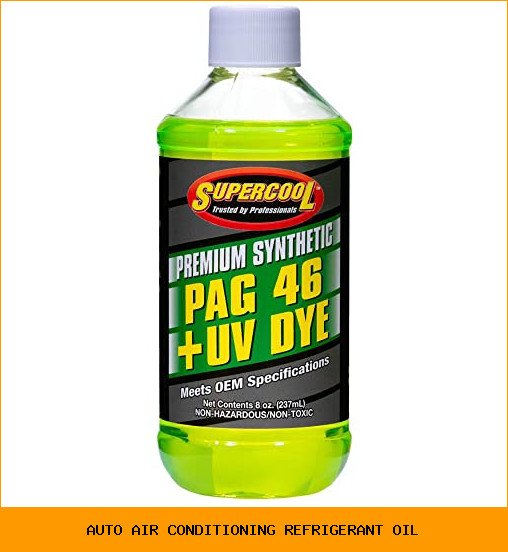 Guide
GuideAuto Air Conditioning Refrigerant Oil: How to Choose and Use the Right PAG Oil
You roll down the windows on a 95-degree day, hit the AC button, and get nothing but warm…
 Guide
GuideThe Truth About Standard Oil Air Conditioning: Myths, Facts, and What Actually Works
Your neighbor told you his air conditioner runs on oil. Or you saw a product labeled ‘standard oil…
 How-to
Can Low Oil Cause Air Conditioning Problems?
You pull into your driveway on a 95-degree day, crank the AC to max, and all that comes…