 Eng. Kamrul Islam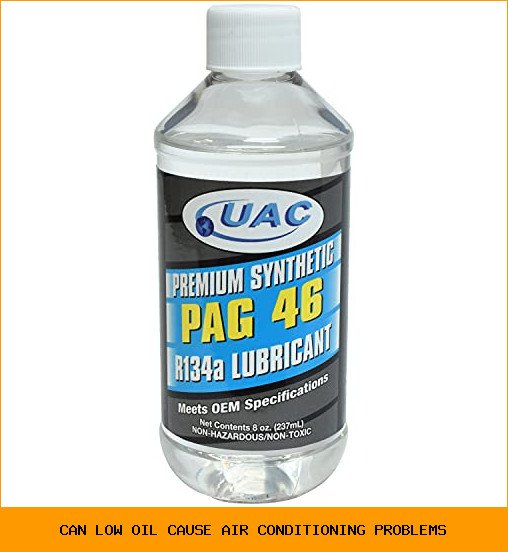
In this guide
You pull into your driveway on a 95-degree day, crank the AC to max, and all that comes out is warm, humid air. The compressor under the hood is making a noise you have never heard before — a metallic rattle or a hard clunk when the clutch engages. You wonder if the system is low on refrigerant. But the real culprit might be something else entirely: low oil.
Most people do not realize that your car’s air conditioning system needs oil just as much as your engine does. Refrigerant carries the oil through the compressor, condenser, evaporator, and expansion device. If oil level drops too low, the compressor — the most expensive single component in the system — can self-destruct within minutes. This article explains exactly how low oil causes AC problems, what symptoms to watch for, and what to do about it.

UAC
Universal Air Conditioner RO 0900B Refrigerant Oil
Fit type: Vehicle Specific;Fit Type: vehicle specific
Buy on AmazonYou will walk away knowing how to spot low-oil damage before it costs you a new compressor, why some shops push unnecessary repairs, and exactly what kind of oil to use if you are topping off a system yourself.
If you need to add oil during an AC service or repair, you want something that matches your vehicle’s original equipment. The Universal Air Conditioner RO 0900B Refrigerant Oil from UAC is a vehicle-specific OE replacement oil available on Amazon. It helps maintain maximum cooling efficiency and is designed to work with the compressor in your particular make and model. Check the current price and confirm fitment for your vehicle before buying.
How Oil and Refrigerant Work Together in Your AC System
Refrigerant does the cooling. But by itself, it cannot lubricate the compressor. That is where oil comes in. The compressor has moving parts — pistons, scrolls, or vanes — that spin at high speed, often thousands of revolutions per minute. Without oil, metal grinds against metal. Heat spikes. Seals fail.
The oil travels through the entire AC loop mixed with the refrigerant. It is not a separate reservoir like your engine oil pan. Instead, a small amount of oil circulates constantly. Most modern car AC systems hold between 4 and 8 ounces of oil total. Some compressors have a slight oil sump inside, but the bulk of the oil moves with the refrigerant.
When a leak lets refrigerant escape, oil escapes with it. Refrigerant is a gas at room temperature, so it hisses out fast. Oil is thicker and may weep out slower, but it still leaves. That means a slow refrigerant leak can drain your system of oil without you ever seeing a puddle on the driveway.
Another common cause of low oil: improper service. If a mechanic evacuates the system and does not measure exactly how much oil came out, they might put back too little. Or they might replace a component like a condenser or evaporator without adding the oil that the new part needs. A new condenser often holds 1 to 2 ounces of oil from the factory, but not always. The technician must check.
4 Signs Low Oil Is Killing Your AC Compressor
Low oil rarely announces itself with a warning light. Your car has no sensor for AC oil level. You have to rely on symptoms.
1. Compressor Noise — The Most Obvious Clue
A healthy compressor runs with a smooth, low hum. When oil level drops, internal parts start clattering. You might hear a ticking sound that speeds up with engine RPM. Or a grinding noise when the clutch engages. This is metal-to-metal contact. It is the sound of a compressor dying.
If you hear this, stop using the AC immediately. Running it even a few more minutes can turn a minor low-oil situation into a full compressor seizure. A seized compressor can also contaminate the entire system with metal shavings, requiring replacement of the condenser, evaporator, and expansion valve — a job that often exceeds $1,500.
2. Warm Air from the Vents
Low oil reduces the compressor’s ability to pump refrigerant. The compressor may still engage its clutch, but without proper lubrication, internal seals leak and compression pressure drops. The result: the air coming out of your vents stays lukewarm, even when the system runs for 10 minutes straight.
Warm air can also come from low refrigerant charge, a bad expansion valve, or a failing clutch. But if you combine warm air with any noise from the compressor area, suspect low oil first.
3. Visible Refrigerant Leaks (With a Clue About Oil)
If you see an oily residue around AC fittings, hoses, or the compressor body itself, that is a sign that oil-rich refrigerant has been leaking. The oil leaves a greasy film that collects dust and road grime. A clean-looking system does not guarantee proper oil level, but a dirty, oily spot almost guarantees you have lost some oil.
4. Compressor Cycles On and Off Too Quickly (Short Cycling)
The AC system has a low-pressure switch that tells the compressor to disengage when refrigerant pressure drops too low. Low oil does not directly trigger this switch, but oil loss usually accompanies refrigerant loss. If the compressor clutch clicks on for 3–5 seconds, then off, then on again repeatedly, the system has low pressure. That pressure drop also means some oil has left.
Short cycling is hard on the compressor because start-up is the most stressful moment — even more so when oil level is marginal. Do not let it keep happening.
Does Low Oil Cause Air Conditioning Problems in All Cars?
Yes, every car with an AC compressor that relies on oil for lubrication will suffer. But not all compressors fail the same way. Some designs tolerate low oil longer than others.
Axial piston compressors (common in many Honda, Toyota, and Nissan models) are particularly sensitive. They have a swash plate and multiple pistons that need a constant oil film. If oil drops below operating level, a piston can scuff the cylinder bore in under a minute. Scroll compressors (often used in newer cars and hybrids) handle lower oil levels a bit better because they use less sliding friction, but they also fail if oil runs out — typically by breaking the scroll tips.
Variable displacement compressors (found in many GM, Ford, and luxury vehicles) adjust their stroke to control cooling output. They are more complex and have more internal passages that can clog if oil degrades. Low oil in these units often kills them by overheating the control valve.
The point: don’t assume your car’s design makes it immune. No AC compressor runs well without enough oil.
Table: Comparing Approaches to AC Oil Maintenance
| Approach | Best For | Risk If Done Wrong | Tools Needed |
|---|---|---|---|
| Topping off oil during recharge (DIY) | Minor leaks, topping off after a hose replacement | Overfilling — too much oil reduces cooling | AC manifold gauge set, oil injector, correct oil type |
| Professional evacuation and recharge | Full system service, new compressor, unknown prior oil level | Low cost for peace of mind (typically $150–$250) | AC recovery machine, vacuum pump, charged scale |
| Replacing compressor with oil included | Compressor already failed, wants guaranteed lube | May not match exact oil amount for your system | Basic hand tools, replacement compressor |
| Adding oil without monitoring level | Emergency short-term patch (not recommended) | Can cause hydro-lock or excessive pressure | Syringe, oil bottle, guesswork |
Frequently Asked Questions About Low Oil and AC Problems
Can low oil alone ruin my AC compressor, even if refrigerant charge is fine?
Yes. Refrigerant and oil leave the system together during a leak. But you can also lose oil without losing refrigerant if the compressor itself leaks oil past a worn seal. Or if the system was serviced and the technician simply forgot to add oil. In either case, the compressor runs dry and fails. Refrigerant carries the oil, so if the refrigerant charge is good, oil is usually still circulating — but not always. An internal leak inside the compressor can trap oil in the crankcase or sump, starving the moving parts.
How much oil does a car AC system need?
It varies by vehicle. Most cars require between 4 and 8 ounces total. A typical compressor holds roughly 4 to 5 ounces itself, with the rest distributed through the condenser, evaporator, and hoses. The exact specification is usually printed on a sticker under the hood or in the factory service manual. Do not guess. Overfilling with oil is almost as bad as underfilling — too much oil coats the inner walls of the condenser and evaporator, reducing heat transfer and dropping cooling performance.
What type of oil does my car AC use?
Two main types exist: PAG (polyalkylene glycol) oil for most modern cars using R-134a or R-1234yf refrigerant, and POE (polyolester) oil for some hybrids and retrofitted systems. PAG oil comes in different viscosities (typically 46, 100, or 150). Using the wrong type can cause chemical incompatibility, swelling seals, or poor lubrication. Check your vehicle’s service manual or look for an AC oil specification label under the hood. The Universal Air Conditioner RO 0900B is a PAG oil that fits many vehicles, but confirm it matches your car’s requirement.
Can I add oil to my AC system without a vacuum pump?
Technically yes, but it is risky. You can pour oil into the low-pressure service port using a special oil injector, but the system must be running to pull the oil in. If you add cold oil to a warm system too fast, you can slug the compressor with liquid oil, causing internal damage. A better approach: if the system is open for repair, add oil directly to the compressor or new component before assembly. If the system is closed and you want to add a small amount, use a proper injector and follow the gauge readings closely.
Does low oil cause the AC to blow cold sometimes but not others?
It can. With a marginal oil level, the compressor may work fine when cold but overheat and lose lubrication capacity after 15–20 minutes of driving. As the oil thins with heat, it cannot maintain the film between moving parts. The compressor starts to drag, the clutch may slip, and cooling drops off. You might also see the low-pressure switch cycle the compressor randomly — on for a bit, then off, then on again. Intermittent cooling is almost always a sign of either low refrigerant, low oil, or a failing compressor.
The Real Way to Handle Low Oil in Your AC System
- Stop using the AC as soon as you hear a metallic noise or see rapid cycling. Continuing to run it will destroy the compressor.
- Check for visible oily residue around the compressor, hose fittings, and condenser core. That tells you where the oil is going.
- Never add oil without knowing how much is already in the system. Too much oil kills cooling performance just as surely as too little.
- If you need to add oil because you replaced a component (condenser, evaporator, compressor), look up the exact amount in your service manual. A new condenser might need 1 ounce; a new evaporator 2 ounces; a new compressor often comes pre-charged but may still need adjustment.
- When buying refrigerant oil, get a vehicle-specific OE replacement like the Universal Air Conditioner RO 0900B to avoid viscosity and chemical mismatches.
- If you are not comfortable measuring and injecting oil, take the car to a trusted AC shop. Evacuation, recharge, and oil-level verification usually costs $150 to $250, which is far cheaper than a new compressor and system flush.
- After any AC service, ask the technician exactly how much oil they removed and how much they put back. A good shop keeps that record.

Eng. Kamrul Islam
Founder and product researcher
Engineer with more than 10 years of experience researching and selling products on Amazon, including his own brand on Amazon Australia. He compares specs, standards, sellers and owner feedback.
All guides by Eng. Kamrul IslamMore in ac & compressor oils
All 193 guidesCan I Put Air Freshener In My Ac Unit?
Air conditioning units are essential for maintaining comfort during hot weather, but they can sometimes emit unpleasant odors.…
 Guide
GuideThe Truth About Standard Oil Air Conditioning: Myths, Facts, and What Actually Works
Your neighbor told you his air conditioner runs on oil. Or you saw a product labeled ‘standard oil…
Are Air Wick Oils Safe For Cats
As a pet owner, ensuring the health and safety of your furry companions is always a top priority.…