 Eng. Kamrul Islam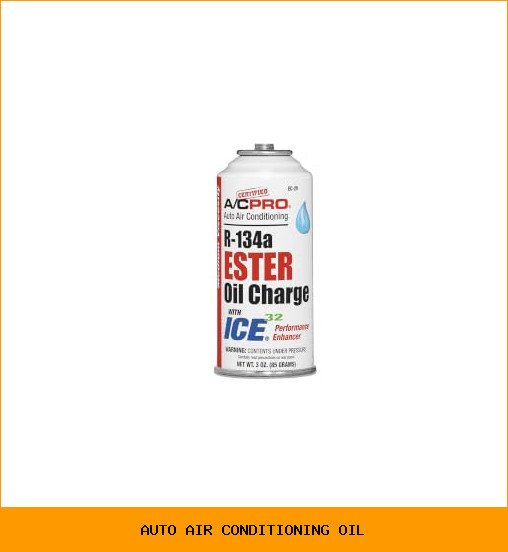
In this guide
Your car’s AC blows warm air on the first hot day of spring. You grab a recharge can from the auto parts store and hook it up. Pressure climbs, the clutch kicks in, cold air returns. A week later it’s warm again. So you add more. The compressor seizes two days later.
That sequence happens every summer, and the root cause isn’t always a leak. Often it’s the wrong auto air conditioning oil — or too much of it, or none at all. The oil in your AC system does more than lubricate. It carries heat away from the compressor, helps seals stay pliable, and affects how the refrigerant moves through the system. Pick the wrong type or amount and you can wreck a thousand-dollar compressor in minutes.

InterDynamics
Ester Charge Air Conditioner Oil, 3 Oz.
Compatibility: R-134A auto AC systems
Buy on AmazonThis article walks you through the three main oil types, the two myths that cause the most failures, and exactly how to choose and add oil without relying on guesswork. No fluff. No vague advice. Just the numbers and logic a technician would use.
One product that makes this job simpler is the InterDynamics Ester Charge Air Conditioner Oil, 3 Oz. It comes pre-measured for R-134A systems and meets OEM specifications. If you’re topping off or need ester oil for a retrofit, this is a clean option. You can find the InterDynamics Ester Charge on Amazon — check the current price there.
Myth #1: Any Oil Works in Any AC System
Walk into any parts store and you’ll see PAG oil, POE oil, and ester oil on the shelf. They all look the same in the bottle. They aren’t. Using the wrong one is like putting diesel in a gasoline car — it’ll run for a few minutes, then stop forever.
PAG (polyalkylene glycol) oil is what most R-134A systems came with from the factory. It comes in different viscosities: PAG 46 for smaller compressors (Toyota, Honda), PAG 100 for larger ones (Ford trucks, some GM vehicles), and PAG 150 for certain sanden compressors. Put PAG 100 in a system that needs PAG 46 and the oil won’t flow well at low temperatures. The compressor starves on cold starts.
POE (polyolester) oil is used with R-134A in some European cars and is standard for R-1234yf systems. POE absorbs water faster than any other AC oil. Leave a bottle open for an hour and it’s contaminated. That moisture turns into acid inside the system and eats the compressor from the inside.
Ester oil is the hybrid. It’s compatible with both PAG and POE systems, which makes it useful for retrofits or when you don’t know exactly what’s in there. The InterDynamics Ester Charge is a good example — it works in R-134A systems and blends with whatever oil is already present. But here’s the catch: ester oil isn’t a cure-all. It’s not as good at lubricating as the correct PAG viscosity, so don’t use it as a permanent replacement unless the manufacturer calls for it.
A lot of DIYers grab the cheapest bottle and dump it in. That’s how you turn a working system into a failed one. Read the compressor label or look up the OEM service spec. If you don’t know, ester oil gives you a safe middle ground, but it’s still a compromise.
Myth #2: Oil Never Wears Out or Needs Changing
I’ve talked to guys who’ve run the same R-12 system for thirty years. They swear the oil is fine. They’re lucky. Oil degrades, picks up moisture, and breaks down from heat cycles. A healthy compressor runs hot — 150 to 200 degrees on the discharge side. That heat cooks the oil over time, turning it into sludge.
When should you change the auto air conditioning oil? Every time you replace the compressor, obviously. But also after a major refrigerant leak, or if you open the system for any repair beyond a simple hose swap. The drier absorbs moisture, but the oil holds water too. If the system sat open for more than a few hours, flush it and start with fresh oil.
One real-world example: A 2026 Chevy Silverado comes in with a seized compressor. The owner hadn’t touched the AC in eight years. The old oil looked like dark maple syrup. I measured the amount drained — only two ounces came out. A system that size needs eight. The oil had leaked out over time, the compressor ran dry and locked up. Replacing the compressor, flushing the lines, and adding the correct PAG 100 oil fixed it.
Oil doesn’t evaporate like refrigerant, so if your system is low on oil, it’s either leaking out past a bad seal or it was never fully charged from the start. A slow oil leak leaves the compressor unlubricated far before the refrigerant pressure drops enough to trip the low-pressure switch.
How Much Oil Does Your AC System Actually Need?
There’s no universal number. A small Honda Civic firewall holds about 4 ounces total. A heavy-duty Ford truck with a rear evaporator can take 10 to 12 ounces. The exact spec is stamped on the compressor body or listed in the service manual.
Here’s the problem: when you replace a component, you don’t always know how much oil is still in the rest of the system. A common rule of thumb is to drain the old compressor and measure what comes out. Put that same amount into the new one. But if the old compressor was locked up and never drained, that number is meaningless.
I prefer a different approach. After replacing major parts, add the total system oil capacity minus what’s already in the new component. Most new compressors come with 4 to 6 ounces of oil already inside. Check the label. If the system takes 8 ounces total and the compressor ships with 5 ounces, you need to add 3 more ounces somewhere — usually into the suction line or condenser.
The InterDynamics Ester Charge comes in 3-ounce cans, which happens to be a common top-off volume. That’s not a coincidence. Many systems lose a small amount of oil over time, and a single can brings you back to spec. But always verify your specific vehicle’s capacity before adding anything.
Overfilling is worse than underfilling. Too much oil pools in the evaporator and condenser, reducing heat transfer and raising discharge pressure. The compressor works harder, cycles on high-pressure cutout, and eventually fails. Too little oil causes wear but at least you’ll hear a rattle before it locks up. Too much oil causes heat-related failure, which is silent until it’s too late.
PAG vs. POE vs. Ester Oil: A Real Comparison
| Oil Type | Common Refrigerants | Viscosity Grades | Water Absorption | Miscibility with R-134A | Best Use Case |
|---|---|---|---|---|---|
| PAG | R-134A | 46, 100, 150 | Medium | Excellent | OEM R-134A systems, most Asian & domestic cars |
| POE | R-134A, R-1234yf | 32, 68, 100 | High (very hygroscopic) | Excellent | European cars, new R-1234yf systems |
| Ester | R-12, R-134A, R-1234yf | N/A (single grade) | Low | Good | Retrofits, top-offs when unknown oil, emergency use |
A few notes on that table. PAG is not interchangeable between viscosities. If you need PAG 46, don’t buy PAG 100 because it’s what the store has. POE must be sealed tight — once the bottle is opened, use it within 24 hours or toss it. Ester oil is the most forgiving because it mixes with both, but it’s not ideal for long-term high-load systems like those in heavy trucks.
Five Real Questions People Ask About Auto AC Oil
Can I mix PAG and ester oil together?
Yes, but only in one direction. Ester oil is compatible with PAG residue, so adding ester to a system that still has some PAG won’t cause immediate problems. But adding PAG to a system full of ester can cause separation and poor lubrication. If you’re doing a full flush, stick with one type. If you’re just topping off and don’t know what’s inside, ester is the safer choice.
How do I check the oil level in my AC compressor?
You can’t without removing the compressor or draining it. There’s no dipstick. Some compressors have a sight glass, but that shows refrigerant bubbles, not oil level. The only reliable method is to recover the refrigerant, disconnect the compressor, pour out the oil, measure it, and add back the correct amount. That’s why knowing the system capacity ahead of time matters — it keeps you from guessing.
How often should I change the AC oil?
No routine interval exists because the system is sealed. Change it when you replace the compressor, drier, or any major component. Also change it if the system was empty for over a week or if you see black sludge in the old oil. Some shops recommend flushing every five years as preventive maintenance. It’s cheap insurance, especially in humid climates where moisture buildup happens faster.
What happens if I put too much auto air conditioning oil in?
Discharge pressure climbs. The compressor cycled on the high-pressure switch. Heat increases. The oil froths and stops lubricating properly. In extreme cases, the compressor locks up, or the high-pressure relief valve blows, venting all refrigerant. A few ounces over won’t kill it overnight, but running a system with 30% over capacity shortens compressor life noticeably.
Can I use the same oil that goes in a home refrigerator or window AC unit?
No. Home appliances use mineral oil (for R-12 or R-134A in older units) or POE oil for newer R-134A fridges. Automotive systems run at higher RPMs, hotter temperatures, and different lubrication demands. Mineral oil doesn’t mix with R-134A at all — it will pool in the evaporator and the compressor will get no oil. Stick with automotive-grade PAG, POE, or ester oil designed for mobile AC.
What to Do Next: A Short Action List
- Look up your vehicle’s AC oil capacity and type before touching anything. The sticker on the hood or the compressor label is your first source. If missing, call a dealer parts desk.
- Buy the correct viscosity PAG or the specific oil your compressor needs. Don’t trust a universal bottle that says it fits all — check the fine print.
- When replacing components, drain and measure the old oil if possible. That tells you how much to add back. If the old oil is black or gritty, flush the whole system.
- Consider a pre-measured can like the InterDynamics Ester Charge (3 oz) for top-offs when you don’t have a precise measurement. It’s better to use a known quantity than guess with a bulk bottle.
- Never open a bottle of POE oil until you’re ready to inject it. It absorbs moisture from the air in minutes. Cap it immediately after use.
- If your system keeps losing refrigerant, fix the leak first. Adding oil and refrigerant repeatedly just wastes money and risks overfilling.
- When in doubt, add slightly less oil than the maximum spec. You can always add a tiny bit more, but you can’t take it out without recovering and draining.
Getting the auto air conditioning oil right isn’t complicated. It just demands a little homework. The wrong oil, the wrong amount, or the wrong timing will cost you time and parts. Pick the right spec, add it carefully, and your AC will run cool for years.

Eng. Kamrul Islam
Founder and product researcher
Engineer with more than 10 years of experience researching and selling products on Amazon, including his own brand on Amazon Australia. He compares specs, standards, sellers and owner feedback.
All guides by Eng. Kamrul IslamMore in ac & compressor oils
All 193 guides Guide
Guide1997 Toyota Tacoma Air Conditioning Oil: Type and Amount Explained
You roll down the window on a July afternoon, turn the AC knob, and get warm air. Stale,…
 Capacity
2005 Honda Air Conditioning Oil Capacity: Accord, Civic, and How to Refill
You roll down the highway on a July afternoon and the air coming out of the vents is…
 Guide
GuideOil Trap Air Conditioning: What It Is, Why You Need It, and How to Install It
You have a central AC that runs fine for ten years. Then one summer the compressor starts rattling,…