 Eng. Kamrul Islam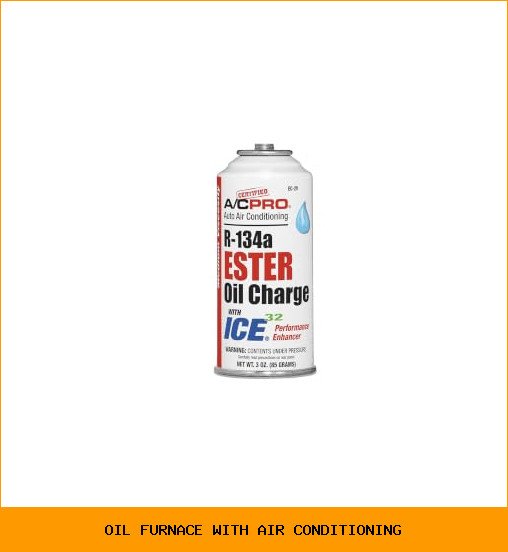
In this guide
You own a house with an oil furnace. It keeps you warm all winter, but summer means window units or portable ACs that work hard and look worse. You want central air conditioning tied into that existing ductwork. It’s a straightforward retrofit — if you do it right. Get it wrong, and you’ll face frozen coils, a dead compressor, or a furnace that trips safety limits. This article walks you through every important decision: which type of AC system fits an oil furnace, what refrigerant oil you need, how to size the equipment, and where most homeowners mess up.
By the end you’ll know exactly what to ask your HVAC contractor and whether the job makes sense for your home. No fluff, just the details that actually matter when you’re spending a few thousand dollars.
The InterDynamics Ester Charge Air Conditioner Oil (3 oz) is one small but critical piece of the puzzle. It’s an ester-based oil designed for R-134a automotive AC systems, but it also works great for flushing and recharging residential AC systems that use R-134a. If you’re retrofitting an older oil furnace that had a mineral-oil-based AC system, this ester oil helps maintain proper lubrication and prevents compressor failure. Keep a bottle on hand — you’ll use it during the initial charge or after a major repair. Check the current price on Amazon.
Why Oil Furnaces and Air Conditioning Don’t Always Play Nice
An oil furnace moves air with a blower rated for high temperature rise — often 70–100°F across the heat exchanger. That same blower, when used for cooling, needs to push air through an evaporator coil that drops the temperature 15–20°F. The problem: the blower might move too much air for the AC coil, causing condensate blow-off and poor dehumidification. Or it might move too little air, leading to low suction pressure and a frozen coil.
Most oil furnace blowers are belt-drive units. You can adjust the pulley size or change the motor speed tap to match the AC’s required airflow — typically 350–400 cubic feet per minute per ton of cooling. If your furnace has a variable-speed ECM motor, life gets easier. If it’s an older PSC motor, your contractor will need to measure static pressure and adjust accordingly. I’ve seen plenty of six-ton coils paired with a three-ton furnace blower that just couldn’t keep up. The result: a noisy, inefficient system that never cools right.
Ductwork matters just as much. Oil furnaces often use smaller ducts because they move air at higher temperatures. Adding AC means moving the same mass of air at lower temperature — which requires more volume and therefore larger duct cross-sections. If your existing supply and return ducts are undersized, you’ll hear whistling, high static pressure, and reduced efficiency. A Manual D calculation is cheap insurance.
Three Approaches to Adding AC to an Oil Furnace
You have three main routes, and each has trade-offs. Pick the one that matches your existing setup and budget.
1. Split System with a Cased Evaporator Coil
This is the most common retrofit. Your oil furnace stays in place. A contractor installs a cased evaporator coil on top of the furnace (or below it, in a downflow configuration). The coil houses the expansion device and refrigerant lines. The outdoor condenser unit sits on a pad outside. The indoor coil uses the furnace blower to move air across it.
Works best when you have at least 16 inches of clearance above the furnace for the coil case. If you’re tight on space, an uncased coil with a custom plenum can fit, but it costs more in labor. The biggest advantage: you reuse your existing furnace and ductwork. The biggest risk: if the coil is mismatched to the blower, you’ll fight airflow problems forever.
2. Packaged Unit (Gas/Electric or All-Electric)
A packaged unit contains both the compressor and the air handler in one outdoor box. It connects to your existing ductwork through a small penetration in the wall. You essentially abandon the oil furnace for cooling and use it only for heat. Some packaged units include electric heat strips, so you could theoretically replace the oil furnace entirely — but that’s a bigger project.
This approach works well if your oil furnace is old and nearing the end of its life. You get a fresh air handler with a properly matched blower and coil. Downside: you lose the ability to use the oil furnace’s blower for circulation, so you’re maintaining two separate systems. Higher upfront cost and more outdoor footprint.
3. Mini-Split Heat Pumps
Mini-splits don’t use your ductwork at all. An outdoor unit connects to one or more indoor heads mounted high on the wall. They handle cooling and provide backup heat (often more efficient than oil for mild winter days). If your oil furnace has ducts that are too small, or if you only need to cool a few rooms, a mini-split is a clean option.
But it won’t share the furnace blower, so you get no central distribution. You also need to run refrigerant lines and a condensate drain to each head. Works great for zoning, but it’s not a whole-house solution unless you install multiple heads or a ducted mini-split air handler.
Comparison of AC Options for Oil Furnace Homes
The table below lays out the key differences between the four common approaches. Use it to narrow down your choice before calling contractors.
| System Type | Installed Cost Range | SEER Rating Typical | Ductwork Required | Complexity | Best For |
|---|---|---|---|---|---|
| Split system, cased coil | $$ (mid-range) | 14–18 | Existing ductwork | Moderate – adjustments often needed | Homes with good duct clearance and a decent furnace blower |
| Split system, uncased coil | $$$ (higher) | 14–18 | Existing ductwork | High – custom sheet metal work | Tight plenum spaces where cased coil won’t fit |
| Packaged unit (gas/electric) | $$$ (higher) | 14–16 | Existing ductwork (wall penetration) | Moderate – new outdoor unit, abandon furnace blower | Old oil furnace nearing replacement; want separate cooling system |
| Mini-split / ductless | $$–$$$ (varies by zones) | 16–26 | None (line sets only) | Low–Moderate – drilling small holes | Homes with undersized ducts, or zone cooling only |
Critical Installation Details That Trio Up Homeowners
You’ve picked the system. Now avoid these common mistakes.
Refrigerant Oil Compatibility
Most AC systems built after 2026 use R-410A refrigerant with synthetic POE (polyolester) oil. Older systems used R-22 with mineral oil. If you’re retrofitting an old oil furnace that still has the original AC system, you might be mixing oil types. Never mix mineral and POE oils — they don’t blend and will sludge up the compressor. That’s where ester oil comes in. A small bottle of InterDynamics Ester Charge, 3 oz, can be added to the system as a flushing agent or to top off oil level when converting from one refrigerant to another. It’s compatible with both mineral and POE oils, making it a safe bridge for legacy equipment. Always check the manufacturer’s specs for your condenser.
Line Set Size and Length
Oil furnaces often sit in the middle of the house. The outdoor condenser needs a refrigerant line set running from the coil to the unit. The length and diameter matter. If the line set is too long or too small, pressure drop kills efficiency and can starve the compressor of oil. Most standard installations allow up to 50 feet of 3/8″ liquid line and 7/8″ suction line for a 3-ton system. Beyond that, you need a different line size and possibly an oil trap. Measure the distance before buying equipment.
Condensate Drain Slope
The evaporator coil inside the furnace plenum produces a lot of water — up to five gallons per hour in humid weather. That water must drain by gravity to a floor drain or outside. The drain line needs a minimum slope of 1/8 inch per foot. If it’s flat or dips, you’ll get standing water that grows mold and clogs the line. Install a safety float switch in the drain pan so the system shuts down if the drain backs up. A flooded basement is a bad day.
Electrical Requirements
Oil furnaces run on standard 120V circuits. An AC condenser needs a dedicated 240V circuit with a disconnect within sight of the unit. The amp draw depends on the unit size — a 3-ton unit typically pulls 18–25 amps at startup. Make sure your panel has space for a new 30-amp double-pole breaker. If you’re also adding electric heat strips to the furnace, that could require a separate sub-panel.
Frequently Asked Questions About Adding AC to Oil Furnaces
Can I add central air conditioning to my existing oil furnace without replacing the furnace?
Yes, in most cases you can. The furnace stays in place, and your HVAC technician installs an evaporator coil in the supply plenum above the furnace. The outdoor condenser connects with refrigerant lines. The furnace blower moves air across the coil during summer. The catch: your furnace blower must be able to move enough air (350–400 CFM per ton) against the static pressure of the coil. A professional blower performance test will tell you if it’s feasible. If the furnace is more than 20 years old, the heat exchanger might be too corroded to keep — in that case, consider replacing both at once.
What size air conditioner do I need for my oil furnace?
Size depends on your home’s cooling load, not your furnace size. You need a Manual J load calculation. A typical 2,000-square-foot home in a moderate climate needs about 3 tons of cooling. Oversizing is the most common mistake — a too-large unit short-cycles, fails to dehumidify, and wears out fast. Undersizing runs constantly and won’t cool on hot days. Trust the load calculation, not the rule-of-thumb of 1 ton per 500 square feet.
Do I need to replace the ductwork when adding AC to an oil furnace?
Not always, but frequently. Oil furnace ducts are often smaller because they move less air at higher temperature. AC requires larger ducts for the same mass of air at lower temperature. A duct sizing calculation (Manual D) will reveal if your existing ducts can handle the required airflow. Common signs of undersized ducts: high static pressure (over 0.5 inches water column), whistling vents, and rooms that never cool evenly. Adding a return duct or upsizing a trunk line is often worth the extra cost.
What type of refrigerant oil should I use in an oil furnace AC system?
That depends on the refrigerant. If you install a modern R-410A system, the compressor comes pre-charged with POE oil. Don’t add anything else unless you need to top off due to oil loss during a repair. If you’re reusing an old R-22 system that had mineral oil, you’ll need to flush the lines and switch to POE if you retrofit to a different refrigerant. Ester oil is a good intermediate option because it’s miscible with both mineral and POE. A small bottle of InterDynamics Ester Charge (3 oz) works for topping off or flushing legacy systems. Just verify the capacity — most residential condensers hold 10–30 ounces total.
How much does it cost to add central AC to an oil furnace?
Pricing varies widely by region, home size, and the system you choose. Expect to pay in the range of $4,000–$8,000 for a basic 3-ton split system with a cased coil, installed. If you need ductwork modifications, a new electrical circuit, or a packaged unit, the price goes up to $8,000–$12,000. Mini-splits start around $3,000 for a single zone and can reach $10,000 for a multi-zone system. Get at least three quotes and ask each contractor for a Manual J load calculation and a duct assessment. Don’t accept a bid based on square footage alone.
What You Should Do Next
Here are the concrete steps to take if you’re adding air conditioning to an oil furnace. Skim this list, then pick one action to start.
- Get a Manual J load calculation done on your home. This is the only reliable way to size the AC unit correctly. Most HVAC contractors charge $100–$300 for this.
- Ask your contractor to measure the static pressure of your existing ductwork. If it’s over 0.5 inches WC with the furnace blower on high, you’ll need duct modifications.
- Decide which system fits your situation: a split system with a cased coil if you have clearance and a decent blower; a packaged unit if your furnace is old; a mini-split if ducts are a lost cause.
- Check the clearance above your furnace. You need at least 16 inches for a cased coil and enough room to connect refrigerant lines and a condensate drain. Measure before you buy anything.
- Buy a 3 oz bottle of InterDynamics Ester Charge oil and keep it with your AC unit. It’s handy for flushes, top-offs, and retrofits. Check the current price on Amazon.
- Confirm your electrical panel has an open slot for a 30-amp double-pole breaker. If not, budget for a sub-panel upgrade.
- Schedule the installation during spring, not summer. Contractors are less busy, and you’ll have time to test the system before the real heat hits.

Eng. Kamrul Islam
Founder and product researcher
Engineer with more than 10 years of experience researching and selling products on Amazon, including his own brand on Amazon Australia. He compares specs, standards, sellers and owner feedback.
All guides by Eng. Kamrul IslamMore in ac & compressor oils
All 193 guidesThe 7 Best Air Conditioner Fan Oils of 2026
Selecting the right air conditioner fan oil is crucial for maintaining the efficiency and longevity of your air…
What To Put In Ac To Make It Smell Good?
Having a comfortable and pleasant environment in your home or office is essential, especially during hot summer months…
Can Ac Worsen Allergies?
As the weather heats up, many people turn to air conditioning as a way to stay cool and…