 Eng. Kamrul Islam
 In this guide
As the weather heats up, many people turn to air conditioning as a way to stay cool and comfortable. However, for those with allergies, the thought of turning on the AC might come with a sense of dread. Can AC worsen allergies? This is a question that many individuals grapple with, particularly those who are sensitive to allergens like dust, mold, and pollen. Understanding how air conditioning systems work, their maintenance, and their impact on indoor air quality can help you make informed decisions about your home environment.
Table of Contents
- How AC Affects Allergies
- Air Conditioning Maintenance
- Air Quality Factors
- Tips for Managing Allergies
- FAQs
How AC Affects Allergies
Air conditioning systems can have a dual effect on allergies. For some, the cool, filtered air can be a relief from external allergens. For others, poor maintenance and humidity control can lead to an increase in allergy symptoms. Here’s how air conditioning can impact your allergies:
Positive Effects of Air Conditioning
Air conditioning can help in several ways:
- Reduces Humidity: High humidity can lead to mold growth and dust mite proliferation, both of which can worsen allergies. AC units reduce indoor humidity levels, creating an environment less conducive to these allergens.
- Filters Airborne Particles: Modern air conditioning systems come equipped with filters that can capture dust, pet dander, pollen, and other allergens, improving overall air quality.
Negative Effects of Air Conditioning
On the flip side, there are several ways in which air conditioning can worsen allergies:
- Dirty Filters: If the AC filters are not regularly cleaned or replaced, they can become clogged with allergens, circulating them back into the living space.
- Mold Growth: Air conditioning systems can develop mold if not properly maintained, particularly in the drip pan and ducts. This can release spores into the air, aggravating allergy symptoms.
Air Conditioning Maintenance
Proper maintenance of your air conditioning system is essential for ensuring it works effectively and doesn’t contribute to allergy problems. Here are some key maintenance tips:
Regular Filter Replacement
As mentioned earlier, filters play a crucial role in trapping allergens. Make sure to:
- Choose high-efficiency filters (HEPA) that can capture smaller particles.
- Inspect filters monthly and replace them as needed.
Annual Professional Inspections
Having your AC system inspected by a professional at least once a year can help identify and resolve issues like mold growth and duct obstructions.
Duct Cleaning
Over time, dust and debris can accumulate in your air ducts. Professional duct cleaning can help eliminate these allergens and improve overall air quality.
Air Quality Factors
In addition to maintenance, several other factors can influence how air conditioning affects allergy sufferers:
Indoor vs. Outdoor Allergens
It’s essential to consider the source of allergens. While air conditioning can filter some outdoor allergens, indoor allergens can still thrive. Common indoor allergens include:
- Dust mites
- Mold spores
- Pet dander
- Cockroach droppings
Humidity Control
Maintaining a humidity level between 30-50% is ideal for reducing allergens. If your AC isn’t effectively controlling humidity, consider using a dehumidifier in conjunction with your cooling system.
Air Quality Monitors
Investing in an air quality monitor can help you keep track of indoor air quality and allergen levels. This can guide you in making necessary adjustments to your air conditioning or cleaning routines.
Tips for Managing Allergies
To further alleviate allergy symptoms, consider implementing these strategies in conjunction with your air conditioning system:
Use Air Purifiers
Air purifiers with HEPA filters can help capture additional allergens that your AC might miss. Consider placing them in bedrooms and common areas for the best results.
Keep Windows Closed
During allergy season, keep windows closed to prevent outdoor allergens from entering your home. Rely on your AC for ventilation instead.
Regular Cleaning
Implement a regular cleaning schedule that includes dusting surfaces, vacuuming carpets with a HEPA filter vacuum, and washing bedding in hot water to eliminate dust mites.
Monitor Pollen Counts
During high pollen seasons, consider using your air conditioning more frequently and limit outdoor activities when pollen counts are at their highest.
A: Poorly maintained air conditioning can circulate allergens and irritants, potentially leading to respiratory problems. Regular maintenance is crucial to avoid this.
A: If you notice an increase in allergy symptoms, such as sneezing, nasal congestion, or itchy eyes when the AC is running, it may be a sign that your system needs maintenance or that other factors are at play.
A: High-efficiency particulate air (HEPA) filters are the best choice for capturing allergens and improving indoor air quality.
FAQs
A: Yes, if the air conditioning system is not properly maintained, it can circulate dust, mold, and other allergens, potentially worsening allergy symptoms.
A: Use high-quality air filters, clean your ducts regularly, and consider supplementary air purifiers to enhance indoor air quality.
A: While it’s not strictly necessary, running the AC can help filter out allergens from the air and maintain a comfortable indoor environment.
Conclusion
In summary, air conditioning can both help and hinder those suffering from allergies. While it can reduce humidity and filter out allergens when properly maintained, neglecting maintenance can lead to mold growth and increased allergen circulation. It’s essential to keep your AC system in good working order through regular maintenance, the use of high-quality filters, and by implementing additional strategies to manage indoor air quality. Staying proactive about your air conditioning and overall home environment can provide relief for allergy sufferers, allowing you to enjoy the comforts of a cool home without the sneezes.
For more insights into maintaining your air conditioning system, check out our articles on The 7 Best Air Conditioner Oil Smell Products of 2026, The 7 Best Air Conditioning Lubricants of 2026, The 7 Best Air Conditioning Compressor Oil Capacities of 2026, The 7 Best Air Conditioning Compressor Leaking Oil of 2026, and The 7 Best Air Conditioner Oil Filters of 2026.

Eng. Kamrul Islam
Founder and product researcher
Engineer with more than 10 years of experience researching and selling products on Amazon, including his own brand on Amazon Australia. He compares specs, standards, sellers and owner feedback.
All guides by Eng. Kamrul IslamMore in ac & compressor oils
All 193 guidesWhy Air Conditioning Is Important
Air conditioning has become an essential component of modern living, offering comfort and improved air quality in homes,…
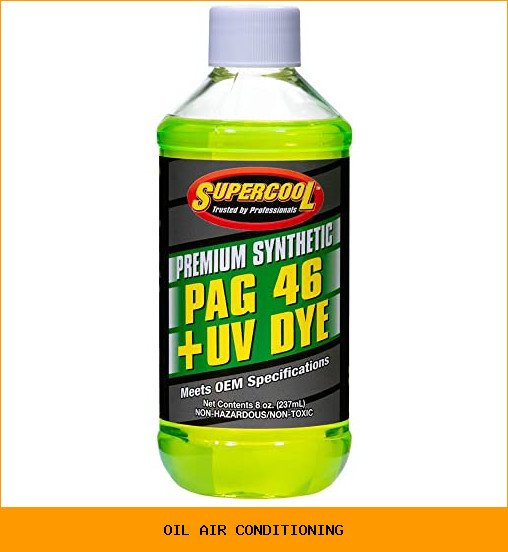 Guide
GuideOil Air Conditioning: What You Need to Know for Reliable Cooling
You expect your air conditioner to blast cold air on a 95-degree day. But when it sputters, blows…
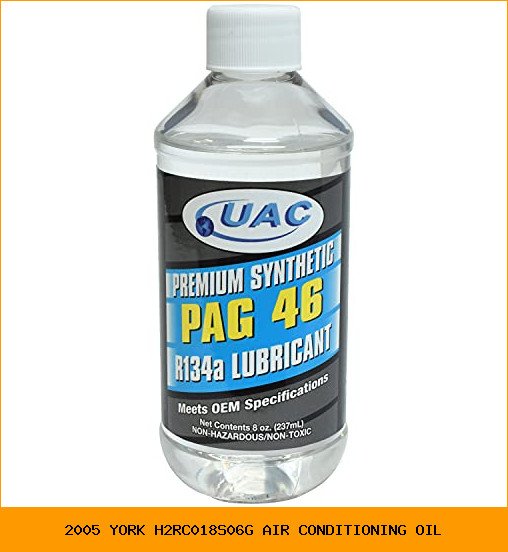 Guide
GuideThe Right Oil for Your 2005 York H2RC018S06G AC Unit (and Why It Matters)
You’ve got a 2005 York H2RC018S06G condenser sitting in your yard. Maybe you’re replacing a seized compressor, or…