 Eng. Kamrul Islam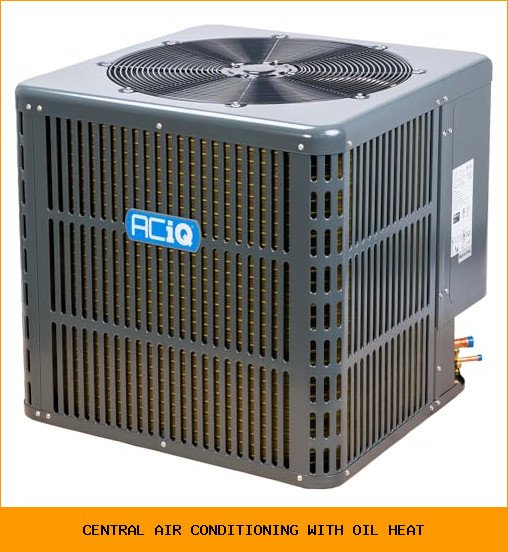
In this guide
- Why Your Oil-Fired Home Needs a Real Cooling…
- ACiQ 2.5 Ton 14.3 SEER2 Central Air…
- Understanding the Conversion from Oil Furnace…
- Cost Considerations for Installation and…
- Energy Efficiency: Oil Heat vs Heat Pumps
- Common Challenges and How to Solve Them
- Maintenance Tips for Central Air Systems…
- Benefits of Upgrading to Central Air…
- Five Real Questions Homeowners Ask About This…
- What to Do Next
Why Your Oil-Fired Home Needs a Real Cooling Plan
You live in a house with an oil furnace. Winters are warm. Summers? That’s where the trouble starts. Window units clog the windowsills, portable ACs hog floor space, and the upstairs rooms feel like a sauna by late afternoon. You’ve wondered about central air conditioning with oil heat — whether you can add a real AC system without ripping out your perfectly good oil boiler.
This article covers exactly that. You’ll walk away knowing how to pair a central AC unit with an existing oil furnace, what the installation looks like step by step, what it really costs (and how to avoid surprise bills), and how the energy efficiency compares to a heat pump. No fluff, no hype — just the nuts and bolts a homeowner needs to make a smart decision.

ACiQ
ACiQ 2.5 Ton 14.3 SEER2 Central Air Conditioner Unit - R32 AC Condenser | 230V Single Stage, Energy Efficient Air Conditioning, Outdoor Central HVAC Unit for Ducted AC Split Systems
CERTIFIED ACiQ SELLERS: Everything you need for reliable HVAC solutions!
Buy on AmazonI’ve been in the HVAC trade for over a decade, and I’ve done dozens of these retrofits. Some went smooth. Others taught me lessons the hard way. You’ll get those lessons here.
If your system needs a condenser upgrade, the ACiQ 2.5 Ton 14.3 SEER2 Central Air Conditioner Unit Condenser – R32 Single Stage (30000 BTU AC Only) is a solid match for many oil-heat conversions. It uses R32 refrigerant, which is more eco-friendly than R410A and performs well in moderate climates. The 14.3 SEER2 rating keeps electricity bills in check without jumping to a premium price tier.
Understanding the Conversion from Oil Furnace to Central Air
Adding central air to an oil-heated home isn’t like hooking up a window unit. But it’s also not a full gut job. Here’s what needs to happen.
Step 1: Ductwork Assessment
Most oil furnaces use a forced-air system with ducts. If you already have ducts, you’re halfway there. But those ducts were sized for heating — moving air at a lower volume and higher temperature. Cooling requires moving more air at a lower temperature. That means the ductwork might be undersized for AC.
A manual J load calculation tells you the required cooling capacity (in BTUs). Then a manual D duct design checks if your existing ductwork can handle that airflow. If the ducts are too small, you’ll get low airflow, frozen coils, and poor comfort. Retrofit options include adding a return duct, upsizing trunk lines, or installing a ductless mini-split for problem rooms.
Step 2: Coil Placement
The evaporator coil sits in the supply air plenum, right above the furnace. That’s where the indoor unit goes. But oil furnaces produce higher supply temperatures than gas or electric furnaces. The coil must be rated for that heat exposure — a standard AC coil can warp or leak if placed too close to the heat exchanger. Most manufacturers now offer ‘matched’ coils with heat-resistant construction. Always check the maximum allowable temperature rating on the coil.
Step 3: Condenser and Line Set
The outdoor condenser (the AC unit) connects to the indoor coil via copper refrigerant lines. The lines need to be sized correctly — typically 3/8-inch liquid line and 7/8-inch suction line for a 2-3 ton system. Buried linesets (underground runs to a detached garage or addition) require special insulation and trenching. Keep the lineset length under 50 feet for best efficiency, or you’ll need a line-set sizing adjustment.
Cost Considerations for Installation and Maintenance
Let’s talk numbers. A typical retrofit of central air conditioning with oil heat runs between $4,500 and $8,000, not including ductwork modifications. Here’s the breakdown.
| Component | Typical Cost | Notes |
|---|---|---|
| Condenser unit (2.5 ton) | $1,800 – $3,200 | 14 SEER2 like the ACiQ hits a good price/performance sweet spot |
| Evaporator coil | $400 – $800 | Must be compatible with oil furnace heat output |
| Lineset installation | $300 – $600 | Includes vacuuming and leak testing |
| Electrical (disconnect, wiring, breaker) | $400 – $1,000 | May need dedicated 30-40 amp circuit |
| Ductwork modifications | $500 – $2,500 | Only if ducts are undersized |
| Permits and inspection | $100 – $400 | Skip this and you risk insurance issues |
| Thermostat (cooling-capable) | $50 – $250 | Basic programmable works, wifi adds convenience |
Maintenance costs are lower than you’d think. An AC-only system needs annual coil cleaning and refrigerant checks (around $150 a year). The oil furnace itself still needs its own annual service — cleaning, nozzle replacement, and filter changes ($200–$350). Combined, you’re looking at about $350–$500 per year for both systems. That’s cheaper than replacing the whole thing with a heat pump every 10-12 years.
One hidden cost: condensate drainage. AC coils produce water. If your furnace is in a basement without a floor drain, you’ll need a condensate pump ($100–$200 installed). That pump can fail after 3-5 years, so factor in replacement.
Energy Efficiency: Oil Heat vs Heat Pumps
You’re not replacing the oil furnace — you’re adding AC. But people often ask if they should rip out the oil system entirely and go with a heat pump. Here’s the honest trade-off.
Oil heat is expensive per BTU. At current fuel prices (roughly $3.50–$4.50/gallon), heating with oil costs about $30 per million BTUs. A heat pump running on electricity (at $0.12/kWh) costs about $10–$15 per million BTUs — half the cost. But that’s only true down to about 30°F outside. Below that, heat pumps lose efficiency and need backup heat (electric strips or the old oil furnace).
So a hybrid setup — keep your oil furnace for deep winter, add central AC for summer — actually gives you the best of both worlds. You use the oil boiler only when it’s really cold, and you avoid the high upfront cost of a cold-climate heat pump (which runs $8,000–$12,000 installed).
Central air conditioning with oil heat isn’t the most energy-efficient combination overall. But for homes in cold climates (zones 5 and up), it’s often the most practical. The AC unit’s SEER2 rating directly impacts summer electric bills. A 14.3 SEER2 unit like the ACiQ condenser will save roughly $100–$200 per year compared to an old 10 SEER system.
Common Challenges and How to Solve Them
I’ve seen three issues come up again and again in these conversions.
1. The coil gets cooked. Some oil furnaces have supply plenum temperatures over 200°F — way above what a standard AC coil can take. Solution: use a coil with a thermal expansion valve (TXV) that shuts off refrigerant flow when the furnace runs, or install a heat-activated bypass damper that routes hot air away from the coil during heating.
2. Dirty AC coil from oil soot. Oil furnaces produce fine soot particles that can coat the AC evaporator coil, reducing efficiency and causing freeze-ups. Solution: install a high-MERV filter (MERV 11 or 13) on the return side, and change it every 60 days during the cooling season. Also, schedule a professional coil cleaning every 2-3 years.
3. Duct leakage. Heating ducts can have small leaks that don’t matter much for heating, but cooling losses from leaky ducts are more impactful because you’re paying for electricity, not cheap oil. Solution: seal all accessible duct joints with mastic (not duct tape) and add insulation to ductwork in unconditioned spaces (attics, crawlspaces).
Maintenance Tips for Central Air Systems Paired with Oil Heat
Your AC and oil furnace share the same ductwork and indoor coil. A maintenance routine that keeps both happy is different than maintaining either alone.
- Change the filter every month during cooling season. Two months during heating is fine, but summer dust and pollen load it faster. A clean filter protects both the AC coil and the furnace heat exchanger.
- Flush the condensate drain line each spring. Oil burner soot can mix with condensation and create sludge that blocks the drain. Use a cup of white vinegar down the drain port every April.
- Clean the outdoor condenser coils yearly. Oil-heated homes often have oil tanks nearby. If your condenser is close to the oil tank’s vent pipe, it will attract more dirt and fine oil mist. Spray it down with a garden hose (no pressure washer) in early May.
- Check the refrigerant charge every three years. Oil furnace vibrations can loosen fittings over time, causing slow refrigerant leaks. A small leak means the compressor works harder and wears out faster.
- Inspect the heat exchanger annually for cracks. A cracked heat exchanger can dump carbon monoxide into the airstream — and that same airstream blows across your AC coil into your home. Safety first.
One more thing: if you live in a heating-dominant climate, it’s easy to forget about the AC until the first hot day. Don’t turn it on without inspecting the coil first. A blocked coil can cause the compressor to cycle on its internal overload and fail.
Benefits of Upgrading to Central Air Conditioning with an Oil Furnace
Why bother with all this when a heat pump system exists? Here are the real-world advantages.
- Lower upfront cost than a full heat pump replacement. You keep the oil furnace, add a condenser and coil for $5,000–$7,000. A full cold-climate heat pump system with electric backup costs $10,000+.
- No need to run new gas lines or electricity upgrades. Most homes already have 200-amp service adequate for a 30-amp AC breaker. No fuel switching required.
- Reliable backup heat during extreme cold. When temps drop below 10°F, your oil furnace works better than any heat pump. You’ll never rely on emergency electric strips.
- Consistent comfort without window ACs. One central system cools the whole house evenly. No more tripping over extension cords or fighting with window units that leak warm air in winter.
- Strong resale value. Buyers in cold climates see central air as a major plus. A well-installed system with an oil backup can be a selling point, not a drawback.
Five Real Questions Homeowners Ask About This Setup
Can I connect central AC to any oil furnace?
Almost any forced-air oil furnace can accept an AC coil, provided the ductwork is sized correctly and the furnace has a compatible plenum height (at least 10 inches). Oil boilers with hydronic baseboard heat cannot use central AC — you’d need a separate air handler system.
Do I need to replace my oil furnace when adding AC?
Not unless it’s over 20 years old or has a cracked heat exchanger. The furnace and AC operate independently. The AC coil sits in the duct above the furnace, but the furnace doesn’t run when cooling. No compatibility issues.
What SEER rating should I choose for central air conditioning with oil heat?
Aim for 14–16 SEER2. Higher than that (18+) costs significantly more and doesn’t pay back quickly in colder climates where you run AC only 3-4 months a year. The ACiQ 14.3 SEER2 unit is right in that sweet spot.
Will my oil bills go up after installing central AC?
No — the oil furnace runs separately in winter only. The AC runs on electricity, not oil. Your electric bill will increase in summer by roughly $50–$100 per month depending on usage and local rates.
Can I use a smart thermostat to control both systems?
Yes, but you need one that supports two separate stages — one for heat (oil furnace) and one for cool (AC compressor). Models like the Ecobee Premium or Nest Learning Thermostat work well. You’ll also need a relay or zone board to prevent the furnace from running at the same time as the AC (that would damage the coil).
What to Do Next
- Get a Manual J load calculation from a local HVAC contractor before buying anything — not all homes need 2.5 tons of cooling.
- Have your ductwork inspected for size and leaks. Don’t assume it’s fine because the furnace works.
- Compare the ACiQ condenser with other 14 SEER2 units for warranty and availability — check the current price on Amazon.
- Schedule both the oil furnace and AC for preventive maintenance before summer peak season (May is best).
- Set your thermostat to switch between oil heat and AC automatically — use a 5°F deadband to avoid short cycling.
- Consider a surge protector for the AC condenser — lightning strikes near metal ductwork are more common than you think.
- Keep the oil tank at least 3 feet away from the outdoor condenser to prevent oil mist from coating the fins.
Central air conditioning with oil heat isn’t a compromise — it’s a practical solution for thousands of homes. Do the prep work, pick the right equipment, and you’ll get steady cooling without touching your fuel source. That’s a win in my book.

Eng. Kamrul Islam
Founder and product researcher
Engineer with more than 10 years of experience researching and selling products on Amazon, including his own brand on Amazon Australia. He compares specs, standards, sellers and owner feedback.
All guides by Eng. Kamrul IslamMore in ac & compressor oils
All 193 guides Guide
GuideForced Air Oil Furnace With a Central Air Conditioning Unit: What You Need to Know
You have a house with a forced air oil furnace that keeps you warm through the winter. Now…
The 7 Best Air Con O Ring Oils of 2026
In 2026, ensuring the efficiency and longevity of your air conditioning system hinges on the quality of the…
 Guide
GuideAuto Air Conditioning Oil Charge: Why It Matters and How to Do It Right
You bought a can of refrigerant at the auto parts store. You connected the hose, squeezed the trigger,…