 Eng. Kamrul Islam
 In this guide
When it comes to maintaining your vehicle’s air conditioning system, many drivers overlook the significance of oil. Just like the engine requires oil for smooth operation, the air conditioning system also relies on specific oils to function efficiently. This article delves into the importance of air conditioner oil for cars, the types available, and how to choose the right one for your vehicle’s needs.

TSI Supercool
TSI Supercool P46-8D PAG Oil 46 Viscosity with UV Dye 8oz 1-Pack
Meets OEM performance specifications
Buy on AmazonTable of Contents
- What is Air Conditioner Oil for Cars?
- Types of Air Conditioner Oil
- Importance of Air Conditioner Oil
- How to Choose the Right Oil
- Applying Air Conditioner Oil
- Common Issues and Solutions
- FAQ
What is Air Conditioner Oil for Cars?
Air conditioner oil for cars is specifically formulated lubricant designed for the air conditioning systems of vehicles. This oil serves multiple purposes, including reducing friction between moving parts, preventing wear and tear, and facilitating the efficient transfer of refrigerants throughout the system. The right oil helps maintain optimal performance and longevity of the air conditioning components.
Types of Air Conditioner Oil
Understanding the different types of air conditioner oil is crucial for ensuring compatibility with your car’s system. Here are the most common types:
1. PAG Oil (Polyalkylene Glycol)
PAG oils are widely used in modern automotive air conditioning systems. They are hygroscopic, meaning they absorb moisture, which helps to prevent corrosion. PAG oils are also known for their excellent lubricating properties and are typically available in different viscosities.
2. Ester Oil
Ester oils are synthetic oils that are often used in retrofitting older vehicles that originally used mineral oil. They are compatible with both R12 and R134a refrigerants, making them versatile for various systems.
3. Mineral Oil
Mineral oils are traditional lubricants used in older air conditioning systems. However, they are not compatible with modern refrigerants like R134a and should only be used in systems designed for R12 refrigerants.
Importance of Air Conditioner Oil
The role of air conditioner oil in your car goes beyond simple lubrication. Here are a few reasons why it is essential:
- Prevents Component Wear: Adequate lubrication helps reduce friction, preventing premature wear and tear on vital components like the compressor and evaporator.
- Enhances Efficiency: Proper oil ensures that your air conditioning system operates efficiently, which can lead to better fuel economy and performance.
- Corrosion Resistance: Some oils contain additives that prevent corrosion, which is crucial for the longevity of the air conditioning system.
How to Choose the Right Oil
Choosing the right air conditioner oil can be a daunting task. Here are some factors to consider:
1. Compatibility with Refrigerant
Ensure that the oil you choose is compatible with the refrigerant used in your vehicle’s air conditioning system. For example, PAG oil is primarily used with R134a refrigerant, while ester oil can work with both R12 and R134a.
2. Viscosity
Different oils come in various viscosities. Check your vehicle’s manual for the recommended viscosity level to ensure optimal performance.
3. Quality and Additives
Look for high-quality oils that contain additives for enhanced lubrication and corrosion resistance. These can contribute to better performance and system protection.
Applying Air Conditioner Oil
Applying air conditioner oil requires precision and care. Here’s a step-by-step guide to help you through the process:
1. Gather Necessary Tools
Before starting, you will need the following tools:
- Air conditioner oil
- Oil injector or vacuum pump
- Ratcheting wrench
- Safety goggles and gloves
2. Locate the Service Ports
Identify the high-pressure and low-pressure service ports on your vehicle’s air conditioning system. These are typically located on the compressor or connected hoses.
3. Evacuate the System
Before adding oil, it’s essential to evacuate any existing refrigerant from the system using a vacuum pump. This step is crucial to ensure that the new oil mixes well with the refrigerant.
4. Inject Oil
Using an oil injector, add the recommended amount of air conditioner oil into the system. Be sure to follow the manufacturer’s guidelines for the correct quantity.
5. Reassemble and Test System
Once the oil is added, reassemble any components you may have removed and recharge the system with refrigerant. Start the car and test the air conditioning to ensure it operates smoothly.
Common Issues and Solutions
Despite proper maintenance, air conditioning systems can encounter various issues. Here are some common problems and their solutions:
| Issue | Possible Cause | Solution |
|---|---|---|
| Weak Airflow | Clogged filters or low refrigerant | Replace filters and check refrigerant levels |
| Strange Noises | Worn bearings or low oil levels | Check oil levels and replace bearings if necessary |
| Warm Air Blowing | Refrigerant leak or compressor failure | Inspect for leaks and replace the compressor if needed |
A: It’s recommended to check your air conditioner oil at least once a year or during regular vehicle maintenance to ensure optimal performance.
A: No, using the wrong type of oil can cause damage. Always refer to your vehicle’s manual for the correct oil type and compatibility.
A: Without proper lubrication, the components in your air conditioning system can wear down quickly, leading to system failure and costly repairs.
FAQ
A: The best oil depends on your vehicle’s specific needs. You can refer to our guide on The 7 Best Air Conditioning Oils for Cars of 2026 for recommendations.
A: Signs of low oil include weak airflow, unusual noises, or the air conditioning system not cooling effectively. Regular checks can help you maintain proper oil levels.
Conclusion
Understanding the significance of air conditioner oil for your car is crucial for maintaining a functional and efficient air conditioning system. By choosing the right type of oil, applying it correctly, and performing regular maintenance checks, you can improve the longevity and performance of your vehicle’s AC system. For more detailed recommendations, check out our articles on The 7 Best Air Conditioning Oils of 2026, The 7 Best Air Conditioning Unit Oils of 2026, and The 7 Best Air Con PAG Oils of 2026.
Related pick: Check today's price on Amazon

Eng. Kamrul Islam
Founder and product researcher
Engineer with more than 10 years of experience researching and selling products on Amazon, including his own brand on Amazon Australia. He compares specs, standards, sellers and owner feedback.
All guides by Eng. Kamrul IslamMore in ac & compressor oils
All 193 guidesThe 7 Best Air Conditioning Oils of 2026
Choosing the right air conditioning oil can make a significant difference in the efficiency and longevity of your…
 Guide
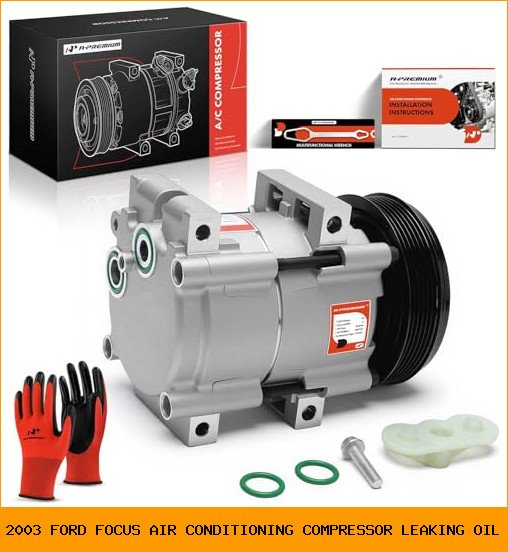
Guide2003 Ford Focus AC Compressor Oil Leak: Diagnosis, DIY Repair, and When to Replace
You hop in your 2003 Ford Focus on a July afternoon, crank the AC, and get warm air.…
 Guide
GuideSlomin’s Home Heating Oil & Air Conditioning Hicksville Reviews: A Homeowner’s Honest Guide
You wake up on a December morning in Hicksville, NY, and the thermostat reads 58°F. The furnace kicked…