 Eng. Kamrul Islam
 In this guide
Air conditioning systems are crucial in maintaining comfortable indoor environments, particularly in warmer climates. However, like any mechanical system, air conditioners require proper maintenance to function efficiently. One of the essential components that often goes unnoticed is air conditioning oil. Understanding what air conditioning oil is and its role in the operation of these systems can aid in effective maintenance and ensure optimal performance. In this article, we will explore the types of air conditioning oils, their functions, and best practices for their use.

TSI Supercool
TSI Supercool P46-8D PAG Oil 46 Viscosity with UV Dye 8oz 1-Pack
Meets OEM performance specifications
Buy on AmazonTable of Contents
- What is Air Conditioning Oil?
- Types of Air Conditioning Oils
- Function of Air Conditioning Oil
- How to Change Air Conditioning Oil
- Common Issues with Air Conditioning Oil
- FAQ
What is Air Conditioning Oil?
Air conditioning oil is a specialized lubricant designed for use in the compressors of air conditioning systems. It serves several critical functions, notably lubricating the moving parts of the compressor, reducing friction, and preventing wear and tear. Additionally, the oil aids in cooling the compressor by dissipating heat generated during operation. Without proper lubrication, the compressor can overheat and fail, leading to costly repairs or replacements.
Types of Air Conditioning Oils
There are several types of air conditioning oils, each suitable for different systems and applications. Understanding these types can help ensure you choose the right oil for your needs.
Mineral Oil
Mineral oil is derived from refining crude oil and has been used in air conditioning systems for many years. It is typically used in older systems that utilize R-12 refrigerants. While mineral oil is effective at lubricating the compressor, it has limitations regarding its compatibility with newer refrigerants and can break down more rapidly under high temperatures.
Ester Oil
Ester oil is a synthetic lubricant that has become increasingly popular due to its compatibility with both R-134a and R-410A refrigerants. It is derived from organic acids and alcohol and provides excellent lubrication properties. Ester oils are less likely to break down in high temperatures and can help improve the overall efficiency of the air conditioning system.
PAG Oil
PAG (Polyalkylene Glycol) oils are another type of synthetic lubricant commonly used in modern air conditioning systems. They offer superior lubrication properties and are highly compatible with many refrigerants, including R-134a and R-410A. PAG oils are hygroscopic, which means they can absorb moisture from the environment. This property can be both an advantage and a disadvantage; while it helps to prevent moisture buildup in the system, it can also lead to issues if the oil absorbs too much moisture.
Function of Air Conditioning Oil
Air conditioning oil plays several vital roles in the operation of an AC system:
- Lubrication: The primary function of air conditioning oil is to lubricate the moving parts within the compressor. This lubrication reduces friction and wear, allowing the compressor to operate smoothly and efficiently.
- Heat Dissipation: The oil helps to dissipate heat generated by the compressor during operation. By absorbing and transferring heat away from critical components, the oil helps prevent overheating, which can lead to system failure.
- Sealing: Oil can help improve the sealing properties of the compressor, reducing the likelihood of refrigerant leaks. A well-sealed system maintains pressure and efficiency, which is crucial for optimal performance.
- Contaminant Removal: The oil can assist in carrying away contaminants that may accumulate within the system, helping to maintain cleanliness and efficiency.
How to Change Air Conditioning Oil
Changing air conditioning oil is a crucial part of maintaining your system. Here’s a step-by-step guide to help you through the process:
- Gather Supplies: You’ll need the right type of air conditioning oil, an oil pump, a recovery machine, and safety equipment such as gloves and goggles.
- Recover Refrigerant: Before changing the oil, it’s essential to recover any refrigerant in the system using a recovery machine. This step is crucial for safety and environmental reasons.
- Remove Old Oil: Use the oil pump to remove the old oil from the compressor. Ensure you collect it in a suitable container for proper disposal.
- Check for Contaminants: Inspect the old oil for signs of contamination, such as discoloration or debris. If you notice any issues, it may indicate a problem within the system that needs addressing.
- Add New Oil: Carefully add the new oil to the compressor, following the manufacturer’s guidelines for oil type and amount.
- Reconnect Refrigerant: Once the oil change is complete, reconnect the refrigerant lines and recharge the system with the appropriate refrigerant.
- Test the System: Turn on the AC system and monitor its performance. Check for unusual noises, leaks, or other issues.
Common Issues with Air Conditioning Oil
Several common issues can arise concerning air conditioning oil, and being aware of them can help prevent costly repairs:
- Contamination: Oil can become contaminated with debris, moisture, or refrigerant over time. Contaminated oil can lead to poor lubrication and reduced system efficiency.
- Over or Underfilling: Adding too much or too little oil can adversely affect the compressor’s performance. Always follow manufacturer recommendations for oil levels.
- Oil Breakdown: Oil can break down over time, particularly if subjected to high temperatures. Regularly checking and changing the oil can help prevent this issue.
- Incompatibility: Using the wrong type of oil for your system can lead to significant problems. Ensure that the oil you use is compatible with your refrigerant and system type.
FAQ
A: It is typically recommended to change air conditioning oil every 1 to 2 years, but always consult your system’s manual for specific guidelines.
A: No, it is essential to use the type of oil recommended by your air conditioning system’s manufacturer to avoid damage and ensure efficient operation.
A: Signs can include unusual noises from the compressor, reduced cooling efficiency, or visible refrigerant leaks.
A: While some individuals may feel comfortable performing oil changes, it’s often best to hire a professional to ensure the job is done correctly and safely.
In conclusion, understanding what air conditioning oil is, its various types, and its crucial functions can significantly enhance your ability to maintain your AC system. By selecting the right oil, performing regular maintenance, and being aware of common issues, you can ensure your air conditioning system operates efficiently for years to come. For those seeking further information, consider exploring resources such as The 7 Best Air Conditioning Compressor Oil Changes of 2026, The 7 Best Air Conditioning Unit Oils of 2026, The 7 Best Air Conditioning Refrigerant Oils of 2026, The 7 Best Essential Oils on HVAC Filters of 2026, and The 7 Best Air Conditioning Ester Oils of 2026 for further insights on maintaining your system effectively.
Related pick: Check today's price on Amazon

Eng. Kamrul Islam
Founder and product researcher
Engineer with more than 10 years of experience researching and selling products on Amazon, including his own brand on Amazon Australia. He compares specs, standards, sellers and owner feedback.
All guides by Eng. Kamrul IslamMore in ac & compressor oils
All 193 guides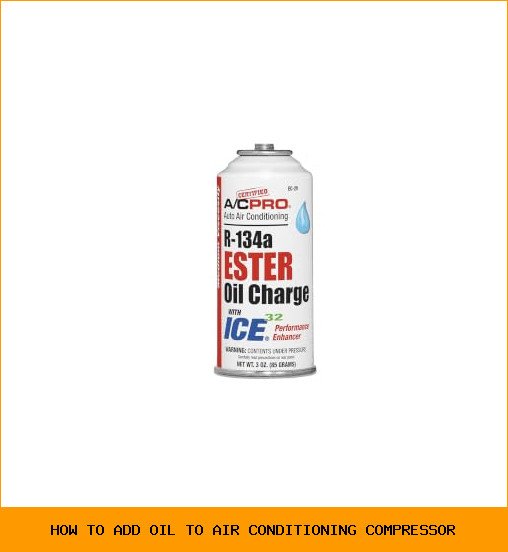 How-to
How to Add Oil to an Air Conditioning Compressor Without Making a Mess
It starts the same way every summer: a faint whiff of warm air from the vents, then nothing…
The 7 Best Air Conditioning System Oils of 2026
Discovering the best air conditioning system oil is crucial for maintaining the efficiency and longevity of your AC…
 Guide
GuideTea Tree Oil in Air Conditioning: Does It Actually Improve Indoor Air Quality?
The Smell Coming From Your AC Vents Is Trying to Tell You Something You walk into a room…