 Eng. Kamrul Islam
 In this guide
When servicing or replacing an air conditioning compressor, one of the most critical questions that arise is, how much AC compressor oil do I need? Getting the right amount of oil is essential for maintaining the efficiency and longevity of the compressor and the entire air conditioning system. Whether you’re a professional technician or a DIY enthusiast, understanding the appropriate oil volume and type can prevent costly damage and ensure optimal performance.
Table of Contents
- Understanding AC Compressor Oil
- How Much Oil is Needed for AC Compressors?
- Measuring and Adding AC Compressor Oil
- Types of Oils for AC Compressors
- Common Mistakes and Warnings
- Frequently Asked Questions
- Conclusion
Understanding AC Compressor Oil
AC compressor oil is specifically formulated lubricant designed to keep the internal components of the compressor well-lubricated, reduce friction, and prevent wear and tear. Unlike typical automotive oils, AC compressor oils must be compatible with the refrigerant and the system’s internal materials.
Role of Compressor Oil in AC Systems
The compressor is the heart of the air conditioning system. It compresses refrigerant and circulates it throughout the system. Without proper lubrication, the compressor’s moving parts can seize or wear down prematurely. The oil circulates with the refrigerant, protecting not only the compressor but also other system components such as the expansion valve and evaporator coil.
Why the Amount of Oil Matters
Too little oil means insufficient lubrication, causing overheating and component damage. Too much oil can reduce refrigerant carrying capacity, lower system efficiency, and cause oil to accumulate in unwanted places, potentially clogging the system. Therefore, the right oil volume is critical.
How Much Oil is Needed for AC Compressors?
The oil volume needed depends on several factors, including the compressor model, system size, and type of refrigerant. Most automotive and residential AC compressors require between 80 to 250 milliliters of oil, but this can vary widely.
Typical Oil Volume Ranges by Compressor Type
| Compressor Type | Common Oil Volume Needed |
|---|---|
| Automotive AC Compressors | 80 – 150 mL (approximately 2.7 – 5 oz) |
| Residential HVAC Compressors | 100 – 250 mL (approximately 3.4 – 8.5 oz) |
| Commercial HVAC Compressors | 250+ mL (varies widely, sometimes up to 1 quart or more) |
It’s important to note that some compressors come pre-filled with oil, and the amount required may differ if you are topping off versus fully filling a new or rebuilt compressor.
Refrigerant-Oil Compatibility and Impact on Volume
Different refrigerants require different types of oils, which affect the oil volume and behavior. For example, mineral oils are typically used with older refrigerants like R-22, while synthetic polyolester (POE) oils are used with modern refrigerants like R-134a or R-1234yf. POE oils are more miscible with refrigerants, requiring precise oil volumes to maintain system balance.
Measuring and Adding AC Compressor Oil
How to Measure the Correct Amount of Oil
Accurately measuring the oil is crucial. Use a clean, calibrated measuring cup or syringe designed for small volumes. Avoid guessing or eyeballing the amount, as precision matters for system health.
Steps to Add Oil to the Compressor
- Consult Manufacturer Guidelines: Locate oil capacity information on the compressor label or service manual.
- Drain Old Oil: Before adding new oil, drain any existing oil completely to avoid overfilling.
- Measure the Required Oil: Use appropriate tools to measure the exact amount recommended.
- Add Oil to the Compressor: Pour the oil slowly into the compressor’s oil port or suction service valve, depending on the model.
- Rotate the Compressor: If the compressor is new or rebuilt, rotate the shaft manually to distribute the oil evenly.
- Recheck Oil Level: Some systems allow oil level checks through sight glasses or dipsticks—verify correct levels if applicable.
Types of Oils for AC Compressors
Choosing the right oil type is just as important as getting the quantity right. Here are the common types used in AC compressor systems:
Mineral Oil
Used primarily with older refrigerants like R-12 and R-22. Mineral oil is less miscible with refrigerants and tends to settle in the compressor, so proper oil volume calculations are critical.
Polyalkylene Glycol (PAG) Oil
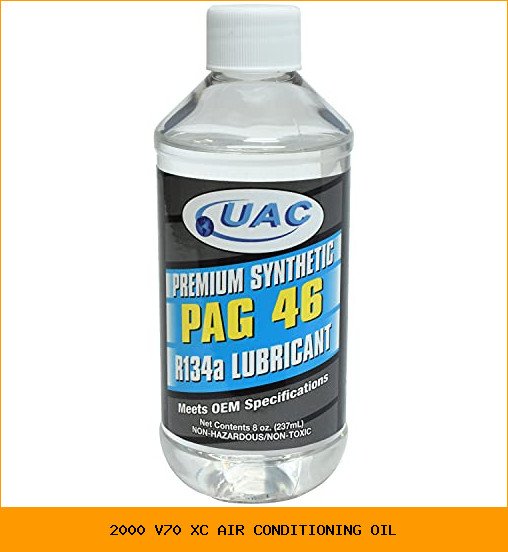
Commonly used in automotive AC systems with refrigerants such as R-134a. PAG oils are hygroscopic (absorb moisture) and require careful handling and sealing.
Polyolester (POE) Oil
Compatible with newer refrigerants like R-134a, R-1234yf, and R-410A. POE oils are fully synthetic, highly miscible with refrigerants, and provide excellent lubrication and thermal stability.
Other Specialty Oils
Some commercial systems or unique compressors may require specific synthetic oils or additives. Always refer to manufacturer recommendations.
Common Mistakes and Warnings
Overfilling the Compressor with Oil
Adding too much oil can cause refrigerant flow restrictions and poor heat exchange. Excess oil can accumulate in evaporators and expansion valves, reducing efficiency and potentially damaging components.
Underfilling the Compressor
Insufficient oil volume leads to inadequate lubrication, increasing friction and wear, which can cause premature compressor failure.
Mixing Different Types of Oils
Mixing oils such as PAG and POE can lead to chemical incompatibility, sludge formation, and system malfunction.
Neglecting Regular Oil Checks
Regular maintenance and oil level checks help identify leaks or consumption issues early, preventing costly repairs.
Frequently Asked Questions
A: Check your compressor’s service manual or label for oil capacity. If unsure, you may need to drain the old oil and measure it or consult a professional technician.
A: It’s not recommended. Automotive oils like PAG are formulated for specific refrigerants and conditions. Residential systems commonly use POE oils compatible with their refrigerants.
A: Overfilling can reduce refrigerant effectiveness, cause poor cooling, and potentially damage components by oil trapping and clogging.
A: Yes, it is best practice to replace all oil to ensure compatibility and prevent contamination, especially if switching oil types.
A: Trusted online resources and specialty oil providers offer high-quality oils. For example, you can find options at The 7 Best Air Conditioner Bearing Oil of 2026 or The 7 Best Air Conditioner Fan Motor Oils of 2026.
Conclusion
Determining how much AC compressor oil you need is a vital step in maintaining or repairing your air conditioning system. The right oil volume ensures proper lubrication, system efficiency, and longevity while preventing damage caused by overfilling or underfilling. Always consult your compressor’s manufacturer specifications and use the correct type of oil compatible with your refrigerant.
Along with knowing the correct amount of oil, understanding how to measure, add, and maintain the oil level will help your AC system run smoothly. Avoid common pitfalls such as mixing oil types or neglecting oil changes. Regular maintenance, including checking for leaks and topping up oil when necessary, will extend the life of your compressor and overall system.
For further guidance on related products and maintenance oils, consider exploring The 7 Best Air Con Vacuum Pump Oils of 2026, The 7 Best Air Conditioner Oil Smell Products of 2026, and The 7 Best Essential Oils on HVAC Filters of 2026 to optimize your air conditioning system’s performance and longevity.

Eng. Kamrul Islam
Founder and product researcher
Engineer with more than 10 years of experience researching and selling products on Amazon, including his own brand on Amazon Australia. He compares specs, standards, sellers and owner feedback.
All guides by Eng. Kamrul IslamMore in ac & compressor oils
All 193 guidesWhat Is Air Conditioning Oil
Air conditioning systems are crucial in maintaining comfortable indoor environments, particularly in warmer climates. However, like any mechanical…
 Guide
Guide2000 V70 XC Air Conditioning Oil: What Every Owner Should Know
Your A/C Started Blowing Warm Air — Now What? You’re cruising down the highway in your 2000 Volvo…
Air Conditioning Oils: Comprehensive Buying Guide for Optimal Performance
“`html Understanding Air Conditioning Oils Air conditioning oils, also known as refrigerant oils, are essential for the optimal…