 Eng. Kamrul Islam
 In this guide
Air conditioning systems are a cornerstone of modern comfort, whether in homes, offices, or vehicles. A common question that often arises among users and enthusiasts is: does air conditioning run on oil? While the immediate thought might be that air conditioners run solely on electricity or refrigerants, oil plays a crucial role behind the scenes in many AC systems. Understanding this relationship is vital for proper maintenance, troubleshooting, and optimizing the performance of your air conditioning system.
Table of Contents
- How Air Conditioning Systems Work
- Role of Oil in Air Conditioning
- Types of Oils Used in Air Conditioning
- Oil and Refrigerant Compatibility
- Common Issues Related to Air Conditioning Oil
- Maintenance Tips for Air Conditioning Oil
- FAQ About Air Conditioning and Oil
- Conclusion
How Air Conditioning Systems Work
To grasp why oil is important to air conditioning systems, it’s helpful to understand the basics of how these systems function. An air conditioner works by transferring heat from inside a space to outside, cooling the indoor environment.
Components of an Air Conditioning System
The main components include the compressor, condenser, expansion valve, and evaporator. The compressor plays a critical role—it compresses the refrigerant gas, increasing its pressure and temperature, which facilitates heat dissipation in the condenser.
The Refrigeration Cycle
The refrigerant cycles through these components, changing states from gas to liquid and back, absorbing and releasing heat along the way. This cycle requires the compressor to operate smoothly and with minimal friction, which is where oil comes into play.
Role of Oil in Air Conditioning
Contrary to some misconceptions, air conditioners do not “run on oil” like a car engine runs on gasoline or diesel. Instead, oil in air conditioning systems acts as a lubricant for the compressor’s moving parts, preventing wear and overheating.
Lubrication of Compressor Components
The compressor contains pistons, bearings, and other moving components that require continuous lubrication to operate efficiently. Without oil, these components would quickly degrade due to friction and heat.
Oil Circulation Within the System
Oil is mixed with the refrigerant and circulates through the system, coating the compressor parts. Proper oil circulation ensures that lubrication reaches every critical area inside the compressor.
Types of Oils Used in Air Conditioning
There are several types of oils designed specifically for air conditioning systems, each compatible with certain refrigerants and compressor types.
Mineral Oil
Mineral oil was traditionally used in older air conditioning systems, especially those running on refrigerants like R-12. It provides adequate lubrication but is less compatible with newer refrigerants.
Polyalkylene Glycol (PAG) Oil
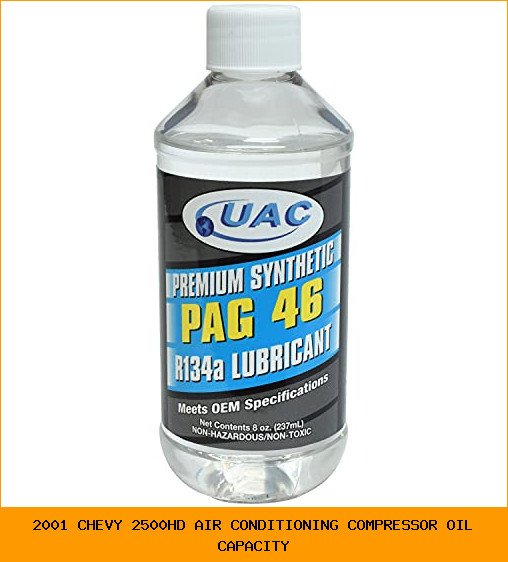
PAG oil is a synthetic lubricant widely used in automotive air conditioning systems with refrigerant R-134a. It offers excellent lubrication properties and thermal stability but is hygroscopic, meaning it absorbs moisture easily.
Polyol Ester (POE) Oil
POE oil is a synthetic oil compatible with newer refrigerants such as R-134a and R-1234yf. It has superior chemical stability and lubricating properties and is compatible with both automotive and residential AC systems.
Alkylbenzene (AB) Oil
AB oil is less common but used in some specialized AC systems. It is known for good thermal stability and compatibility with certain refrigerants.
| Oil Type | Common Use | Compatible Refrigerants | Key Features |
|---|---|---|---|
| Mineral Oil | Older AC systems | R-12, R-22 | Good lubrication; less compatible with new refrigerants |
| PAG Oil | Automotive AC | R-134a | High lubricity; moisture-absorbing |
| POE Oil | Modern automotive and residential AC | R-134a, R-1234yf | Excellent chemical stability; wide compatibility |
| Alkylbenzene Oil | Specialized AC systems | R-12, R-22 (sometimes) | Good thermal stability |
Oil and Refrigerant Compatibility
Compatibility between oil and refrigerant is critical for the efficient functioning of air conditioning systems. Mismatched oil and refrigerant can lead to poor lubrication, system contamination, and compressor damage.
Why Compatibility Matters
Refrigerants and oils circulate together in the system. If the oil does not mix well with the refrigerant, it can separate and cause lubrication issues. This can result in compressor overheating and premature failure.
Matching Oil to Refrigerant Types
- R-12 Refrigerant: Mineral oil is typically used.
- R-134a Refrigerant: PAG or POE oils are preferred.
- R-1234yf Refrigerant: POE oils are most compatible.
Common Issues Related to Air Conditioning Oil
Problems with oil in air conditioning systems can manifest in several ways, often leading to system inefficiency or failure.
Oil Contamination
Contaminants such as moisture, dirt, or other chemicals can enter the oil, degrading its lubricating properties and causing damage to the compressor.
Insufficient Oil Levels
Low oil levels can result from leaks or improper servicing, which can increase friction and lead to compressor wear or seizure.
Incorrect Oil Type
Using incompatible oil can cause poor lubrication, acid formation, and corrosion within the system.
Maintenance Tips for Air Conditioning Oil
Maintaining the oil in your air conditioning system is crucial for longevity and performance.
Regular Oil Checks
Have your AC system inspected regularly by a professional to check oil levels and quality.
Use Recommended Oils
Refer to your system’s manual or manufacturer recommendations to select the correct oil type.
Handle Oil Changes Carefully
When servicing your AC, ensure oil is replaced or topped up correctly to avoid contamination or overfilling.
FAQ About Air Conditioning and Oil
A: No, air conditioning systems do not run on oil as fuel. Oil is used only for lubricating internal compressor components.
A: No, you must use oil types compatible with your refrigerant and compressor. Using the wrong oil can damage your system.
A: Oil levels are typically checked during regular AC maintenance, often annually or as recommended by the manufacturer.
A: Insufficient oil can cause increased friction, overheating, and eventual compressor failure.
A: For high-quality oils suitable for various AC systems, check out resources like The 7 Best Air Conditioning 134a Oils of 2026 or The 7 Best Air Conditioner Oils for Your Car in 2026.
Conclusion
In summary, air conditioning systems do not run on oil as a fuel, but oil plays a vital role in ensuring their smooth operation. The oil lubricates the compressor and other moving parts, preventing friction and heat damage. Selecting the right oil type and maintaining proper oil levels are essential practices for the longevity and efficiency of your air conditioner. Always refer to manufacturer guidelines and consider consulting professionals when dealing with AC oil issues.
For those looking to explore the best oils for their systems, excellent guides and product reviews are available, such as The 7 Best Air Con Oil R134a of 2026, The 7 Best Air X Oils of 2026, and The 7 Best Air Conditioning Ester Oils of 2026. These resources can help you make informed choices to keep your air conditioning system running efficiently for years to come.
Related pick: Check today's price on Amazon

Eng. Kamrul Islam
Founder and product researcher
Engineer with more than 10 years of experience researching and selling products on Amazon, including his own brand on Amazon Australia. He compares specs, standards, sellers and owner feedback.
All guides by Eng. Kamrul IslamMore in ac & compressor oils
All 193 guidesCan I Put Air Freshener In My Ac Unit?
Air conditioning units are essential for maintaining comfort during hot weather, but they can sometimes emit unpleasant odors.…
 Capacity
2001 Chevy 2500HD A/C Compressor Oil Capacity – The Definitive Guide
Your 2001 Chevy 2500HD’s A/C starts blowing warm air halfway through summer. You grab a recharge kit from…
Smell Oil When Ac Is On
Experiencing a strange smell of oil when your air conditioning (AC) is on can be alarming. It’s not…