 Eng. Kamrul Islam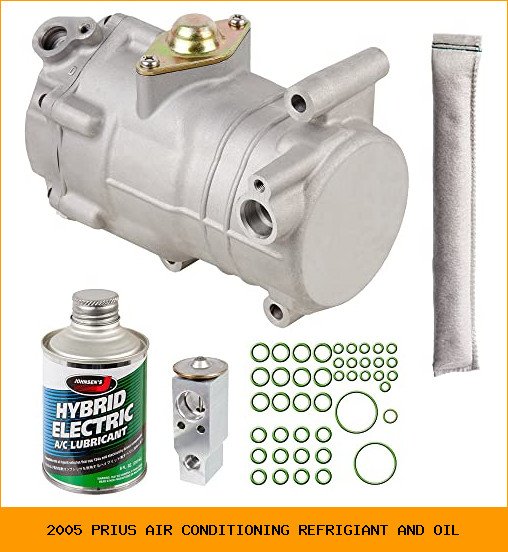
In this guide
- AC Compressor & A/C Kit For Toyota Prius…
- What Refrigerant and Oil Does a 2005 Prius AC…
- How to Recharge the AC System Yourself
- Common AC Failures in the 2005 Prius
- Handling Refrigerant Legally and Safely
- Simple Habits to Keep Your Prius AC Running
- Frequently Asked Questions
- What to Remember About Your 2005 Prius AC
It’s the first real heat wave of summer. You press the A/C button in your 2005 Prius. Warm air. The system hasn’t worked properly for months. You wonder: is it just low refrigerant, or something worse?
This guide gives you the exact specs for refrigerant and oil your car needs. You’ll learn how to recharge the system yourself, what tools are required, and how to spot common failures. No vague advice — just numbers, steps, and real-world experience.

BUYAUTOPARTS!
AC Compressor & A/C Kit For Toyota Prius 2004 2005 2006 2007 2008 2009 - BuyAutoParts 60-81536RK NEW
Engineered for superior durability, backed by industry-leading 2-year, unlimited-mileage warranty
Buy on AmazonIf your compressor has failed entirely, a complete replacement kit like the BuyAutoParts 60-81536RK (fits 2005 Prius) includes the compressor, clutch, drier filter, expansion valve, oil, and O-rings. It’s a one-box solution that saves you from hunting down parts separately.
What Refrigerant and Oil Does a 2005 Prius AC System Need?
The 2005 Prius uses R134a refrigerant. The factory charge is 21 to 23 ounces (600 to 650 grams). Do not guess — the system is small and overcharging kills performance.
The oil is where most DIY mistakes happen. Toyota specifies ND-11 oil, a specific PAG oil. ND-11 is a 46 viscosity PAG, but not all PAG 46 oils are the same. Using the wrong oil (such as PAG 100 or mineral oil) can destroy the compressor within months. Stick to ND-11 or a Toyota-approved equivalent. The total oil capacity of the system is about 4.5 ounces (130 ml). When replacing the compressor, drain the old oil and measure it — add new oil equal to what came out, plus a small amount for the dryer and condenser if you replace those too.
How to Recharge the AC System Yourself
Recharging sounds easy, but mess it up and you’ll waste refrigerant or damage parts. Here’s the correct process.
Tools and Supplies Needed
- Manifold gauge set (R134a compatible)
- Vacuum pump (1.5 CFM or larger)
- Can tap or refrigerant hose with self-sealing connector
- Incandescent work light (for leak checking)
- R134a refrigerant (20 oz can — you’ll need two to cover the charge)
- ND-11 oil if topping up (rarely needed unless you replaced a component)
Finding the Service Ports
The low-side service port sits on the line near the passenger-side firewall. It has a black or blue plastic cap. The high-side port is on the receiver/drier near the front of the engine bay, with a red cap. Remove caps, wipe dirt off. Do not open the valves until hoses are connected.
Critical step: before adding refrigerant, you must evacuate the system with a vacuum pump for at least 30 minutes. This removes moisture and air. If you skip this, moisture freezes inside the expansion valve and blocks flow. Many quick-recharge cans skip this — don’t use them.
After evacuation, close the vacuum valve and turn off the pump. The gauges should hold vacuum for 10 minutes. If they drop, you have a leak that needs fixing first. Then connect the refrigerant can, purge the hose, and open the low-side valve. Start the engine, turn A/C to max, and add refrigerant while watching the low-side pressure. Target 25-35 psi on the low side at 85-90°F ambient. Do not exceed the high-side pressure of 200-250 psi.
Common AC Failures in the 2005 Prius
Low refrigerant is just one possibility. Here are the frequent problems.
- Compressor clutch failure: The clutch gap grows over time. You’ll hear a click but the compressor won’t engage. Gap should be 0.016-0.024 inches. Adjust with shims or replace the clutch assembly.
- Blend door actuator: If you get cold air only on one side or hear clicking behind the dash, the blend door actuator motor has failed. It’s a plastic gear that strips. Replacement requires pulling the center console — doable but tedious.
- Condenser leaks: Stone impacts or corrosion create tiny pinholes. Often found with a UV dye test. Replacement involves removing the front bumper cover.
- Expansion valve blockage: If the system freezes and then stops cooling, the valve may be stuck or clogged with debris from a dead compressor.
Not all cooling problems are refrigerant-related. Check the cabin air filter first — a clogged filter reduces airflow and makes the system seem weak. Replace it annually.
Handling Refrigerant Legally and Safely
R134a is not ozone-depleting like R12, but it’s still a greenhouse gas. Venting it to the atmosphere is illegal under the Clean Air Act. The EPA fines for intentional release can reach tens of thousands of dollars. Always recover refrigerant using a certified recovery machine, or take the car to a shop that has one. Most auto parts stores will loan a recovery machine with a deposit. Do not use drop-in replacements like R152a or propane blends — they are not approved for your Prius and can cause fires.
Dispose of old refrigerant properly. Many municipalities have hazardous waste collection events. Used oil from the compressor should be collected and recycled, not poured down drains.
| Method | Cost Range | Skill Level | Tools Required | Time | Best For |
|---|---|---|---|---|---|
| DIY Recharge (minor leak) | $50-$150 | Intermediate | Gauge set, vacuum pump, refrigerant, UV dye | 1-2 hours | Yearly top-off with no system failure |
| Professional Recharge + Leak Test | $150-$350 | None | Shop has all equipment | 1 hour | Diagnosing leaks or if you lack tools |
| Full Compressor & Component Replacement | $600-$1,200 | Advanced | Standard mechanic tools, vacuum pump, gauges, spring compressor | 4-8 hours | Compressor seized or internal failure |
Simple Habits to Keep Your Prius AC Running
- Run the A/C at least once a week year-round, even in winter. This circulates oil and keeps seals from drying out.
- Replace the cabin air filter every 12 months or 12,000 miles. A dirty filter reduces airflow and makes the system work harder.
- Clean the condenser fins at the front of the car with a gentle water spray. Bugs and debris block airflow and raise high-side pressure.
- Check the drive belt tension every oil change. A slipping belt reduces compressor speed and cooling.
- Use a UV dye when recharging to make future leak detection easier. Dye can be added with the refrigerant.
Frequently Asked Questions
What type of refrigerant does a 2005 Prius use?
R134a only. The system holds 21-23 ounces. Do not use R12, R152a, or hydrocarbon blends. They can damage seals and the compressor.
How much oil does the AC compressor need?
The total system oil capacity is about 4.5 ounces of ND-11 PAG oil. When replacing the compressor, drain the old compressor and measure the oil removed. Add the same amount of new oil to the new compressor. If you also replace the dryer or condenser, add 0.5-1 ounce extra for those components.
Can I use a universal refrigerant like R152a?
No. R152a is flammable and not approved for automotive AC systems. It also has different pressure characteristics that can overwork the compressor. Stick with R134a.
Why does my AC blow cold then warm?
This usually indicates low refrigerant. The pressure drops enough to freeze the expansion valve. As the ice melts, cooling returns. Recharge with the correct amount. If problem persists after a proper recharge, the expansion valve itself may be faulty.
Is it safe to recharge without vacuuming?
No. Air and moisture will enter the system. Moisture combines with refrigerant to form acids that eat the compressor from inside. Always evacuate for at least 30 minutes before adding refrigerant. If you don’t own a vacuum pump, take the car to a shop.
What to Remember About Your 2005 Prius AC
- Use R134a refrigerant only, and weigh the charge — never rely on pressure alone.
- ND-11 oil is mandatory. Using generic PAG oil is a gamble.
- Always evacuate the system before recharging. No shortcuts.
- Check the cabin filter and condenser airflow before assuming a refrigerant problem.
- If the compressor fails, a complete kit like the BuyAutoParts 60-81536RK includes everything you need.
- Venting refrigerant is illegal and damages the environment. Recover properly.
- Run the AC weekly to keep seals lubricated and prevent leaks.

Eng. Kamrul Islam
Founder and product researcher
Engineer with more than 10 years of experience researching and selling products on Amazon, including his own brand on Amazon Australia. He compares specs, standards, sellers and owner feedback.
All guides by Eng. Kamrul IslamMore in ac & compressor oils
All 193 guides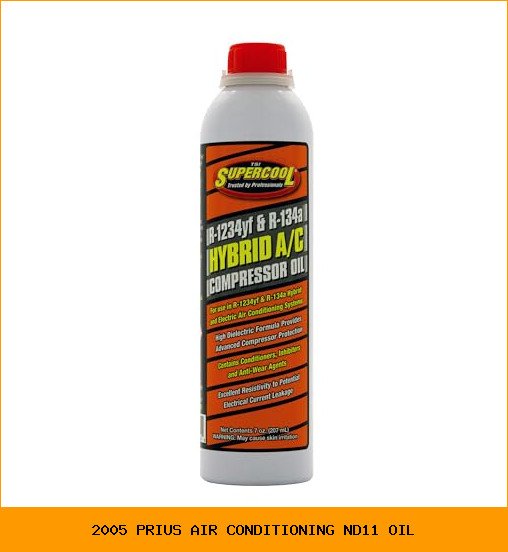 How-to
How to Diagnose and Recharge the Air Conditioning on a 2005 Prius (ND11 Oil Guide)
Your 2005 Prius AC blows warm air on the hottest day. You have heard it is a hybrid…
 Guide
GuideAir Conditioning Oil Testing Service: When to DIY, When to Call a Pro
You’re driving home on a hot afternoon. The AC starts blowing warm air. You figure it’s low on…
Air Conditioning Oil Replacement
When it comes to maintaining your air conditioning system, many homeowners overlook the importance of air conditioning oil…