 Eng. Kamrul Islam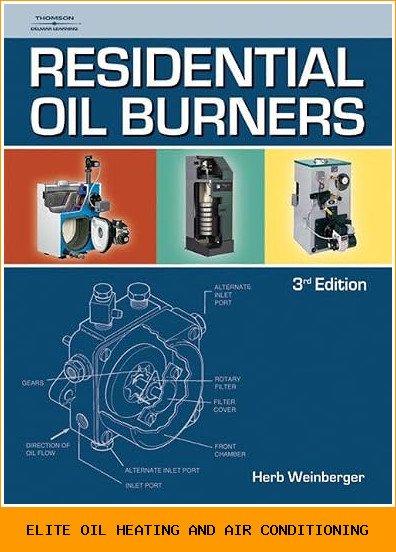
In this guide
Your furnace kicks on at 5 AM on a January morning. Three minutes later, the house smells like diesel, and the burner won’t restart. You reset the button once, twice. Nothing. That call to a service tech costs you $150 just to show up, and the fix is something simple you could have handled yourself if you knew what to look for.
This guide walks you through the real-world maintenance and diagnostics for elite oil heating and air conditioning systems. You will learn how to clean a nozzle, check electrodes, bleed air from the fuel line, and spot the three mistakes that kill oil burners early. No theory. No fluff. Just the steps a competent homeowner can do with basic tools.

I have been working on oil burners for over a decade. I have seen every variation of clogged filter, dirty photocell, and misaligned electrode. The advice here comes from what actually works in the field.
If you want a deeper reference on burner theory, ignition, and nozzle sizing, pick up a copy of Residential Oil Burners by Cengage Learning (ASIN 1418073970). It’s a used book in good condition, but the fundamentals haven’t changed. The chapter on electrode gap alone will save you hours of head-scratching. Keep it in your tool box.
How an Oil Burner Actually Works (The Parts That Matter)
An oil burner has four main parts that break down. Learn these, and you can diagnose 90% of no-heat calls.
The nozzle. It atomizes the fuel into a fine mist. Nozzles wear out after one heating season. The hole gets wider, the spray pattern distorts, and you get soot. Replace it every fall. Cost: about $8.
The electrodes. They create a spark to ignite the mist. The gap matters: 1/8 inch for most burners. Too wide, no spark. Too narrow, the flame doesn’t catch reliably.
The fuel pump. It pulls oil from the tank and delivers it at 100 to 150 psi. The pump has a filter screen inside that clogs with sludge. Clean it annually.
The cad cell (photocell). It senses the flame. If it goes bad, the burner runs for a few seconds and then locks out. A dirty cad cell is the number one cause of nuisance lockouts.
Everything else — the transformer, the motor, the blower wheel — is less likely to fail in the first ten years.
A Step-by-Step Annual Tune-Up You Can Do Yourself
Do this once a year, in September or October before the cold hits. It takes about 90 minutes.
- Kill the power. Flip the service switch or pull the breaker. Never work on a live burner.
- Remove the burner housing. Usually four screws or a latch. Set it aside.
- Pull the old nozzle. Use a 7/16-inch wrench on the adapter. Turn the pump off first by closing the oil valve at the tank.
- Install the new nozzle. Same size and angle as the old one. Do not overtighten — hand-tight plus a quarter turn. Pro tip: dab a little oil on the threads to prevent galling.
- Clean or replace the fuel filter. It sits between the tank and the burner. Some have a replaceable cartridge, some have a reusable screen. If it’s a screen, wash it with kerosene and blow it dry.
- Check and adjust the electrode gap. The tip of each electrode should be 1/8 inch from the nozzle face and 1/8 inch apart from each other. Use a no. 7 drill bit as a feeler gauge. Bend the electrodes gently with pliers — never force them.
- Vacuum the combustion chamber. Use a shop vac with a narrow crevice tool. Remove any soot, carbon flakes, or debris.
- Clean the cad cell. Unscrew it from the mounting bracket. Wipe the glass lens with a clean, dry cloth. If it’s cracked, replace it.
- Restore power and bleed the line. Open the oil valve. Push the reset button. The burner will run for a few seconds and lock out. Now crack the bleeder fitting on the pump half a turn. Air will hiss out, then oil will spurt. Tighten the bleeder. Push reset again. The burner should fire and run steady.
- Reinstall the housing. Check for oil leaks at the pump and nozzle adapter.
If the burner still doesn’t stay lit after bleeding, check the cad cell wiring or replace the cell entirely. They cost $20 and fail without warning.
When the System Won’t Fire: A Troubleshooting Flow
Your burner cycles on but locks out after 15 to 30 seconds. The reset button is lit red. Here is the order to check things.
| Condition | Most Likely Cause | What to Do |
|---|---|---|
| No spark at all | Bad transformer or broken high-tension wire | Replace transformer (test with a spark gap tool). Look for cracked insulation on wires. |
| Spark present but no flame | Clogged nozzle, out of fuel, air in line, or shutoff valve closed | Check fuel level. Open valve. Replace nozzle. Bleed line. |
| Flame starts but goes out after a few seconds | Dirty or failed cad cell | Clean lens. If it still locks out, replace cell. |
| Motor runs, pump hums, flame is lazy and yellow | Nozzle worn or wrong spray angle, insufficient combustion air | Replace nozzle with correct spec. Adjust air shutter on burner. |
| Burner cycles on and off rapidly | Dirty flame sensor on newer intermittent-ignition controls | Clean with fine sandpaper. Replace if damaged. |
One thing people miss: the oil line from the tank can develop a slow air leak. The rubber gasket at the tank fitting dries out over time. Replace that gasket every three years. A leaking gasket causes intermittent lockouts that seem random.
The Three Mistakes That Kill Oil Burners Early
Mistake 1: Not Replacing the Nozzle Every Year
A worn nozzle dribbles fuel instead of spraying a fine mist. That causes incomplete combustion, soot buildup in the heat exchanger, and eventually a plugged chimney. The extra soot also fouls the cad cell and the electrodes. I have seen a single skipped year cause enough soot to require a professional cleaning. New nozzles are cheap. Skip this step, and you pay ten times more later.
Mistake 2: Forgetting to Bleed the Line After Changing the Filter
Every time you open the fuel system, air gets in. If you do not bleed it, the pump will starve and the burner will lock out repeatedly. People panic and call for emergency service. All you need is a 5/16-inch wrench and a jar to catch the oil. Crack the bleeder until oil runs solid. Tighten it. That is it.
Mistake 3: Running the Burner with a Blocked Air Intake
Oil burners need a specific air-to-fuel ratio. If the air shutter or blower wheel is caked with dust and lint, the flame goes yellow and produces carbon monoxide. Some technicians adjust the air by eye, but you can buy a cheap draft gauge for $30 and set the over-fire draft to -0.02 inches of water column. Or just clean the blower wheel every year with a stiff brush. A dirty blower is the number one cause of soot that I see in the field.
Frequently Asked Questions
How often should I replace the fuel filter in my oil furnace?
Replace the cartridge filter every heating season. If you have a spin-on type, change it in the fall. If you have a reusable screen filter, clean it with kerosene and inspect for holes. A clogged filter starves the pump and burns it out. Do not go more than 12 months.
Why does my oil burner keep locking out after a power outage?
Power outages shake up sediment in the tank. That sediment flows into the line and clogs the nozzle or the pump filter. Also, air can get pulled into the line when the pump restarts. Bleed the line and replace the nozzle. If it still locks out, clean the pump filter screen. That usually fixes it.
Can I use kerosene instead of heating oil in my elite oil heating and air conditioning system?
Kerosene burns hotter and has a lower viscosity. Some burners can handle a kerosene blend (usually 50/50) for colder weather, but straight kerosene will cause higher nozzle temperatures and may damage the pump seals over time. Stick with No. 2 heating oil. If you need to use kerosene for emergency, do not exceed 20% blend, and tell your technician so they can adjust the air setting.
What does the reset button on my oil burner actually do?
Pushing the reset button restarts the ignition sequence after a safety lockout. But it does not fix the problem — it just gives the burner another chance. If it locks out again, you have a real issue. Pushing the reset more than twice without fixing the cause can flood the combustion chamber with raw oil, creating a fire hazard. Always diagnose before resetting.
Do I need to clean the chimney flue every year?
If your burner is running clean (no smoke at startup, no dark exhaust), you can go two years between chimney cleanings. But have it inspected every fall — a partially blocked flue kills by carbon monoxide poisoning. A simple visual check with a mirror and flashlight works. Look for fallen bricks, bird nests, or heavy soot buildup.
What to Take Away from This Guide
- Replace the nozzle every fall without fail. Write the date on the box.
- Bleed the fuel line after any filter change or tank refill. It is a two-minute job.
- Clean the cad cell lens whenever the burner locks out for no apparent reason.
- Keep a spare cad cell and a nozzle of your burner’s exact size in your parts drawer.
- Check your oil tank gasket and the flexible line for cracks every spring.
- Do not run the system with a yellow flame — that means soot is accumulating.
- Buy the Residential Oil Burners book if you want to understand ignition timing and pump pressures in more depth. It pays for itself the first time you avoid a service call.

Eng. Kamrul Islam
Founder and product researcher
Engineer with more than 10 years of experience researching and selling products on Amazon, including his own brand on Amazon Australia. He compares specs, standards, sellers and owner feedback.
All guides by Eng. Kamrul IslamMore in ac & compressor oils
All 193 guides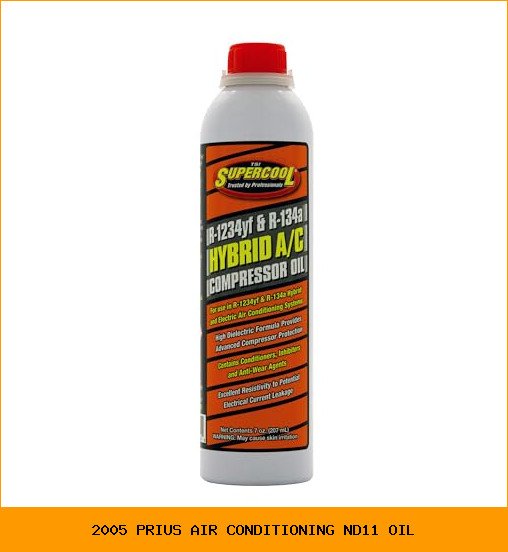 How-to
How to Diagnose and Recharge the Air Conditioning on a 2005 Prius (ND11 Oil Guide)
Your 2005 Prius AC blows warm air on the hottest day. You have heard it is a hybrid…
Is Ac Harmful For Bronchitis?
As temperatures rise, many people rely on air conditioning (AC) systems to maintain a comfortable indoor environment. However,…
 Guide
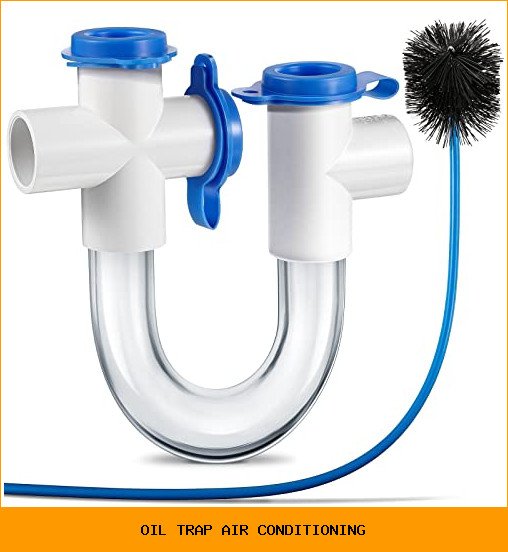
GuideOil Trap Air Conditioning: What It Is, Why You Need It, and How to Install It
You have a central AC that runs fine for ten years. Then one summer the compressor starts rattling,…