 Eng. Kamrul Islam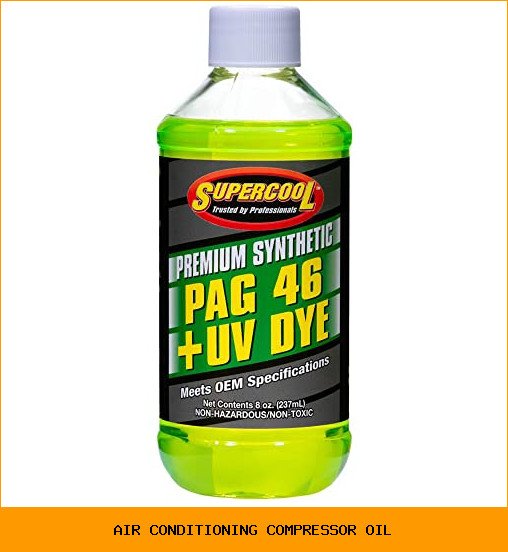
In this guide
Your car’s A/C starts blowing warm air on a 95-degree afternoon. You grab a can of refrigerant from the auto parts store, hook up the hose, and nothing changes. The compressor still clatters. The air still feels like a hair dryer.
Nine times out of ten, the problem isn’t just low refrigerant. It’s the wrong oil, or not enough oil, or oil that broke down months ago. Compressor oil is the blood of your A/C system. Pick the wrong one or add it wrong, and you’ll be replacing a compressor inside a year.

TSI Supercool
TSI Supercool P46-8D PAG Oil 46 Viscosity with UV Dye 8oz 1-Pack
Meets OEM performance specifications
Buy on AmazonThis article walks you through what air conditioning compressor oil actually does, how to select the right viscosity, how to add oil correctly, and what mistakes to avoid. No fluff. Just what works.
A quick note on the oil most DIYers overlook: The TSI Supercool P46-8D PAG Oil 46 Viscosity with UV Dye 8oz 1-Pack checks the boxes for most R-134a systems. It meets OEM specs, includes anti-wear agents, and has a built-in UV dye for leak detection. That last part saves you from hunting leaks with a black light later. It’s not the cheapest, but it’s a solid choice for a system that’s still on original parts.
Why Compressor Oil Matters More Than You Think
Compressor oil does three jobs: lubricates moving parts, carries heat away from the compressor, and helps the expansion valve seal. If the oil degrades or the wrong type is used, wear accelerates fast. Metal shavings clog the orifice tube. The compressor seizes.
Most modern cars use PAG (polyalkylene glycol) oil. It absorbs water easily — that’s its biggest weakness. Moisture turns PAG oil acidic, which eats aluminum components from the inside. That’s why any open container of PAG oil should be sealed tight. Left open overnight, it’s garbage.
Older R-12 systems use mineral oil. Hybrid and electric vehicles often use POE (polyol ester) oil. Mixing types causes chemical reactions that form sludge. Sludge kills compressors in weeks, not years.
One more thing: oil doesn’t just stay in the compressor. It circulates through the entire system. Every component holds a small amount. When you replace a compressor, you need to flush old oil out, not just dump fresh oil into the new compressor and call it done.
Choosing the Right Viscosity: PAG 46 vs. PAG 100 vs. PAG 150
Viscosity matters. Too thin, and oil doesn’t stay on bearings. Too thick, and it creates drag, overheating the compressor.
Most R-134a systems use PAG 46. That’s the 46 in the TSI Supercool product name. Some larger compressors (trucks, big SUVs) spec PAG 100. A few older systems running R-12 might take PAG 150, but that’s rare.
How do you know? Check the sticker under the hood. It usually lists the specific oil type and capacity. No sticker? Look up the OEM service manual for your vehicle. Guessing is expensive.
Multi-viscosity oils exist (like engine oils), but they aren’t common in A/C systems. Stick to single-viscosity PAG unless you have a clear reason not to.
| Viscosity | Typical System | Common Vehicle Examples |
|---|---|---|
| PAG 46 | Most R-134a passenger cars | Honda Civic, Toyota Camry, Ford F-150 (gas) |
| PAG 100 | Large displacement compressors | Chevy Suburban, Ford E-Series vans |
| PAG 150 | Very old R-12 systems | Pre-1993 cars (if retrofitted) |
| POE | Hybrid / EV compressors | Toyota Prius, Chevy Volt |
Notice the UV dye column is missing from the table. Not all oils have it. If you buy oil without dye, you’ll need to add dye separately or use a UV leak detection kit later. The TSI Supercool product includes dye, which saves a step.
How to Add Compressor Oil the Right Way (Step by Step)
Adding oil sounds simple. Pour it in, right? Wrong. The oil has to go to the right component in the right amount.
- Determine how much oil you need. Check the sticker or manual. Typical systems hold 6 to 10 ounces total. When replacing a compressor, the new unit often comes with 5–6 ounces pre-charged. You’ll adjust based on components replaced.
- Flash the system if you replaced major parts. If the compressor failed, flush the condenser and evaporator with an approved A/C flush solvent. Old oil contains debris. Skip flushing, and that debris destroys the new compressor.
- Add oil to the compressor directly. For a new compressor, rotate the clutch hub while pouring oil into the suction port. This works the oil into the scroll or piston area. Don’t just dump it in the high-side port — it’ll pool in the condenser.
- Add oil to the accumulator or receiver-drier if needed. Some systems require oil added to the accumulator. Check your manual. Overfilling the accumulator risks flooding the compressor with liquid oil, which can lock it up.
- Use a calibrated measuring cup or syringe. Don’t guess. A typical 8-ounce bottle like the TSI Supercool is easy to measure with a graduated syringe (available at most parts stores). Pouring straight from the bottle into a port invites overfill.
- Rotate the compressor by hand ten times before installing belts or turning the engine. This distributes oil inside the compressor and prevents a dry start.
Pro tip: If you’re only topping off oil after a leak repair, measure how much oil came out during recovery. Replace exactly that amount. Too much oil reduces cooling capacity. Too little burns up the compressor.
Three Common Mistakes That Kill Compressors
I’ve seen these mistakes in DIY garages and even some pro shops. Avoid them.
Mistake 1: Using the wrong oil type. Putting mineral oil in an R-134a system designed for PAG will thicken the oil, block the orifice tube, and starve the compressor of lubrication. The system will run for maybe 20 minutes before the high-pressure cutoff kicks in. Replace the orifice tube and flush everything if this happens.
Mistake 2: Not vacuuming the system before charging. Moisture is the enemy. Even trace amounts of water in PAG oil form acids. Vacuum the system to 500 microns or lower for at least 30 minutes. If the vacuum holds steady, you’re dry. If it rises, you have a leak or residual moisture. Don’t charge until the vacuum holds.
Mistake 3: Overfilling or underfilling oil. Too much oil settles in the condenser, reducing heat transfer. The high-side pressure climbs, compressor runs hotter, and failure follows. Too little oil and metal-to-metal contact starts immediately. A good rule: when in doubt, underfill by half an ounce rather than overfill. You can add more later if needed.
Frequently Asked Questions
Can I mix different brands of PAG oil?
Yes, as long as the viscosity and type match. PAG 46 from one brand mixed with another brand’s PAG 46 won’t cause problems. But avoid mixing PAG with POE or mineral oil. If you don’t know what’s already in the system, flush it out and start fresh.
How often should I change air conditioning compressor oil?
Routine oil changes are not needed. The oil lasts the life of the system unless a component fails or a leak develops. Change oil only when replacing parts (compressor, condenser, evaporator) or after a major contamination event like a compressor failure.
Does UV dye in the oil damage the system?
No. Modern UV dyes are designed for A/C systems. They’re chemically stable at operating temperatures. The dye circulates with the oil and won’t clog filters or orifices in normal concentrations. The TSI Supercool oil has the dye pre-mixed, so you don’t need to guess the right amount.
Why does my new compressor come with oil already in it?
Manufacturers pre-charge new compressors with a specific oil amount to prevent dry starts during installation. That oil is often a dedicated break-in blend with extra anti-wear additives. You still need to add or subtract oil based on what else you replaced. Read the instructions that come with the compressor — don’t assume the pre-charge is the total system capacity.
What happens if I add oil through the high-pressure port?
It pools in the condenser or receiver-drier instead of reaching the compressor moving parts. The compressor stays dry until enough oil circulates back, which may never happen if the system is static. Always add through the low-side (suction) port or directly into the compressor inlet.
What You Should Do Right Now
- Check your vehicle’s under-hood sticker for the specified oil type and capacity before buying anything.
- Buy oil with UV dye built in — it saves a separate leak detection step and costs roughly the same.
- Use a graduated syringe or measuring cup. Eyeballing oil amounts is the fastest way to ruin a compressor.
- Flush the system if you’re replacing a failed compressor. Old debris is a guaranteed second failure.
- Vacuum the system to 500 microns or lower for 30 minutes before charging. Skip this, and moisture will eat your new oil.
- Rotate the compressor by hand ten times after adding oil to prevent a dry start.
- Write down the oil type and amount you used — next time you service the system, you’ll thank yourself.

Eng. Kamrul Islam
Founder and product researcher
Engineer with more than 10 years of experience researching and selling products on Amazon, including his own brand on Amazon Australia. He compares specs, standards, sellers and owner feedback.
All guides by Eng. Kamrul IslamMore in ac & compressor oils
All 193 guides Capacity
2006 Scion xB Air Conditioning Oil Capacity: What Most Owners Get Wrong
You hop in your 2006 Scion xB on a July afternoon, turn the A/C knob to max, and…
How Long Should It Take To Cool A House From 85 To 72?
When the summer heat strikes, many homeowners find themselves cranking up the air conditioning to escape the sweltering…
The 7 Best Air Conditioning Oils for Cars of 2026
Maintaining your vehicle's air conditioning system is crucial for optimal performance, especially during those hot summer months. Selecting…