 Eng. Kamrul Islam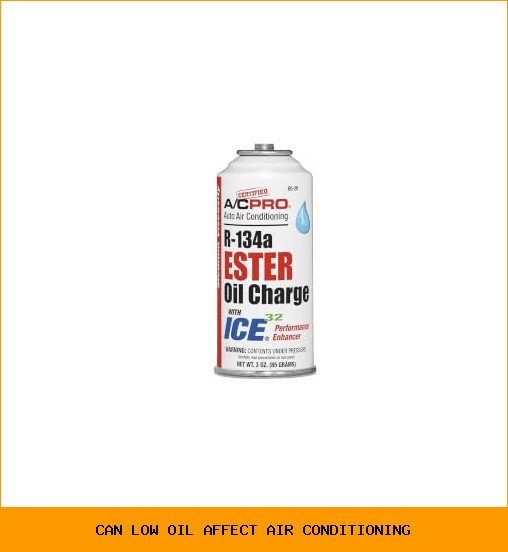
In this guide
- Ester Charge Air Conditioner Oil, 3 Oz.
- How AC Oil Works — and Why It Matters More…
- 6 Signs Your AC Is Low on Oil
- How to Diagnose Low Oil Level in Your AC…
- Three Ways to Add Oil to Your AC — and Which…
- Can You Add Too Much Oil? Yes, and It’s Just…
- Frequently Asked Questions About Low Oil and…
- 5 Things to Do Right Now If You Suspect Low…
You jump in the car on a hot day, crank the AC, and get warm air. Or maybe the air gets cold for a minute, then goes lukewarm again. The first thing most people do is grab a can of refrigerant and top it off. But what if the real problem isn’t low refrigerant? What if the system is short on oil?
Low oil in an AC system doesn’t just make it blow warm. It slowly kills the compressor. And that repair runs $800 to $1,500 on most modern cars. This article walks you through exactly how low oil affects air conditioning, the symptoms you can feel and hear, how to check oil level without special equipment, and how to safely add oil if you need to. No guesswork, no mechanic-speak.

InterDynamics
Ester Charge Air Conditioner Oil, 3 Oz.
Compatibility: R-134A auto AC systems
Buy on AmazonBy the time you finish, you’ll know whether your AC problem is oil-related, how to confirm it, and what to do about it without making things worse.
One quick tool to have on hand: The InterDynamics Ester Charge Air Conditioner Oil (3 oz.) is a pre-measured can of PAG-compatible ester oil for R-134A systems. It meets OEM specs and includes UV dye for leak detection. If you suspect low oil, this gives you a safe, measured dose instead of guessing with a syringe.
How AC Oil Works — and Why It Matters More Than You Think
Your car’s AC system needs two things to work: refrigerant to carry heat, and oil to lubricate the compressor. The oil circulates with the refrigerant through the entire loop. Without enough oil, the compressor runs dry. Metal grinds on metal inside the compressor. That’s the beginning of the end.
Most AC systems hold between 4 and 8 ounces of oil total. The exact amount depends on the compressor model and system design. For example, a late-model Honda Civic takes about 5.5 ounces. A Ford F-150 might need 7 ounces. Unlike engine oil, there’s no dipstick. You can’t just pull a cap and check the level.
Oil leaves the system in two ways. First, a slow leak in any component lets oil escape along with the refrigerant. Second, when you recharge with a can from an auto parts store, those cans usually contain zero oil. Every time you top off without adding oil, you dilute the mixture. Over time the oil-to-refrigerant ratio drops below safe levels.
Key number: The compressor needs oil return flow to stay alive. Below about 60% of the original oil charge, internal wear accelerates fast. The compressor can seize within a few hundred miles of driving.
6 Signs Your AC Is Low on Oil
Low oil doesn’t always trigger a dashboard warning light. You have to watch for these clues:
- Loud compressor noise. A healthy compressor hums. A low-oil compressor clicks, rattles, or whines, especially when the clutch engages.
- Intermittent cooling. The AC blows cold for a few minutes, then warm. That’s the compressor overheating, triggering thermal shutdown.
- Frequent clutch cycling. If the clutch clicks on and off every 10–15 seconds, oil starvation can be a cause. The compressor struggles to build pressure.
- No cooling at all. If oil loss is severe, the compressor may have already seized. You’ll hear a grinding noise or the drive belt will squeal.
- Oily residue on AC components. Look for wet spots on the compressor body, condenser, or hose fittings. Oil leaks always mean oil loss.
- Low gauge pressure with high discharge temperature. This requires a manifold gauge set. If the low side reads below 20 psi and the line leaving the compressor feels hot enough to burn your hand, oil return is failing.
A single symptom doesn’t confirm low oil. But if you see two or three together, it’s time to check.
How to Diagnose Low Oil Level in Your AC System
There’s no easy dipstick. The only accurate method is to recover the refrigerant, drain the oil from the compressor, measure it, and compare against the spec. That’s a shop job with a recovery machine.
But you can make a solid guess without recovering the whole system. Here’s the practical approach most mechanics use:
- Run the AC on max for five minutes. Let the system stabilize.
- Touch the compressor body. If it’s too hot to keep your hand on (over 200°F), oil return is likely low. A normal compressor runs around 150–180°F on a 90°F day.
- Listen closely. A grinding or metallic clicking sound points to lack of lubrication.
- Check the sight glass (if your system has one). Some BMWs, Mercedes, and older American cars have a glass window on the receiver drier. Bubbles in the glass while running at high RPM mean low refrigerant — and likely low oil too because they leak together.
- Weigh the refrigerant charge. If you’ve added more than 12 ounces of refrigerant over the past year without also adding oil, you’ve diluted the original charge enough to risk damage.
Pro tip: If you’ve never serviced the AC and the car is over ten years old, plan on replacing the oil entirely. The original oil breaks down over time and loses lubricity. A professional evacuate-and-recharge with fresh oil is cheap insurance compared to a new compressor.
Three Ways to Add Oil to Your AC — and Which One You Should Use
Adding oil to a sealed AC system isn’t as simple as pouring it in. You have to get it past the compressor while keeping air and moisture out. Here are the three methods side by side.
| Method | How It Works | Tools Needed | Best For | Risk Level |
|---|---|---|---|---|
| Compressor removal | Unbolt the compressor, drain old oil, measure, refill, reinstall. | Wrenches, new o-rings, torque wrench, oil catch can | Full oil change, seized compressor replacement | High — requires reclaiming refrigerant |
| Vacuum draw method | Pull a deep vacuum on the system, then let the vacuum suck oil in through the low-side service port. | Vacuum pump, manifold gauges, oil injector cup | After repairs where system is already empty | Moderate — risk of over-filling if you don’t measure |
| Pre-measured charge can (direct injection) | Screw a small can of AC oil (like InterDynamics Ester Charge) onto a charging hose, connect to low side, and let the system pull it in while running. | Charge hose with shutoff valve, AC oil can | Topping off a system that’s still running but low on oil | Low — but don’t overfill; use a measured can |
The direct injection method is the most practical for a DIY owner. You don’t need to evacuate the refrigerant. You just need the system to be running and the compressor engaging. That’s where a product like the InterDynamics Ester Charge shines. It’s 3 oz. — enough to top off most systems without going over. The UV dye inside helps you find future leaks too.
If your compressor is already seized or you’ve had a major leak repaired, skip the can. Go straight to method 1 or 2 with a shop-grade recovery machine.
Can You Add Too Much Oil? Yes, and It’s Just as Bad
Overfilling oil is a real mistake. Excess oil doesn’t lubricate better. It pools in the evaporator and condenser, reducing heat transfer. The AC blows colder for a short time, then the high-side pressure spikes and the system shuts down. Long term, too much oil can flood the compressor and cause hydraulic lock, bending internal parts.
General rule: never add more than 2 ounces at a time without measuring what’s already in the system. If you’re not sure, have a shop do an oil flush. The few dollars you spend there save you from replacing a compressor.
Frequently Asked Questions About Low Oil and AC Performance
Can low oil permanently damage my AC compressor?
Yes. The compressor relies on oil for both lubrication and seal cooling. Run it low for more than a few minutes of load cycling, and the internal bearing surfaces wear down. Once clearances open up, the compressor never seals properly again. Even if it still spins, efficiency drops and noise increases. Eventually it seizes or the clutch melts. Replacing a compressor costs 10x what an oil top-off costs.
How much oil does my car’s AC system need?
Check under the hood for a sticker on the compressor, receiver drier, or hood latch. It will say something like “Oil charge: 5.5 oz PAG 46.” If you can’t find a sticker, look up the OEM specification by make, model, and engine. Common amounts: 4 oz (small compacts), 6 oz (midsize sedans), 8 oz (large trucks and SUVs). Remember that oil circulates through all components; you can’t just pour it into the compressor port and call it done.
What happens if I put oil in the high-side port?
Don’t do it. The high-side service port is under high pressure when the system is running. Adding oil there forces high-pressure gas back into the can, potentially bursting the hose or damaging the compressor reed valves. Always add oil through the low-side suction port (the larger hose, usually with a blue or black cap).
How often should I check or change AC oil?
There’s no routine maintenance interval for AC oil. It doesn’t burn off like engine oil. Check it only if you’ve lost refrigerant through a leak, or if the system was opened for a repair. If you’ve refilled refrigerant more than twice without adding oil, it’s smart to test the oil level at a shop. A simple oil return check takes 15 minutes with gauges.
Can I just add oil without evacuating the system?
Yes, if the system still has positive pressure and the compressor engages. Use the direct injection method: a measured oil can connected to the low-side service port while the AC runs on max. The system’s suction pulls the oil in. This works only for top-ups. For a full oil replacement, you must recover the old refrigerant first.
5 Things to Do Right Now If You Suspect Low Oil
- Stop running the AC if you hear grinding or rattling. Every minute of operation grinds away metal. Shut it off and get a diagnosis.
- Check the sight glass for bubbles. Steady bubbles at high RPM indicate low refrigerant and likely low oil. Write down the exact amount of refrigerant you add so you can calculate oil dilution.
- Buy a single pre-measured oil can. The InterDynamics Ester Charge (3 oz.) is designed for this exact scenario. It’s cheap, it’s accurate, and the UV dye helps you find the leak later.
- Never use “stop leak” products. They solidify in the condenser and kill the system faster than low oil ever could. Stick to clean oil.
- Schedule a professional AC service if the car is over 8 years old. They’ll recover the old refrigerant, replace the receiver drier, measure the oil, and recharge with fresh stuff. That service runs $150–$250, and it extends the life of your AC by years.

Eng. Kamrul Islam
Founder and product researcher
Engineer with more than 10 years of experience researching and selling products on Amazon, including his own brand on Amazon Australia. He compares specs, standards, sellers and owner feedback.
All guides by Eng. Kamrul IslamMore in ac & compressor oils
All 193 guidesThe 7 Best Air Conditioner Compressor Oil Prices of 2026
Air conditioner compressors are vital to the performance of any AC system. To ensure they continue to operate…
 How-to
Can Low Oil Cause Air Conditioning Problems?
You pull into your driveway on a 95-degree day, crank the AC to max, and all that comes…
 Capacity
The Right Air Conditioning Oil Capacity: What Every Tech Should Know
You just replaced a compressor. Maybe a condenser too. Now you’re staring at the open ports wondering how…