 Eng. Kamrul Islam
 In this guide
Many vehicle owners have experienced the sight of black engine oil during routine maintenance checks. This observation often prompts questions about the implications of oil color and its relationship with engine health. Understanding why engine oil turns black can help you better maintain your vehicle and prolong its lifespan. In this article, we will explore the reasons behind the darkening of engine oil, its significance, and what steps you can take to ensure your engine remains in optimal condition.
Generic
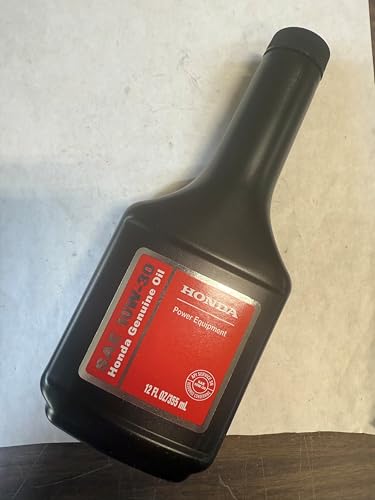
Power Equipment Genuine 10W-30 Engine Oil, Black Bottle, 12 Fluid Ounces
GENUINE HONDA OIL: Official Honda Power Equipment 10W-30 engine oil specifically formulated for optimal performance in Honda engines
Buy on AmazonTable of Contents
- What Makes Engine Oil Black?
- Normal vs. Worn Engine Oil
- The Role of Additives in Engine Oil
- When to Change Engine Oil
- Common Misconceptions About Engine Oil Color
- FAQ
What Makes Engine Oil Black?
Engine oil is designed to lubricate moving parts, reduce friction, and protect the engine from wear. Over time, as the oil circulates through the engine, it picks up dirt, debris, and combustion byproducts. This accumulation of contaminants leads to the darkening of the oil.
Contaminants in Engine Oil
The primary factors that contribute to the darkening of engine oil include:
- Carbon Deposits: These are residues formed during the combustion process. As oil flows through the engine, it collects these tiny particles, causing the oil to darken.
- Oxidation: Exposure to heat and oxygen causes the oil to oxidize, resulting in a change of color and a decrease in its effectiveness.
- Metal Particles: Wear and tear of engine components can release metal shavings into the oil, further contributing to its dark appearance.
Normal vs. Worn Engine Oil
It’s essential to differentiate between normal and worn engine oil, as both can appear black. Understanding these differences can help you make informed decisions about oil maintenance.
Normal Black Oil
When engine oil turns black, it often indicates that the oil is performing its job by trapping contaminants. In many cases, this is a normal occurrence, especially in older engines or vehicles that undergo frequent stop-and-go driving. Black oil does not necessarily mean that the oil is ineffective; rather, it may be a sign that the oil is actively protecting the engine.
Worn or Contaminated Oil
On the other hand, if the oil appears excessively thick or has a gritty texture, it may be time for an oil change. Worn oil can lose its viscosity and ability to lubricate properly, leading to increased engine wear and potential damage.
The Role of Additives in Engine Oil
Modern engine oils contain various additives designed to enhance performance, including detergents, dispersants, and anti-wear agents. These additives play a crucial role in maintaining oil quality and preventing the oil from turning black too quickly.
Detergents and Dispersants
Detergents help keep engine surfaces clean, while dispersants prevent the formation of sludge and deposits. However, as these additives work, they can become depleted, leading to an increased rate of contamination and a darker oil color.
Anti-Wear Agents
Anti-wear agents help protect engine parts from wear and tear. Over time, these agents can break down, which may contribute to the oil’s dark color and reduced effectiveness.
When to Change Engine Oil
Knowing when to change your engine oil can help prevent potential issues related to oil degradation. Here are some guidelines to consider:
Manufacturer Recommendations
Always refer to your vehicle’s owner manual for specific oil change intervals. Most manufacturers provide recommendations based on mileage or time, ensuring that you maintain optimal engine performance.
Signs of Oil Degradation
In addition to color, other signs that it may be time to change your oil include:
- Unusual engine noise or knocking sounds
- Decrease in fuel efficiency
- Oil that feels gritty or sludgy
- Oil light indicator on the dashboard
Common Misconceptions About Engine Oil Color
Many myths surround the topic of engine oil color, leading to confusion among vehicle owners. Let’s address some of the most common misconceptions:
Myth: Black Oil Means It’s Time for an Oil Change
While black oil can indicate that it’s time for a change, it is not always the case. As mentioned earlier, black oil can be a sign of effective cleaning and protection within the engine.
Myth: New Oil Should Always Be Clear
While it’s true that new oil typically appears lighter in color, some oils contain additives that may cause them to appear darker even when new. Always refer to the oil’s specifications rather than relying solely on color.
Myth: All Black Oil Is Bad
As discussed throughout this article, black oil isn’t inherently bad. It’s essential to assess the oil’s condition based on various factors, including texture, smell, and performance, rather than solely its color.
FAQ
A: If your oil darkens quickly, it may be due to driving conditions or engine issues. Frequent short trips, stop-and-go traffic, or an engine that is burning oil can contribute to quicker oil degradation.
A: It’s generally not recommended to mix different types of engine oil, as it can interfere with the performance and effectiveness of the additives. Stick to the same type and brand if possible.
A: It depends on your vehicle and driving habits. Most manufacturers suggest changing oil every 5,000 to 7,500 miles, but always consult your owner’s manual for specific recommendations.
A: Synthetic oil offers better protection and performance in extreme temperatures and driving conditions. It also tends to last longer, making it a preferred choice for many vehicle owners.
In conclusion, understanding why engine oil is black can empower you as a vehicle owner to make informed decisions about maintenance. While dark oil can indicate effective cleaning and protection, it’s essential to monitor its condition regularly. By following manufacturer guidelines and being aware of signs of oil degradation, you can help ensure your engine operates smoothly for years to come. For those looking for high-quality engine oils, consider checking out The 7 Best Engine Oils Like Sludge of 2026, The 7 Best Engine Oils Like of 2026, The 7 Best Engine Oils and Filters of 2026, The 7 Best Engine Oils Like Jelly of 2026, and The 7 Best Engine Oils Like Water of 2026 to choose the best for your vehicle’s needs.
Related pick: Check today's price on Amazon

Eng. Kamrul Islam
Founder and product researcher
Engineer with more than 10 years of experience researching and selling products on Amazon, including his own brand on Amazon Australia. He compares specs, standards, sellers and owner feedback.
All guides by Eng. Kamrul IslamMore in motor & engine oils
All 185 guidesIs Motor Oil Synthetic
Motor oil is vital for the longevity and performance of your vehicle’s engine. With numerous options available on…
How Motor Oil
Understanding how motor oil functions is crucial for every vehicle owner. Motor oil is not just a lubricant;…
Will An Oil Change Help My Ac
When your vehicle’s air conditioning system isn’t performing at its best, it’s natural to start wondering about potential…