 Eng. Kamrul Islam
 In this guide
Choosing the right hydraulic oil is crucial for the smooth and efficient operation of hydraulic systems. Whether you’re working with hydraulic machinery in construction, manufacturing, or automotive applications, the type of oil you select will significantly impact performance, longevity, and maintenance of the equipment. With various options available, it’s essential to understand the specifications and requirements that will meet your specific needs.
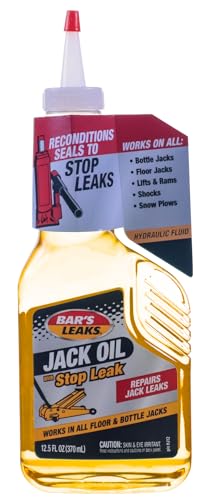
Bar's Leaks
Bar's Leaks Jack Oil with Stop Leak - 12.5 oz
Stops Current Leaks And Prevents Future Leaks
Buy on AmazonTable of Contents
- Understanding Hydraulic Oil
- Types of Hydraulic Oil
- Viscosity Grades
- Additives in Hydraulic Oil
- How to Choose Hydraulic Oil
- Common Hydraulic Oil Brands
- FAQ
Understanding Hydraulic Oil
Hydraulic oil is a specialized fluid used in hydraulic systems to transfer power. It operates by creating pressure that moves various components of machinery. Aside from power transmission, hydraulic oils also lubricate parts, cool the system, and protect against corrosion and wear. Understanding the composition and properties of these oils can help you make educated choices suitable for your specific machinery.
Types of Hydraulic Oil
There are several types of hydraulic oils available, each designed for specific applications. Here’s a brief overview:
- Mineral Oil: The most common type derived from refining crude oil, mineral oils are widely used due to their cost-effectiveness and availability.
- Synthesized Oil: These oils are chemically engineered to provide superior performance under extreme conditions. They often have better thermal stability and can last longer than mineral oils.
- Biodegradable Oil: Made from vegetable sources, these oils are environmentally friendly and are gaining popularity in applications where spills or leaks could cause environmental harm.
Specialized Hydraulic Oils
In addition to the standard types, there are specialized hydraulic oils formulated for specific conditions such as high temperatures, low temperatures, or for use in food processing machinery where regulations are stricter.
Viscosity Grades
Viscosity is a critical factor when selecting hydraulic oil. It refers to the thickness of the oil and its ability to flow at specific temperatures. Higher viscosity oils are thicker and provide better film strength, while lower viscosity oils flow more easily but may not provide adequate protection under high pressure.
| Viscosity Grade | Typical Applications |
|---|---|
| 15 | Light-duty machinery, low temperature applications |
| 32 | General hydraulic systems |
| 46 | High-load machinery, moderate temperatures |
| 68 | Heavy-duty applications, high temperatures |
Additives in Hydraulic Oil
Hydraulic oils often contain various additives to enhance performance and protect the system. Common additives include:
- Anti-wear agents: Protect metal surfaces from wear and tear.
- Corrosion inhibitors: Prevent rust and corrosion inside the system.
- Foam inhibitors: Reduce foam that can hinder performance.
- Viscosity index improvers: Help maintain optimal viscosity across a range of temperatures.
How to Choose Hydraulic Oil
Choosing the right hydraulic oil involves considering several factors:
1. Equipment Specifications
Always refer to your equipment’s manual for recommended oil types and viscosity grades. Manufacturers provide guidelines based on the specific needs of the machinery.
2. Operating Conditions
Consider the operating temperature and pressure of your system. If you work in extreme conditions, you may need specialized oils that can withstand those elements.
3. Environmental Impact
If your machinery is used in environmentally sensitive areas, opt for biodegradable hydraulic oils. These oils are designed to minimize environmental damage in case of spills.
4. Compatibility
Ensure that the hydraulic oil is compatible with the seals and materials used in your hydraulic system. Incompatible oils can lead to leaks and damage over time.
Common Hydraulic Oil Brands
Several reputable brands offer high-quality hydraulic oils. Some notable ones include:
- Mobil: Known for its wide range of hydraulic fluids suitable for various applications.
- Shell: Offers premium hydraulic oils with advanced technology for improved performance.
- Castrol: Provides specialized hydraulic fluids for different industrial requirements.
- Chevron: Known for its high-performance hydraulic oils designed for heavy-duty applications.
FAQ
A: It depends on the tractor model and manufacturer recommendations. Typically, you will need a hydraulic oil with a viscosity grade suitable for your operating conditions, often around ISO 46 or ISO 32.
A: Mixing different types of hydraulic oils is generally not recommended as it can alter the performance characteristics and lead to potential damage. Always stick to one type or consult with a specialist.
A: This depends on the application and the oil type used. Generally, a change is recommended every 1,000 to 2,000 hours of operation or annually, whichever comes first. Always refer to your equipment’s manual for specific guidance.
A: Signs include discolored oil, a burnt smell, metal particles in the fluid, or decreased performance of the hydraulic system.
In conclusion, selecting the right hydraulic oil is vital for the longevity and efficiency of your hydraulic systems. Consider the oil type, viscosity, additives, and environmental factors when making your selection. For further guidance, check out our articles on The 7 Best Hydraulic Fluid Zinc Free of 2026, The 7 Best Hydraulic Oil 320 of 2026, The 7 Best Hydraulic Oil 0.9 kg of 2026, The 7 Best Hydraulic Oil 100 Grade of 2026, and The 7 Best Hydraulic Oil 15 of 2026. By understanding your options and following best practices, you can ensure your hydraulic systems operate smoothly for years to come.
Related pick: Check today's price on Amazon

Eng. Kamrul Islam
Founder and product researcher
Engineer with more than 10 years of experience researching and selling products on Amazon, including his own brand on Amazon Australia. He compares specs, standards, sellers and owner feedback.
All guides by Eng. Kamrul IslamMore in hydraulic oils
All 225 guidesIs Hydraulic Oil Non Conductive
Hydraulic systems are integral to many industrial applications, from construction machinery to manufacturing equipment. Understanding the properties of…
Hydraulic Oil And Filter
Hydraulic systems play a crucial role in various industries, leveraging the power of fluids to transmit force and…
Hydraulic Oil Alternative
In the world of hydraulic systems, the choice of hydraulic oil is crucial for ensuring optimal performance and…