 Eng. Kamrul Islam
 In this guide
Maintaining an air conditioning system is essential for ensuring efficient performance and longevity. One crucial component of this maintenance is the oil used within the system, specifically Polyalkylene Glycol (PAG) oil. While PAG oil is designed to lubricate the system’s moving parts and enhance its efficiency, using too much can lead to several issues. In this article, we will explore what happens if you put too much PAG oil in an AC system, the potential consequences, and how to address any problems that arise.

Table of Contents
- Understanding PAG Oil
- Importance of Correct Oil Levels
- Consequences of Overfilling PAG Oil
- How to Identify Overfilled Oil
- Correcting an Oil Overfill
- Preventive Measures
- Conclusion
- FAQs
Understanding PAG Oil
PAG oil is a type of synthetic oil commonly used in automotive and HVAC air conditioning systems. It is specifically formulated to provide excellent lubrication and compatibility with refrigerants, particularly R134a. PAG oil is hygroscopic, meaning it can absorb moisture from the air, which can be beneficial in preventing rust and corrosion within the system. However, the correct quantity of PAG oil is crucial for optimal performance.
Types of PAG Oil
PAG oils come in different viscosities, typically ranging from low to high. The viscosity rating (often indicated as PAG 46, PAG 100, etc.) relates to the oil’s thickness and its performance at various temperatures. Choosing the right type of PAG oil for your AC system is vital to ensuring its longevity and efficiency.
Importance of Correct Oil Levels
Maintaining the correct level of PAG oil in an AC system is critical for several reasons:
- Lubrication: Proper oil levels ensure that all moving parts are adequately lubricated, reducing friction and wear.
- Cooling: Oil helps to transfer heat away from the compressor, preventing overheating.
- Efficiency: Correct oil levels contribute to the overall efficiency of the AC system, allowing it to cool the air effectively.
Consequences of Insufficient Oil
When there is too little oil, the compressor can suffer damage due to lack of lubrication, leading to potential system failure.
Consequences of Overfilling PAG Oil
While it might seem like adding more oil would only benefit the system, overfilling PAG oil can lead to several adverse effects, including:
1. Increased Pressure
Too much oil in the system can lead to increased pressure within the compressor. This pressure can cause the compressor to work harder than necessary, leading to premature wear and potential failure.
2. Oil Foaming
Excess oil can create foaming, which reduces its effectiveness as a lubricant. Foaming can lead to inadequate lubrication, increasing the risk of friction and wear on the compressor components.
3. Refrigerant Flow Disruption
Overfilling PAG oil can disrupt the flow of refrigerant within the system. This disruption can lead to inefficient cooling and increased energy consumption.
4. Compressor Damage
A compressor that operates under excessive pressure or with inadequate lubrication can experience severe damage, leading to costly repairs or replacements.
How to Identify Overfilled Oil
Identifying an overfilled PAG oil situation is crucial for mitigating potential damage. Here are some signs to look for:
1. Unusual Noises
If you hear unusual noises coming from the compressor, it could indicate that the oil is foaming or that there is excess pressure in the system.
2. Reduced Cooling Efficiency
Noticeable drops in cooling performance are a sign that something may be wrong with the oil levels in the system.
3. Oil Leaks
Check for oil leaks around the compressor and other components. An overfilled system may cause oil to find its way out of the system, leading to noticeable leaks.
4. Pressure Readings
Using a gauge, you can check the pressure within the AC system. If the pressure readings are higher than normal, it could indicate an overfill situation.
Correcting an Oil Overfill
If you suspect that your AC system is overfilled with PAG oil, it’s crucial to take action promptly. Here’s how to correct the issue:
1. Diagnose the Problem
Before taking any action, confirm that overfilled oil is the issue by checking the pressure and listening for unusual sounds.
2. Remove Excess Oil
To rectify an overfill, you will need to remove the excess oil from the system. This can typically be done using a suction tool or vacuum pump. Ensure you follow proper procedures to avoid introducing contaminants into the system.
3. Test and Refill
After removing excess oil, test the system to ensure proper pressure and functionality. If necessary, refill the system with the correct amount of PAG oil as specified in the owner’s manual.
Preventive Measures
To avoid the problems associated with overfilling PAG oil, consider the following preventive measures:
1. Follow Manufacturer Recommendations
Always adhere to the manufacturer’s guidelines regarding oil type and capacity. This information is typically found in the owner’s manual or on the manufacturer’s website.
2. Regular Maintenance
Schedule regular maintenance checks with a qualified technician who can monitor oil levels and overall system performance. This will help detect any issues before they escalate.
3. Use Quality Products
Using high-quality PAG oil and other components will ensure better performance and longevity of your AC system. Consider checking out resources like The 7 Best Air Conditioner Oil Cleaners of 2026 to maintain your system properly.
Conclusion
Understanding the role of PAG oil in an AC system is crucial for maintaining its efficiency and longevity. Overfilling PAG oil can lead to a range of issues, from increased pressure to potential compressor failure. By being aware of the signs of overfill and taking proactive measures, you can ensure that your AC system operates smoothly. Regular maintenance, adherence to manufacturer recommendations, and using quality products will help prevent overfilling and keep your air conditioning system in top condition.
A: It is generally not recommended to mix different types of PAG oil as it can lead to compatibility issues. Always use the same type as specified by the manufacturer.
A: It is advisable to check the oil levels at least once a year during routine maintenance or whenever you notice a drop in cooling efficiency.
A: If you suspect an overfill, it’s best to consult a professional technician who can assess the situation and make the necessary corrections.
For more information on maintaining your AC system and selecting the right oils, check out resources for The 7 Best Air Conditioner Oil Coolers of 2026, The 7 Best Air Conditioner Mineral Oils of 2026, The 7 Best Air Con Oil R134a of 2026, and The 7 Best Air Conditioner Refrigerant Oils of 2026.
Related pick: Check today's price on Amazon

Eng. Kamrul Islam
Founder and product researcher
Engineer with more than 10 years of experience researching and selling products on Amazon, including his own brand on Amazon Australia. He compares specs, standards, sellers and owner feedback.
All guides by Eng. Kamrul IslamMore in ac & compressor oils
All 193 guides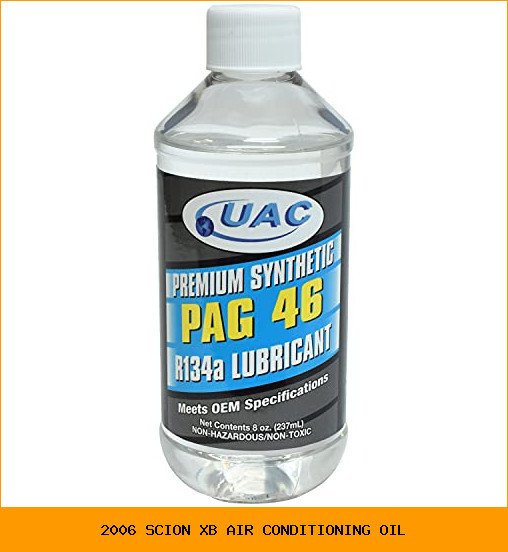 Guide
Guide2006 Scion xB Air Conditioning Oil: What You Need to Know
Your 2006 Scion xB’s air conditioning blows warm on a July afternoon. You’ve checked the refrigerant pressure, cleaned…
The 7 Best Air Conditioning Ester Oils of 2026
**Discover the top air conditioning ester oils of 2026 to enhance your vehicle's cooling system.** Efficient maintenance of…
 Guide
GuideAuto Air Conditioning Oil Charge: Why It Matters and How to Do It Right
You bought a can of refrigerant at the auto parts store. You connected the hose, squeezed the trigger,…