 Eng. Kamrul Islam
 In this guide
When it comes to maintaining your vehicle, understanding the various types of fluids is crucial for optimal performance and longevity. Two terms frequently discussed in automotive maintenance are gear oil and differential fluid. Although they are often used interchangeably, they serve specific purposes and have unique characteristics. This article will clarify the differences, similarities, and roles of gear oil and differential fluid, ensuring you make informed decisions for your vehicle’s maintenance.
Bar's Leaks
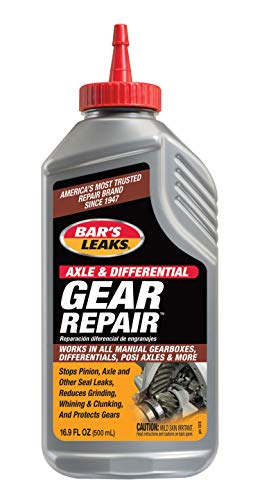
Bar's Leaks Axle and Differential Gear Repair, 16.9 Oz
STOPS PINION, AXLE, OUTPUT SHAFT AND OTHER SEAL LEAKS: This is a treatment additive for use with automotive, heavy duty, agricultural, marine and industrial gear oils.
Buy on AmazonTable of Contents
- Understanding Gear Oil
- Understanding Differential Fluid
- Similarities and Differences
- When to Use Which Fluid
- Common Questions
- Conclusion
Understanding Gear Oil
Gear oil is a specialized lubricant designed to reduce friction and wear in the gears of mechanical systems. It is thicker than conventional engine oil, which helps it adhere to metal surfaces more effectively under high-pressure conditions. Gear oils are available in various viscosity grades, with common options including 75W-90, 80W-90, and 85W-140, among others.
Composition of Gear Oil
Gear oil typically contains base oils and various additives. The base oils can be either mineral-based or synthetic, while additives may include:
- Extreme Pressure (EP) Additives: These additives help prevent wear under high-load conditions.
- Anti-Foam Agents: These prevent the formation of foam, which can reduce lubrication effectiveness.
- Corrosion Inhibitors: These protect metal surfaces from rust and corrosion.
Applications of Gear Oil
Gear oil is used in a variety of applications, including:
- Manual transmissions
- Transfer cases
- Differentials
- Industrial machinery
Understanding Differential Fluid
Differential fluid, on the other hand, is a specific type of lubricant designed for the differential system of a vehicle. The differential allows for the wheels to rotate at different speeds, especially during turns. This is essential for maintaining traction and control.
Composition of Differential Fluid
Similar to gear oil, differential fluid may also contain base oils and additives. However, differential fluid often has unique properties that cater specifically to the needs of the differential system:
- Limited Slip Additives: These are included to help the differential function optimally, especially in vehicles with limited-slip differentials.
- Anti-Wear Agents: These protect the gears within the differential from excessive wear and tear.
Applications of Differential Fluid
Differential fluid is specifically used in:
- Rear and front differentials in vehicles
- Limited-slip differentials
- All-wheel drive (AWD) systems
Similarities and Differences
While gear oil and differential fluid share some characteristics, they also have distinct differences:
| Feature | Gear Oil | Differential Fluid |
|---|---|---|
| Purpose | Lubricates various gear systems | Lubricates the differential system |
| Viscosity | Thicker, various grades | Can be thicker or similar to gear oil |
| Additives | EP additives, anti-foam agents | Limited slip additives, anti-wear agents |
| Common Applications | Manual transmissions, transfer cases | Rear/front differentials, AWD systems |
When to Use Which Fluid
Deciding whether to use gear oil or differential fluid depends on your vehicle’s specifications and the type of mechanical system in question. Here are some guidelines:
Using Gear Oil
Use gear oil in situations such as:
- When maintaining manual transmissions or transfer cases that require gear lubrication.
- In applications that specifically call for gear oil, as indicated in the owner’s manual.
Using Differential Fluid
Opt for differential fluid in these situations:
- When servicing the differential system of your vehicle.
- In vehicles equipped with limited-slip differentials that require specific additives for optimal performance.
Common Questions
A: It depends on the specifications of your vehicle. Some differentials can use gear oil, but always consult your owner’s manual for the correct type of fluid.
A: It’s generally recommended to change differential fluid every 30,000 to 60,000 miles, but check your vehicle’s manual for specific guidelines.
A: Using the wrong fluid can lead to inadequate lubrication, increased wear, overheating, and potential failure of the differential system.
A: Yes, many manufacturers recommend specific gear oils for their vehicles. Check the owner’s manual or consult with your mechanic for the best options.
Conclusion
Understanding the differences between gear oil and differential fluid is essential for vehicle maintenance. Gear oil is a broader category of lubricants used for various gear systems, while differential fluid is specifically designed for the differential system, which plays a critical role in vehicle performance. Always refer to your vehicle’s owner manual for the correct fluid specifications and follow maintenance schedules to ensure longevity and optimal performance. For those looking for the best options available, consider checking out resources such as The 7 Best Gear Oils for Mio in 2026, The 7 Best Gear Oil Kits of 2026, The 7 Best Gear Oil EP 220 of 2026, The 7 Best Gear Oils of 2026, and The 7 Best 75w90 Gear Oil Quart of 2026 to find high-quality lubricants that suit your needs.
Related pick: Check today's price on Amazon

Eng. Kamrul Islam
Founder and product researcher
Engineer with more than 10 years of experience researching and selling products on Amazon, including his own brand on Amazon Australia. He compares specs, standards, sellers and owner feedback.
All guides by Eng. Kamrul IslamMore in gear oils & differential fluids
All 353 guidesThe 7 Best Gear Oil GL-4 80W of 2026
Finding the perfect gear oil can be daunting with the myriad of options available. In 2026, the top…
The 7 Best Gear Oil 600 XP 220 of 2026
Explore our comprehensive guide on the best gear oil 600 XP 220 of 2026, tailored for those who…
When Gear Oil
Understanding when to use gear oil is essential for maintaining the efficiency and longevity of your vehicle’s transmission…