 Eng. Kamrul Islam
 In this guide
Hydraulic oils are essential fluids used in various industrial applications, including machinery operation, automotive systems, and construction equipment. These oils play a crucial role in transferring power, lubricating components, and providing cooling in hydraulic systems. Understanding hydraulic oil and its various grades can help you select the right product for your specific needs, ensuring optimal performance and longevity of your machinery.
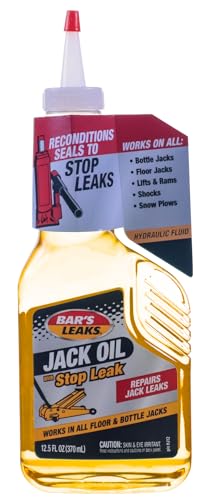
Bar's Leaks
Bar's Leaks Jack Oil with Stop Leak - 12.5 oz
Stops Current Leaks And Prevents Future Leaks
Buy on AmazonTable of Contents
- What Is Hydraulic Oil?
- Types of Hydraulic Oil
- Hydraulic Oil Grades
- Applications of Hydraulic Oil
- Choosing the Right Hydraulic Oil
- Maintenance Tips for Hydraulic Oil
- FAQ
What Is Hydraulic Oil?
Hydraulic oil is a specialized fluid designed to transfer energy in hydraulic machinery. It is formulated to provide excellent lubrication and cooling properties, ensuring that the machinery operates efficiently under high pressure and temperature. Hydraulic oils are typically derived from mineral oil, but can also be made from synthetic or biodegradable substances to meet specific environmental and performance standards.
Types of Hydraulic Oil
There are several types of hydraulic oils, each with unique properties suited for different applications. Understanding these types will help you make informed decisions regarding your hydraulic system’s needs.
Mineral Oil
Mineral oils are the most common type of hydraulic oil, derived from refining crude oil. They offer good lubrication, stability, and resistance to oxidation. Mineral oils can be further categorized into several subtypes based on their viscosity and additives.
Biodegradable Oil
Biodegradable hydraulic oils are formulated from renewable resources, such as vegetable oils, and are designed to minimize environmental impact. These oils are particularly beneficial in applications where spills may occur, such as in forestry or agriculture.
Water-Based Oil
Water-based hydraulic fluids, including water-glycol solutions, are used in applications where fire resistance is crucial. However, these fluids can exhibit lower lubrication properties compared to oil-based fluids.
Hydraulic Oil Grades
Hydraulic oils are classified by their viscosity grades, which indicate the oil’s thickness and flow properties. The most commonly used viscosity grades include 32, 46, and 36. Each grade serves different applications and operating conditions.
Hydraulic Oil 32
Hydraulic Oil 32 is a lightweight fluid suitable for moderate temperature environments. It offers excellent fluidity and is often used in mobile equipment and industrial hydraulic systems.
Hydraulic Oil 46
Hydraulic Oil 46 is a medium viscosity oil that performs well in a range of temperatures. It is ideal for heavy machinery and industrial applications, providing excellent lubrication and protection against wear.
Hydraulic Oil 36
Hydraulic Oil 36 falls between the 32 and 46 grades in terms of viscosity. It is suitable for systems operating at higher temperatures and provides a good balance of performance and protection.
Applications of Hydraulic Oil
Hydraulic oils are used in a wide range of applications across various industries. Some common uses include:
| Application | Industry | Description |
|---|---|---|
| Construction Equipment | Construction | Used in excavators, bulldozers, and cranes to power hydraulic systems. |
| Automotive Systems | Automotive | Used in power steering systems and automatic transmissions to facilitate smooth operation. |
| Manufacturing Machinery | Manufacturing | Used in hydraulic presses, lifts, and other machinery to enhance productivity. |
| Aerospace | Aerospace | Used in hydraulic systems for aircraft control surfaces and landing gear. |
Choosing the Right Hydraulic Oil
Selecting the appropriate hydraulic oil is crucial for optimal machinery performance. Here are some factors to consider when making your choice:
- Viscosity: Ensure the oil’s viscosity grade matches the manufacturer’s specifications for your equipment.
- Operating Conditions: Consider the temperature range and pressure conditions your hydraulic system will operate under.
- Environmental Impact: If spills are a concern, consider using biodegradable hydraulic oils to minimize ecological damage.
- Compatibility: Ensure that the hydraulic oil is compatible with the materials used in your hydraulic system to avoid degradation.
Maintenance Tips for Hydraulic Oil
Proper maintenance of hydraulic oil is essential for maximizing the lifespan and efficiency of your hydraulic systems. Here are some maintenance tips:
- Regular Fluid Checks: Routinely check the oil level and condition. Look for signs of contamination or degradation.
- Change Oil Periodically: Follow the manufacturer’s recommended oil change intervals to prevent issues related to old or contaminated oil.
- Monitor Temperature: Ensure that the hydraulic system operates within the recommended temperature range to prevent overheating.
- Filtration: Use appropriate filters to keep contaminants out of the hydraulic system, and replace them as needed.
FAQ
A: The best hydraulic oil depends on your equipment’s specifications, operating conditions, and the environment in which it will be used. Always refer to the manufacturer’s guidelines to select the appropriate grade and type.
A: Mixing different hydraulic oils is generally not recommended, as it can lead to compatibility issues and affect performance. If you need to add oil, use the same type and grade as already in the system.
A: The frequency of oil changes depends on the manufacturer’s recommendations and the conditions in which the system operates. Typically, it is advisable to change the oil every 1,000 to 2,000 hours of operation or once a year.
A: Signs that your hydraulic oil may need to be changed include discoloration, a burnt smell, excessive contamination, or a drop in performance in your hydraulic system.
In conclusion, hydraulic oil is a critical component in the operation of hydraulic systems across various industries. By understanding the types and grades of hydraulic oils, as well as their applications, you can make informed decisions to ensure optimal performance and longevity of your machinery. Regular maintenance and careful selection of hydraulic oil will not only enhance the efficiency of your equipment but also help in minimizing environmental impact.
For further reading and specific product recommendations, check out our articles on The 7 Best Hydraulic Oil 36 of 2026, The 7 Best Hydraulic Fluid 75 Motorex of 2026, The 7 Best Hydraulic Oil 32 Grade of 2026, The 7 Best Hydraulic Oil 46 Grade of 2026, and The 7 Best Hydraulic Oil 32 Grade Near Me of 2026.
Related pick: Check today's price on Amazon

Eng. Kamrul Islam
Founder and product researcher
Engineer with more than 10 years of experience researching and selling products on Amazon, including his own brand on Amazon Australia. He compares specs, standards, sellers and owner feedback.
All guides by Eng. Kamrul IslamMore in hydraulic oils
All 225 guidesIs Hydraulic Fluid Oil
Hydraulic fluids play a crucial role in the functioning of hydraulic systems, which are integral to various industries,…
The 7 Best Hydraulic Oil 10W of 2026
Discover the top-performing hydraulic oils in 2026 to boost your machinery's efficiency and lifespan. These cutting-edge 10W oils…
Wholesale Hydraulic Oil
In the world of heavy machinery and industrial applications, hydraulic systems play a crucial role in ensuring efficiency…