 Eng. Kamrul Islam
 In this guide
Table of Contents
- Does Air Con Use Oil?
- Types of Air Conditioning Oils
- Functions of Oil in Air Conditioners
- Oil Compatibility with Refrigerants
- Common Issues Related to Air Conditioning Oil
- Maintenance and Oil Replacement Tips
- Frequently Asked Questions
- Conclusion
Does Air Con Use Oil?
Yes, air conditioning systems use oil, but not in the same way as a car engine or other mechanical devices. The primary component that requires oil in an air conditioner is the compressor. The compressor is the heart of the air conditioning system, responsible for compressing refrigerant gas and circulating it through the system to facilitate heat exchange. Since it contains moving parts working under high pressure, lubrication is essential to reduce friction and prevent damage.

Freeman
Freeman PTTO Air Tool Oil, 8 oz.
Specifically made for the daily lubrication of air compressor tools
Buy on AmazonThe oil used is specially formulated to mix with refrigerants and circulate through the system along with them. This oil lubricates the compressor’s moving parts, extending its life and maintaining the efficiency of the air conditioner.
Types of Air Conditioning Oils
The oils used in air conditioning systems are not all the same. Depending on the type of refrigerant and the system design, different oils may be used. The main types of oils found in air conditioners are:
Mineral Oil
Mineral oil was traditionally used in older air conditioning systems, especially those running on R-22 refrigerant. It is derived from petroleum and has good lubricating properties but limited compatibility with newer refrigerants.
PAG Oil (Polyalkylene Glycol)
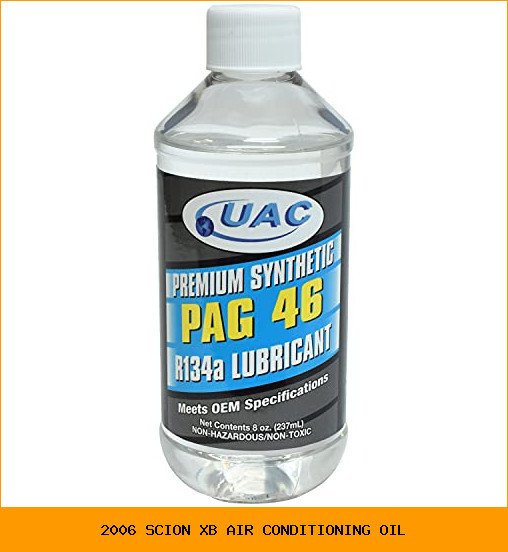
PAG oil is a synthetic oil widely used in automotive air conditioning systems that use R-134a refrigerant. It offers excellent lubrication and thermal stability but is hygroscopic, meaning it absorbs moisture, which can be problematic.
POE Oil (Polyol Ester)
POE oil is currently the most common type of oil for modern air conditioning systems, especially those using HFC refrigerants like R-410A. It has superior miscibility with refrigerants, excellent lubrication, and is more moisture tolerant than PAG oil.
Comparison Table of Air Conditioning Oils
| Oil Type | Compatibility | Moisture Absorption | Common Uses |
|---|---|---|---|
| Mineral Oil | R-12, R-22 | Low | Older AC units |
| PAG Oil | R-134a | High | Automotive AC systems |
| POE Oil | R-410A, R-134a | Moderate | Modern residential and commercial ACs |
Functions of Oil in Air Conditioners
Oil serves several critical functions within an air conditioning system, most notably within the compressor unit:
Lubrication
The compressor contains moving parts such as pistons, bearings, and valves that require constant lubrication to reduce friction. Without oil, these parts would wear down quickly, leading to compressor failure.
Cooling
As the compressor operates, it generates heat due to friction and compression. The oil helps absorb some of this heat, preventing overheating and maintaining operational stability.
Sealing
In some compressors, oil also helps seal the gaps between moving parts, improving efficiency by reducing leakage of refrigerant gas.
Oil Compatibility with Refrigerants
One of the most crucial aspects of air conditioning oil is its compatibility with the refrigerant used. Refrigerants and oils must be miscible—meaning they can mix and circulate together throughout the system. This ensures the oil reaches all the compressor parts and does not separate or cause blockages.
Why Compatibility Matters
If oil and refrigerant are incompatible, the oil may separate and pool in certain parts of the system, leaving the compressor unlubricated. This causes increased wear, overheating, and eventual failure.
Common Refrigerants and Compatible Oils
- R-22 Refrigerant: Mineral oil is typically used.
- R-134a Refrigerant: PAG oils are preferred.
- R-410A Refrigerant: POE oils are the standard.
Common Issues Related to Air Conditioning Oil
Like any component, air conditioning oils can encounter problems that affect system performance:
Oil Breakdown
Over time, oil can degrade due to heat, moisture, or chemical reactions with refrigerants. Degraded oil loses its lubricating ability and can lead to compressor damage.
Oil Loss
Oil can be lost due to leaks, improper servicing, or during refrigerant replacement. Low oil levels cause insufficient lubrication and overheating.
Oil Contamination
Moisture and dirt entering the system can contaminate the oil, leading to sludge formation and blockages.
Maintenance and Oil Replacement Tips
Proper maintenance is key to ensuring the oil in your air conditioning system remains effective:
Regular Servicing
Schedule professional servicing at least once a year to check oil levels, inspect for leaks, and replace oil if necessary.
Using the Correct Oil
Always use oil that matches your system’s refrigerant and manufacturer specifications. This ensures compatibility and optimal performance.
Leak Detection and Repair
Address refrigerant and oil leaks promptly to prevent damage.
System Flushing
If changing refrigerants or oils, flush the system thoroughly to remove old oils and contaminants.
Frequently Asked Questions
A: No. You must use the specific type of oil recommended for your system’s refrigerant. Using the wrong oil can cause serious damage.
A: Oil change frequency varies by system and usage but generally coincides with major servicing or refrigerant replacement, usually every few years.
A: The compressor will experience increased friction, overheating, and ultimately mechanical failure.
A: No, the oil circulates inside the sealed system and is not visible externally.
Conclusion
To sum up, air conditioners do use oil, specifically in the compressor, to lubricate moving parts, reduce friction, aid cooling, and improve efficiency. The type of oil depends on the refrigerant and system design, with mineral, PAG, and POE oils being the most common. Using the correct oil and maintaining proper oil levels is crucial to avoid compressor damage and costly repairs. Regular servicing, leak inspections, and adherence to manufacturer guidelines ensure your air conditioning system operates smoothly for years.
For more detailed insights into optimizing air conditioner performance and maintenance, check out resources like The 7 Best Air Conditioner Oil Capacities of 2026 and The 7 Best Air Conditioner Compressor Oil Prices of 2026. Additionally, exploring The 7 Best Essential Oils for Air Conditioner of 2026 and The 7 Best Essential Oils on HVAC Filters of 2026 can enhance air quality and system longevity. For cooling system enhancements, The 7 Best Air Conditioner Oil Coolers of 2026 offer valuable options.
Related pick: Check today's price on Amazon

Eng. Kamrul Islam
Founder and product researcher
Engineer with more than 10 years of experience researching and selling products on Amazon, including his own brand on Amazon Australia. He compares specs, standards, sellers and owner feedback.
All guides by Eng. Kamrul IslamMore in ac & compressor oils
All 193 guidesHow To Tell If An Ac Compressor Has Too Much Oil?
Air conditioning systems are essential for maintaining comfort in homes and businesses, particularly during the sweltering summer months.…
 Guide
Guide2006 Scion xB Air Conditioning Oil: What You Need to Know
Your 2006 Scion xB’s air conditioning blows warm on a July afternoon. You’ve checked the refrigerant pressure, cleaned…
What Can I Put In My Ac To Make My House Smell Good?
Maintaining a fresh and pleasant aroma in your home is essential for creating a welcoming environment. One often…