 Eng. Kamrul Islam
 In this guide
When dealing with automotive or home air conditioning systems, one issue that can cause significant concern is an air con oil leak. These leaks can impact the efficiency and longevity of the system, leading to costly repairs if not addressed promptly. Understanding the causes, signs, and solutions related to air con oil leaks is essential for anyone looking to maintain their air conditioning system in top condition.
Table of Contents
- What Is an Air Con Oil Leak?
- Causes of Air Con Oil Leaks
- Signs and Detection of Air Con Oil Leaks
- Types of Air Conditioning Oils
- How to Fix an Air Con Oil Leak
- Maintenance Tips to Prevent Leaks
- Frequently Asked Questions
- Conclusion
What Is an Air Con Oil Leak?
An air con oil leak occurs when the lubricating oil within an air conditioning system escapes from the sealed environment. This oil is vital for reducing friction and wear in the compressor, which is the heart of the system. Without proper lubrication, the compressor can overheat, seize, or fail prematurely.
In most air conditioning systems—both automotive and residential—the oil circulates along with the refrigerant. Because the oil and refrigerant move together, an oil leak often coincides with a refrigerant leak. Detecting an oil leak can thus be an early warning sign that the system is losing refrigerant, which impacts cooling performance and can damage the system.
Causes of Air Con Oil Leaks
Wear and Tear of Seals and Gaskets
Over time, the seals and gaskets in an air conditioning system can degrade due to heat cycles, pressure changes, and chemical exposure. Cracked or hardened seals provide a pathway for oil to escape.
Corrosion and Physical Damage
Corrosion of metal components or physical damage from impact or vibration can create holes or cracks where oil can leak out. Especially in vehicles, road debris and accidents can cause such damage.
Improper Installation or Maintenance
If the system was not assembled or maintained correctly, components may not fit tightly, causing leaks. Using incompatible oils or contaminants inside the system might also degrade seals prematurely.
High System Pressure
Excessively high pressure in the air conditioning system can force oil out through weak points. This can be caused by overcharging refrigerant or blockages in the system.
Signs and Detection of Air Con Oil Leaks
Visible Oil Residue
One of the most straightforward ways to spot an oil leak is by looking for oily stains or wet spots on pipes, hoses, or around the compressor. Oil may appear as a dark, greasy film.
Reduced Cooling Efficiency
Since oil leaks often coincide with refrigerant loss, you may notice the air conditioning system is not cooling as effectively. This symptom can indicate that the system is low on refrigerant and oil.
Unusual Noises
A lack of lubrication from an oil leak may cause the compressor to produce grinding or squealing sounds as metal components rub without proper lubrication.
Using Leak Detection Tools
Professionals use UV dye injected into the system to detect leaks. When exposed to UV light, the dye fluoresces, revealing the exact location of leaks. Electronic leak detectors can also sense refrigerant escaping.
Types of Air Conditioning Oils
Choosing the correct type of oil is crucial for system performance and longevity. There are several types of oils used in air conditioning systems, each compatible with specific refrigerants.
| Type of Oil | Compatibility | Characteristics | Common Uses |
|---|---|---|---|
| Mineral Oil | R12 and older refrigerants | Good lubrication but poor miscibility with modern refrigerants | Older air con systems |
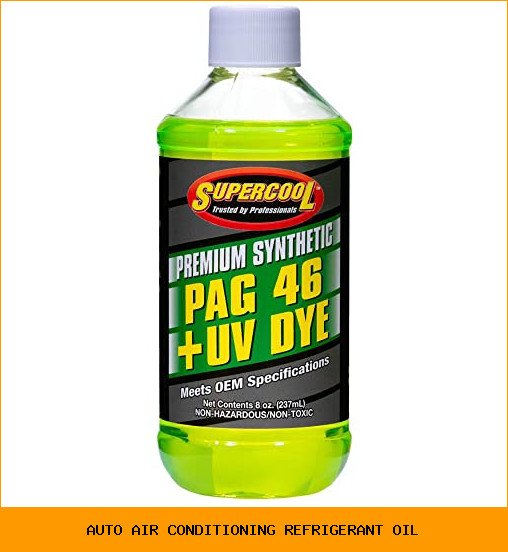
| PAG (Polyalkylene Glycol) Oil | R134a refrigerant | Excellent lubrication and miscibility with R134a | Automotive air conditioning |
| POE (Polyol Ester) Oil | HFOs and HFCs (R1234yf, R410A) | High thermal stability and miscibility with newer refrigerants | Modern automotive and residential systems |
How to Fix an Air Con Oil Leak
Step 1: Identify the Leak Location
Using visual inspection and leak detection tools such as UV dye or electronic detectors, pinpoint the exact source of the leak.
Step 2: Replace Damaged Components
Damaged seals, gaskets, hoses, or fittings should be replaced. Sometimes, the entire compressor may need replacement if severely damaged.
Step 3: Recharge Oil and Refrigerant
After repairs, the system must be recharged with the correct type and amount of oil and refrigerant to restore proper lubrication and cooling.
Step 4: Test the System
Run the system and monitor pressure levels and temperatures to ensure the leak is fixed and the system is functioning optimally.
For those interested in exploring the best products for maintaining system oil levels, consider reviewing The 7 Best Air Conditioning Compressor Oil Changes of 2026 and The 7 Best Auto Air Conditioning Oil Injectors of 2026.
Maintenance Tips to Prevent Leaks
Regular Inspection
Schedule routine inspections of seals, hoses, and compressor for signs of wear or damage.
Proper Refrigerant Charging
Avoid overcharging or undercharging refrigerant, as improper pressure can cause leaks and reduce efficiency.
Use Compatible Oils
Always use oils recommended by the system manufacturer to ensure compatibility and prevent seal degradation.
Keep the System Clean
Contaminants and moisture inside the system can accelerate wear and corrosion, leading to leaks. Use filters and dryers as recommended.
For an overview of top-quality oils that can optimize your air conditioning system’s performance, check out The 7 Best Air Con Pump Oils of 2026 and The 7 Best Air Conditioner Compressor Oil Prices of 2026.
Frequently Asked Questions
A: It is not advisable. An oil leak usually means reduced lubrication, which can cause compressor damage and lead to system failure. It’s best to address the leak promptly.
A: Costs vary depending on the leak’s source and severity. Minor seal replacements may be affordable, while compressor replacement and full system recharge can be costly. Getting a professional diagnosis is recommended.
A: Air conditioning oils are generally not highly toxic but can cause skin irritation or respiratory issues if inhaled in large amounts. Always handle oils with care and use protective equipment if necessary.
A: Typically, compressor oil is changed during major servicing or when the system is opened for repairs. Refer to your air conditioning system’s maintenance schedule or consult a professional.
A: Adding oil requires specialized equipment and knowledge to avoid overfilling or contamination. It’s best done by a qualified technician.
If you want to dive deeper into how to identify oil leaks specifically in vehicles, consider reading The 7 Best Car Air Conditioning Leaking Oil of 2026.
Conclusion
Air con oil leaks are a common but serious problem that can compromise the efficiency and longevity of air conditioning systems. Recognizing the causes, signs, and proper maintenance practices helps prevent costly repairs and ensures optimal system performance. Whether you operate a vehicle’s air conditioning or a residential system, using the correct oil type and maintaining seals and components can keep your system running smoothly.
Regular inspections, prompt repairs, and consulting with professionals when necessary are key to managing air con oil leaks effectively. For those seeking the best products to maintain or repair their systems, exploring the top-rated compressor oils, oil changes, injectors, and pump oils of 2026 can provide valuable guidance.

Eng. Kamrul Islam
Founder and product researcher
Engineer with more than 10 years of experience researching and selling products on Amazon, including his own brand on Amazon Australia. He compares specs, standards, sellers and owner feedback.
All guides by Eng. Kamrul IslamMore in ac & compressor oils
All 193 guides08 Honda Civic Air Conditioning Oil Capacity – What You Need To Know
You hop into your 2026 Honda Civic on a hot August afternoon, crank the A/C, and get warm…
 Guide
GuideAuto Air Conditioning Refrigerant Oil: How to Choose and Use the Right PAG Oil
You roll down the windows on a 95-degree day, hit the AC button, and get nothing but warm…
Can I Put Air Freshener In My Ac Unit?
Air conditioning units are essential for maintaining comfort during hot weather, but they can sometimes emit unpleasant odors.…