 Eng. Kamrul Islam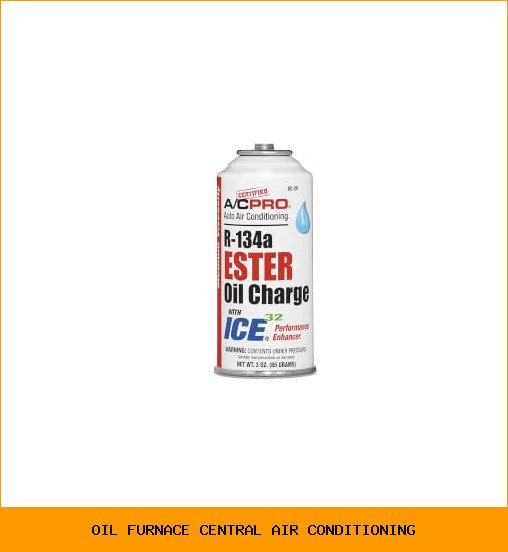
In this guide
You walk into your basement on a July afternoon. The oil furnace is silent — it’s summer, so that’s normal. But the central air conditioner outside is humming hard, and the house still feels sticky. You check the registers: barely cool air. You call a tech, and the first thing they ask is whether your system has the right oil in the compressor. That question throws you because you thought oil was only for the furnace. It’s not.
Most people assume the furnace and the air conditioner are completely separate machines. In many homes with oil heat, they share components — the same blower, the same ductwork, and sometimes the same electrical service. But the lubricant that keeps the AC compressor alive is a different animal than the heating oil in your tank. Mix them up, and you’re looking at a failed compressor and a bill north of $2,500. This article walks through the actual differences, the gotchas that pop up when oil furnace homes add central air, and exactly what kind of oil you need — and when you can get away with not changing it.

InterDynamics
Ester Charge Air Conditioner Oil, 3 Oz.
Compatibility: R-134A auto AC systems
Buy on AmazonWe’ll talk specific numbers: viscosity ratings, refrigerant types, oil charge quantities. No vague advice. You’ll know enough to have an informed conversation with your HVAC contractor, and you’ll understand why that small bottle of ester oil in the parts room matters more than most homeowners realize.
If your AC system uses R-134a refrigerant — common in older or retrofitted units — the compressor oil must match the chemistry. Polyolester (POE) oil, like the InterDynamics Ester Charge Air Conditioner Oil (3 oz.), is the standard for R-134a systems. This small bottle works for topping off after a compressor replacement or adding to a system that lost oil during a leak repair. It’s formulated to meet OEM specs and won’t gum up expansion valves the way old mineral oil can if you mix refrigerants. One bottle holds enough for most passenger-car AC systems; a residential split system might need two or three, depending on the compressor size.
Oil Furnace + Central AC: Why the Combination Creates Confusion
An oil furnace burns No. 2 heating oil. That’s a fuel, not a lubricant. It goes through the nozzle, gets atomized, and ignites. The central AC compressor, on the other hand, needs oil to reduce friction between the scrolls or pistons inside the sealed unit. The two oils are not interchangeable. If someone accidentally pours furnace kerosene into the AC service port, the compressor seizes in short order.
The confusion usually starts during a retrofit. A house with an existing oil furnace that never had air conditioning gets a new outdoor condensing unit and an indoor evaporator coil. The contractor installs the lineset, pulls a vacuum, and charges the system with R-410A or R-22. But the compressor oil is already in the compressor from the factory. That oil is either mineral oil (for old R-22) or POE (for R-410A). If the old oil type doesn’t match the new refrigerant, the system fails — the oil doesn’t circulate properly, the compressor runs hot, and the discharge temperature climbs past 250°F, which breaks down the oil chemically.
Here’s a real-world number: a typical 3-ton residential AC compressor holds about 80 to 120 ounces of oil. That’s a lot more than a car’s AC. So a 3-ounce bottle like the InterDynamics Ester Charge is strictly for top-offs, not full charges. For a full replacement, you’d need multiple bottles or a bulk container. Keep that in mind before you order.
When Do You Need to Change or Add Compressor Oil?
Most homeowners never touch the compressor oil. The system is sealed, and the oil circulates with the refrigerant. You only need to mess with it in three scenarios:
- Compressor replacement. A new compressor often ships with an oil charge, but sometimes it comes dry. You must add the correct type and quantity before startup. If you’re switching from R-22 to R-410A during a retrofit, the old mineral oil must be flushed out completely and replaced with POE oil. Leaving even 10 percent mineral oil can cause sludge and slider block failures in scroll compressors.
- Major leak repair. If a system lost its entire refrigerant charge and oil escaped with it, you’ve got to weigh how much oil was lost. Most installers drain the oil from the old compressor, measure it, and add the same amount of fresh oil. For a 10-year-old system that leaked slowly, the remaining oil may be acidic — you should replace it entirely, not just top off.
- Adding a lineset that is significantly longer than standard. Every 10 feet of extra lineset increases the oil requirement by about 1 to 2 ounces. Manufacturers specify the maximum lineset length; going beyond it without adding oil starves the compressor. Conversely, too much oil coats the evaporator coil and kills heat transfer — you lose about 30% cooling capacity for every 25% overfill.
The tricky part for oil furnace homes: the furnace itself has no bearing on these oil decisions. But if your furnace is more than 20 years old and you’re adding central AC for the first time, the contractor should verify the indoor air handler (the blower section) can handle the static pressure of a cooling coil. Many old oil furnaces used belt-drive blowers that run at lower speeds. Modern AC coils are denser and need higher static pressure. If the blower can’t push enough air, the evaporator coil gets too cold, the suction pressure drops, and liquid refrigerant can slug back into the compressor — which washes the oil off the bearings. That’s a compressor killer. So the oil issue is downstream of the airflow problem.
Mineral Oil vs. POE Oil vs. Ester Oil: What Fits Where
Mineral oil was the standard for decades with R-12 and R-22 refrigerants. It is cheap, stable, and lubricates well — as long as the refrigerant stays where it belongs. But mineral oil refuses to mix with R-134a or R-410A. It forms separate layers, so the compressor runs without proper lubrication. That’s where polyolester (POE) oil comes in. POE is miscible with HFC refrigerants like R-134a and R-410A. It carries the oil droplets through the system and back to the compressor.
Ester oil is a specific subset of POE. The InterDynamics Ester Charge product is a POE-based oil. Some contractors call all POE oil ‘ester oil’ because the chemical backbone is an ester linkage. The important thing: ester/POE oil is hygroscopic — it absorbs moisture from the air aggressively. If you open a bottle and leave the cap off for an hour, that oil can absorb enough water to form acid in the compressor when it heats up. That’s real: the moisture threshold for POE is around 50 parts per million. Open a new bottle, use it immediately, and reseal it or discard any leftover.
| Oil Type | Best For | Miscible With | Moisture Sensitivity | Typical Use |
|---|---|---|---|---|
| Mineral oil | R-22, R-12 systems | CFCs, HCFCs only | Low | Older retrofit systems that stay on R-22 |
| POE (ester) oil | R-134a, R-410A, R-404A | HFCs, blends | High (hygroscopic) | All modern residential AC and auto AC |
| Alkylbenzene oil | R-12 retrofits to R-134a | Partial with R-134a | Medium | Old conversion attempts (not recommended today) |
A quick note about the ‘variety of styles’ claim on the InterDynamics bottle: it means the same ester oil formulation works across different AC system types — automotive, residential, and light commercial. The viscosity is typically ISO 32 or 46, which matches most scroll and reciprocating compressors. Some compressors need ISO 100 for very high discharge temperatures, but that’s rare in residential units under 5 tons.
How to Check If Your Oil Furnace AC System Has the Right Oil
You can’t see the oil inside the compressor. You can look at the compressor nameplate, which often lists the oil type and quantity. For example, a Copeland scroll compressor tag might read ‘Charge with POE ISO 32 – 80 oz.’ If the tag is missing or faded, check the manufacturer’s documentation. If you’ve got none, an HVAC tech can take an oil sample from the service port. They use a small valve to extract a few milliliters and test it with an acid test kit or simply look at the color. Clear or light yellow oil is fresh; dark brown or black means it’s cooked. Burnt oil smells like varnish.
For homes where the AC was added years after the oil furnace was installed, the odds of the wrong oil are higher if the job was done cheap. Look for a mismatched lineset: if the outdoor unit is R-410A (manufactured after 2026) and the indoor coil is an old R-22 model that was not flushed, the oil is likely mineral oil. That system will fail. The fix is a full flush with a solvent like RX-11, then new POE oil and a filter drier. That’s a $600-$900 job, but cheaper than a new compressor.
One more thing: never mix different brands of POE oil unless the manufacturer says it’s okay. The additive packages vary. Mixing can cause foaming, which leads to oil starvation at start-up. Stick with one brand for the life of the system. The InterDynamics bottle is handy for top-offs because it’s a single-use size and you won’t have leftover to contaminate.
Five Questions People Ask About Oil Furnace Central Air Conditioning
Can I use the same oil for my oil furnace burner and my AC compressor?
No. The furnace burner uses heating oil (kerosene or diesel-like fuel) with no lubricity requirements. The AC compressor uses a dedicated refrigerant oil. Putting heating oil into the AC system will ruin the compressor within minutes because it lacks the viscosity and chemical stability needed at high pressures and temperatures. Never swap them.
Does the oil furnace affect the AC’s oil requirement?
Only indirectly. The furnace’s blower moves air across the AC evaporator coil. If the blower motor or belt is weak (common on older oil furnaces), airflow drops, the coil gets too cold, and liquid refrigerant can flood back to the compressor. That washes the oil off the bearings. So the furnace condition affects whether the oil stays where it belongs, but it doesn’t change what oil type you need.
How much does it cost to replace compressor oil in a residential AC?
If you’re just adding oil during a compressor swap, the oil itself costs about $10 to $30 per bottle. The labor is the big part — maybe $200 to $500 for the flush and recharge, depending on refrigerant type. If the system uses R-22, expect higher costs because the refrigerant is phased out and expensive. You might be better off replacing the whole system instead of patching an old one.
Can I add ester oil to an R-22 system without flushing the old mineral oil?
You can, but it’s risky. POE and mineral oil do not mix well. They form a milky emulsion that degrades lubrication. Some techs add a small amount of ester oil during a retrofit to help flush mineral oil out, but they always remove as much old oil as possible. Just topping off with ester oil in a mineral oil system is a bad idea. The system will run for a while, then fail — usually just after the warranty expires.
Is a 3-ounce bottle of ester oil enough for a 3-ton residential AC compressor?
No. A 3-ton compressor needs 80 to 120 ounces. The InterDynamics 3-ounce bottle is designed for automotive AC systems, which typically hold 4 to 10 ounces. For a residential system, you’d need 30 to 40 of those bottles to fill it from empty. That’s not practical. Use the 3-ounce size only for small top-offs — for example, if you replaced an accumulator or a hose and lost about 2-3 ounces of oil. For a full charge, buy a 32-ounce or gallon container of POE oil.
What to Walk Away Knowing
- Oil furnace fuel and AC compressor oil are completely different substances. Never confuse them.
- Modern AC systems with R-410A or R-134a require POE (ester) oil. Old R-22 systems use mineral oil. Mixing them kills compressors.
- If you add central AC to a house with an oil furnace, have the HVAC contractor verify the blower can handle the airflow. Weak airflow destroys compressor oil distribution.
- Use the InterDynamics Ester Charge 3-oz bottle only for top-offs on small systems like car AC or mini-splits. For a full residential charge, you need a much larger quantity.
- Always check the compressor nameplate for the specified oil type and quantity. If the tag is gone, take an oil sample and test it.
- Replace compressor oil after a major leak or compressor failure. Don’t just top off if the old oil is dark or smells burnt.
- Keep ester oil containers sealed until the moment you use them. Moisture ruins POE oil faster than most people realize.

Eng. Kamrul Islam
Founder and product researcher
Engineer with more than 10 years of experience researching and selling products on Amazon, including his own brand on Amazon Australia. He compares specs, standards, sellers and owner feedback.
All guides by Eng. Kamrul IslamMore in ac & compressor oils
All 193 guides Guide
GuideAuto Air Conditioning Refrigerant Oil: How to Choose and Use the Right PAG Oil
You roll down the windows on a 95-degree day, hit the AC button, and get nothing but warm…
The 7 Best Air Con Compressor Oils of 2026
**Discover the top air con compressor oils of 2026 that ensure optimal performance and longevity of your air…
The 7 Best Air Con Oil R134a of 2026
With advancements in automotive cooling solutions, selecting the best air con oil for R134a systems has never been…