 Eng. Kamrul Islam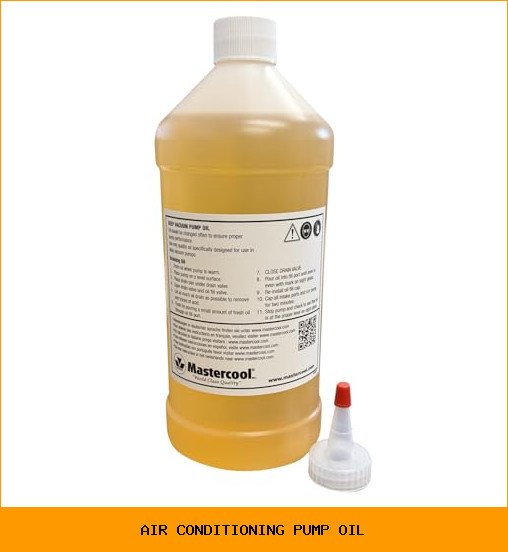
In this guide
You hook up your vacuum pump to a freshly installed system, flip the switch, and wait. The gauge needle barely moves. You check the hoses, check the connections, check the Schrader cores. Everything looks right. But the pump sounds a little labored, a little sluggish. You pop the oil fill cap and the sight glass shows a cloudy, dark liquid that’s been sitting in there way too long. That’s the moment you realize: the pump is starving for decent oil.
Vacuum pump oil is not just a lubricant. It seals the internal clearances, carries away heat, and protects the pump against moisture and acid. Using the wrong oil or neglecting changes is the fastest way to turn a good pump into a pile of scrap metal. This article covers what that oil actually does, how to pick the right one, and how often you should swap it. By the end you’ll know exactly what to look for in a bottle and why viscosity matters more than most guys think.

Mastercool
Mastercool 90032 32 oz Vacuum Pump Oil
✔️ HIGH VISCOSITY FORMULATION – Designed for deep vacuum pump service to help maintain proper sealing and dependable pump performance during evacuation work
Buy on AmazonOne bottle that handles all of that well is the Mastercool 90032 Vacuum Pump Oil. It’s a 32-ounce container with a built-in spout for easy pouring, and the formula is a high-viscosity clear oil built for deep vacuum work. The clear color lets you see contamination through the sight glass instantly, which is a small thing that saves a lot of guesswork.
What Vacuum Pump Oil Actually Does Inside Your Pump
Most people think pump oil is just grease for the moving parts. It’s not. The oil in a rotary vane vacuum pump serves three critical jobs at once:
- Sealing: The oil film fills the gap between the rotor, vanes, and housing. That thin layer is what lets the pump pull down to 50 microns or lower. Without proper sealing, you get back-leakage and the pump never reaches deep vacuum.
- Lubrication: The vanes slide in and out of rotor slots at high speed. Without oil, they wear out in minutes. The oil reduces friction and prevents galling on the stator bore.
- Cooling and flushing: The oil absorbs heat from compression and carries it to the pump housing where it dissipates. It also picks up moisture and acid from the refrigerant system and suspends them so they don’t attack metal surfaces.
A good oil does all three without breaking down under high heat. Most HVAC vacuum pumps run between 140 and 180°F during a long evacuation. Cheap or wrong oil can oxidize, thicken, or turn to sludge at those temperatures. Once that happens, the pump loses its ability to pull deep vacuum, and you start chasing leaks that aren’t there.
How to Choose the Right Oil: Viscosity, Base Stock, and Additives
Vacuum pump oils come in different viscosities, typically graded as ISO 32, 46, 68, or 100. The number refers to the kinematic viscosity in centistokes at 40°C. For refrigerant evacuation, ISO 46 or 68 is the sweet spot for most rotary vane pumps operating in moderate climates.
Why not thicker? Higher viscosity oil (like ISO 100) seals better at high temperatures and reduces internal leakage, but it also increases drag on the motor, heats up faster, and can make cold-weather starts harder. Lower viscosity oil (ISO 32) flows easily in cold weather and reduces startup wear, but it may not seal as well at higher temperatures or in worn pumps. The Mastercool 90032 uses a high-viscosity formulation that sits around the ISO 68 range, which is a solid match for deep vacuum pumps that run hot during long pulls.
Base stock matters too. Most good vacuum pump oils are highly refined mineral oils with low vapor pressure. Some companies add anti-oxidation and anti-foaming agents. A few offer synthetic blends that resist breakdown even longer, but they cost more and don’t do anything extra for the actual evacuation if you change oil regularly. For typical HVAC service, a high-quality mineral oil with proper additives is all you need.
One thing to check: the oil should be labeled specifically for vacuum pumps, not general-purpose compressor oil. Compressor oils often contain detergents or extreme-pressure additives that foam inside a vacuum pump and ruin the seal. Stick with oil made for the job.
When and How to Change Vacuum Pump Oil
There are two schools of thought. One says change the oil every 4 to 6 hours of run time. The other says change it when the oil looks dirty or after every 10 to 15 evacuations. Both are reasonable, but I lean toward the time-based rule because oil degrades from heat cycling even if the pump isn’t sucking refrigerant all day.
A typical residential A/C evacuation takes 30–45 minutes. So after about 8 to 12 jobs, you’re due for an oil change. If you’re working on systems with burnouts, contaminated compressors, or flooded evaporators, change the oil after every job. The same goes for auto A/C work where moisture is common.
Here’s how to do it properly:
- Run the pump for a couple minutes to warm the oil. Warm oil drains faster and carries more suspended junk.
- Shut off the pump and remove the oil fill cap. Tip the pump over its drain port (most have a dedicated drain, some use the fill port) into a waste container.
- Let it drip for a minute or so. Tilt the pump to get the last few drops out.
- Replace the drain plug, then fill with fresh oil to the sight glass midpoint. Don’t overfill – it causes foaming and oil ejection.
- Replace the fill cap and run the pump for 30 seconds with the inlet open to atmosphere, then shut it off and recheck the oil level. Top off if needed.
That’s it. The whole process takes less than three minutes and can save you a $400 pump rebuild down the road.
Comparing Common Vacuum Pump Oil Options
Not every oil behaves the same. Here is a quick comparison of the main categories you’ll find on the shelf. Prices fluctuate, so check current rates on Amazon before buying.
| Type | Viscosity (ISO) | Best Use | Trade-offs |
|---|---|---|---|
| Standard mineral (e.g., Mastercool 90032) | 68 | All-around HVAC, auto A/C | Good thermal stability, clear for sight glass; not synthetic but durable enough for routine changes |
| High-viscosity mineral | 100 | Hot climates, older pumps with wear | Better sealing at high temp, but harder to start in cold weather, more drag |
| Synthetic blend | 46–68 | Extended change intervals, severe duty | Costs 2–3x more; doesn’t improve vacuum depth, just lasts longer before breaking down |
| Generic compressor oil | Varies | NOT recommended | Foams easily, contains additives that gum up vanes, can cause seal failure |
Notice the Mastercool 90032 sits in the first row. It’s not flashy, but it does exactly what a service technician needs: provide consistent sealing and high-temperature stability without breaking the bank. The clear formula is a genuine bonus for anyone who actually looks at their sight glass (and you should).
Frequently Asked Questions About A/C Pump Oil
Can I use motor oil or transmission fluid in my vacuum pump?
No. Do not do that. Motor oils contain detergents and viscosity modifiers that foam violently under vacuum. Transmission fluid has additives that attack the seals inside most vacuum pumps. You’ll get poor vacuum readings and potential damage. Use only oil labeled for vacuum pump service.
How can I tell if my vacuum pump oil is bad?
Look at it. Fresh oil is clear or slightly amber. If it looks milky, it has water emulsion. Dark brown or black means it’s oxidized and loaded with acid. Also check the smell – a burnt odor means the oil has overheated. If it’s any of those, change it immediately. A quick test: drop a few drops onto a clean paper towel. Good oil spreads evenly. Bad oil leaves a dark ring with a lighter center.
Does using a higher-viscosity oil always give better vacuum?
Not always. Higher viscosity seals better in worn pumps or at high temperature, but it also increases internal drag, which can reduce the pump’s ultimate vacuum because the motor struggles to spin the rotor. For most modern pumps in good condition, ISO 46 or 68 is ideal. Going to ISO 100 may actually hurt performance in cold weather because the oil is too thick to flow into the vane slots.
How often should I change the oil if the pump sits unused for months?
Change it before you use it again. Oil absorbs moisture from the air over time, especially if the pump’s inlet is left open. Even if the pump hasn’t run, the oil can degrade from temperature swings and condensation. Drain the old oil, refill with fresh, and run the pump for a minute before you connect it to any system.
Is it okay to mix different brands of vacuum pump oil?
It’s not ideal. Different manufacturers use different additive packages. Mixing them can cause foaming, reduced thermal stability, or chemical reactions that form sludge. If you have to top off between changes, stick with the same brand and formula. Otherwise, drain and replace entirely.
What to Take Away From All This
- Use only oil made for vacuum pumps. General compressor oil or motor oil will cause problems.
- Viscosity matters. For most HVAC and auto A/C work, ISO 46 or 68 is correct. The Mastercool 90032 is a solid ISO 68 choice.
- Change oil after 4–6 hours of run time, or immediately after working on a contaminated system.
- Always warm the pump before draining to get more junk out.
- Check the sight glass before every evacuation. Clear oil = good. Cloudy or dark oil = change it.
- Store the pump with the inlet capped and the oil fill cap tight to keep moisture out.
- Buy a bottle with a built-in spout (like the Mastercool 90032) so you don’t spill oil all over the pump and your toolbox. That spout alone saves more hassle than most people expect.
Vacuum pump oil is a cheap consumable. A $12 bottle of the right stuff can protect a $600 pump for years. Skimping on it is just bad math.

Eng. Kamrul Islam
Founder and product researcher
Engineer with more than 10 years of experience researching and selling products on Amazon, including his own brand on Amazon Australia. He compares specs, standards, sellers and owner feedback.
All guides by Eng. Kamrul IslamMore in ac & compressor oils
All 193 guidesHow Cool Should My House Be If It’S 92 Outside?
With the summer heat hitting hard, many homeowners find themselves asking, “How cool should my house be if…
 Guide
GuideAdding Air Conditioning to Your Oil Furnace: What Actually Works
It’s July, the house is 85 degrees, and you’re standing next to your oil furnace wondering if it…
What Calms Down Bronchitis?
Bronchitis, an inflammation of the bronchial tubes that carry air to and from the lungs, can be a…