 Eng. Kamrul Islam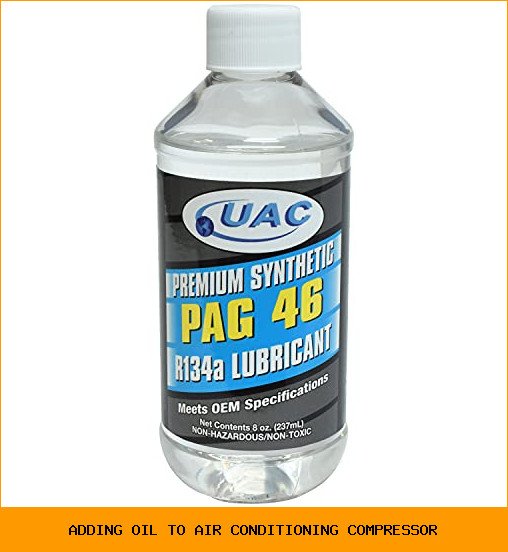
In this guide
You turn on the AC. Warm air blows out. The compressor cycles fast and sounds rough. Maybe it stops altogether. If you know your system isn’t leaking refrigerant, low compressor oil is a likely culprit.
Adding oil to an air conditioning compressor isn’t hard. But you have to get two things right: the oil type and the oil amount. Get either wrong and you risk killing the compressor or contaminating the whole system. This guide walks you through why compressor oil matters, what kind to use, how to add it safely, and what to avoid.

UAC
Universal Air Conditioner RO 0900B Refrigerant Oil
Fit type: Vehicle Specific;Fit Type: vehicle specific
Buy on AmazonBy the end you’ll know exactly what to buy and how to do the job. No guesswork. No wasted time.
If you need a solid, affordable oil for most R-134a automotive systems, the Universal Air Conditioner RO 0900B Refrigerant Oil from UAC is a good pick. It’s a PAG 46 oil that works with many compressors. You can grab a bottle while you’re reading this. It takes a minute.
Why compressor oil matters
The compressor is the heart of your AC system. It pumps refrigerant and needs oil to lubricate moving parts. Without enough oil, the compressor seizes. Too much oil and the system can’t cool properly — flooded crankcases reduce efficiency and can slug the compressor.
Compressor oil does more than lubricate. It also carries heat away from internal parts, seals the compression chamber, and keeps the expansion valve happy. Different refrigerants need different oil chemistries.
R-134a systems almost always use PAG (polyalkylene glycol) oil. R-1234yf systems use a special PAG oil with different additives. Old R-12 systems used mineral oil. Mixing types is a fast way to ruin a compressor. Never mix mineral oil with PAG — they separate and form sludge.
PAG oils come in different viscosities: PAG 46, PAG 100, PAG 150. The number indicates thickness at a standard temperature. Most modern automotive compressors for R-134a call for PAG 46. Some larger compressors or certain makes use PAG 100 or PAG 150. Check your compressor label or the service manual before buying.
Some retrofitted systems (old R-12 converted to R-134a) use ester oil instead of PAG. Ester oil is compatible with both mineral oil and PAG, which makes it a safe choice for conversions. But if your system was built for R-134a from the factory, stick with PAG.
Condenser and evaporator replacements usually get the oil type and amount from the original part. If you’re replacing a compressor, the new one might come pre-charged with oil. Don’t add extra unless you know the system needed it.
How to check the oil level
Most AC compressors don’t have a dipstick. You can’t just pull a stick out and read the level. That makes checking oil a little indirect.
On some compressors you can turn the clutch hub by hand (with the engine off, belt removed or loose) and feel for oil resistance. A dry compressor spins easily with almost no drag. A properly oiled compressor has a slight resistance. That’s a rough test at best.
The proper way to check oil level on a compressor removed from the car is to drain it into a graduated container. Remove the compressor, pour the oil out, measure it. Compare that against the spec. If you drained 40 ml and the spec says the system should have 150 ml total, you need to figure out where the rest went — probably in the condenser, evaporator, or accumulator.
For most DIY jobs, the practical approach is to add oil after evacuating the system. You’ll need a vacuum pump and a manifold gauge set. When you pull a vacuum, you can add oil through the low-side service port using a graduated injector or even a clean syringe.
I’ve seen people try to pour oil into the compressor intake port with the system open. That works if you’re replacing the compressor and the rest of the system is already empty. But you must know the total system oil capacity and subtract what’s still in the rest of the parts.
The typical method: replace the compressor, add the amount of oil the new compressor recommends, then add a small amount for the replaced parts (condenser, evaporator, accumulator) based on their size. Many compressor manufacturers give a specific oil charge amount. Stick to it.
What if you’re just topping off because your system is low on refrigerant and you know it lost some oil in the leak? Add about 15-30 ml (0.5-1 oz) of the correct oil for every 0.5 kg (1 lb) of refrigerant lost. That’s an estimate. It’s better to err on the low side.
Comparison of common compressor oil types
Here’s a table that shows the most common oils and what they’re used for. It’ll help you pick the right one.
| Oil Type | Common Viscosity Grades | Typical Refrigerant | Application Notes |
|---|---|---|---|
| PAG 46 | 46 | R-134a | Most GM, Ford, Honda, Toyota compressors. Standard for many aftermarket units. |
| PAG 100 | 100 | R-134a | Some Mercedes, BMW, and high-pressure compressors. Check manual. |
| PAG 150 | 150 | R-134a | Older Nissan, some commercial vehicles. Thick oil for heavy-duty. |
| PAG YF | 46 or 100 | R-1234yf | Newer cars (2026+). Marked specifically for R-1234yf. Do not use regular PAG. |
| Ester (POE) | 32, 46, 68 | R-134a, R-12 | Retrofit conversions. Compatible with mineral oil residue. |
| Mineral Oil | 150, 300 | R-12 | Old systems only. Never mix with PAG. |
The UAC RO 0900B is a PAG 46 oil. It covers most domestic and Asian compressors using R-134a. If your compressor calls for PAG 100 or PAG 150, don’t grab this bottle. Read the sticker on your compressor.
Step-by-step: adding oil to an air conditioning compressor
Let’s walk through the process for the most common DIY scenario — replacing a compressor or adding oil during a repair. You’ll need a few tools: vacuum pump, manifold gauges, oil injector (or a clean graduated syringe), the right oil, safety glasses, and gloves.
Step 1: Recover the refrigerant. You must capture existing refrigerant. Venting is illegal in most places and bad for the environment. Use a recovery machine or take it to a shop.
Step 2: Remove the old compressor (if replacing). Drain its oil into a measuring cup. Compare to expected amount. Note that some oil stays in the clutch and case — don’t expect to get every drop. If you’re only adding oil to an existing compressor, skip to Step 4.
Step 3: Determine the total system oil capacity. Look it up in the service manual or on the part manufacturer’s website. For example, a common 2026-2026 Honda Civic AC system holds about 150 ml (5 oz) of PAG 46 total. Subtract the oil already in the parts you kept (condenser, evaporator, lines, accumulator). If you kept the condenser and it typically holds 30 ml, keep that in mind. Add the difference to the new compressor before installing it.
Step 4: Add oil to the compressor. If it’s a new compressor, pour the recommended amount into the suction port (the larger port) while rotating the clutch hub slowly by hand to distribute the oil. If the compressor is already installed, inject oil through the low-side service port after pulling a vacuum. Use an oil injector tool — they’re cheap and prevent air from entering the system.
Step 5: Evacuate the system. Hook up your vacuum pump and pull a deep vacuum (500 microns or lower) for 30-45 minutes. This boils off any moisture and checks for leaks. If the vacuum holds steady, you’re good.
Step 6: Charge with refrigerant. Follow the correct weight-based charge for your vehicle. Running pressure-based charging isn’t accurate enough for modern systems. Weigh the refrigerant can.
Step 7: Run the system. Start the engine, turn AC to max, check vent temperatures. They should drop to 40-50°F (4-10°C) on a warm day. If the compressor cycles fast or sounds noisy, you may have overfilled oil. Some compressors need a break-in period — run for 10 minutes, then re-check pressures.
One detail that tripped me up the first time: you have to add oil before you evacuate. If you pour oil in after the vacuum, air gets in. Order matters.
FAQ: common questions about adding compressor oil
Can I add too much oil to the compressor?
Yes. Overfilling reduces cooling efficiency and can cause compressor failure. Extra oil sits in the condenser and reduces heat transfer. In extreme cases, the oil floods the compressor and causes hydraulic lock. Stick to the manufacturer’s oil capacity. If you aren’t sure, add less — a little low is better than a little high.
What happens if I use the wrong type of oil?
The oil will separate or break down inside the system. Mixing mineral oil with PAG forms sludge that blocks the expansion valve and ruins the compressor. Using the wrong viscosity thickens or thins out at operating temperatures, leading to poor lubrication. Always match the oil type and viscosity to the refrigerant and compressor specs.
Do I need to add oil when replacing a compressor?
Almost always, yes. New compressors often come with enough oil for the compressor alone, but the rest of the system (condenser, evaporator, accumulator) still holds some old oil. You must either drain and measure the old oil or look up the total system capacity and subtract the oil still in the original parts. Many compressor manufacturers provide an oil charge chart.
Can I add oil without a vacuum pump?
Technically you can pour oil into the compressor suction port if the system is open. But you won’t be able to evacuate moisture and air afterward. That moisture will cause acid formation and corrosion. A vacuum pump is mandatory for a proper repair. No shortcut there.
How do I know if my compressor is low on oil?
Signs include a noisy compressor (knocking or rattling), high discharge pressure with low suction pressure, or rapid cycling because the internal thermal overload is tripping. The best way to confirm is to drain the oil from the old compressor and measure it. On a working system, there’s no reliable field test — you need to know the service history.
Things to remember
- Always use the oil type and viscosity specified for your compressor and refrigerant. Look on the compressor label or in the service manual.
- Measure total system capacity before adding. Too little oil causes wear. Too much kills cooling.
- Add oil to the compressor before pulling a vacuum. Inject through the low-side port or pour into the suction port.
- Rotate the clutch hub slowly when adding oil to a new compressor to avoid air pockets.
- Buy oil from a reputable brand like UAC — the RO 0900B is a PAG 46 that fits many common vehicles. Check current price on Amazon.
- If your system uses R-1234yf, buy the specific PAG YF oil. Regular PAG won’t work.
- When in doubt, take the car to a shop with experience. A seized compressor costs a lot more than a service call.

Eng. Kamrul Islam
Founder and product researcher
Engineer with more than 10 years of experience researching and selling products on Amazon, including his own brand on Amazon Australia. He compares specs, standards, sellers and owner feedback.
All guides by Eng. Kamrul IslamMore in ac & compressor oils
All 193 guidesAre Air Wick Oils Safe For Cats
As a pet owner, ensuring the health and safety of your furry companions is always a top priority.…
 Guide
GuideAir Conditioning Jobs on Oil Rigs: What HVAC Technicians Need to Know
Picture this: you are an HVAC technician used to working in residential attics and commercial rooftops. The heat…
The 7 Best Essential Oils on HVAC Filters of 2026
Discover the seven best essential oils for HVAC filters going into 2026. Enhance your air conditioning experience by…