 Eng. Kamrul Islam
 In this guide
Hydraulic systems play a crucial role in various industries, leveraging the power of fluids to transmit force and perform work. Central to these systems are hydraulic oils and filters, which ensure optimal performance and longevity. Understanding the significance of hydraulic oil and filter maintenance can vastly improve the efficiency of your machinery and reduce operational costs. This comprehensive guide will delve into everything you need to know about hydraulic oils and filters, covering types, maintenance tips, and more.
DICMIC
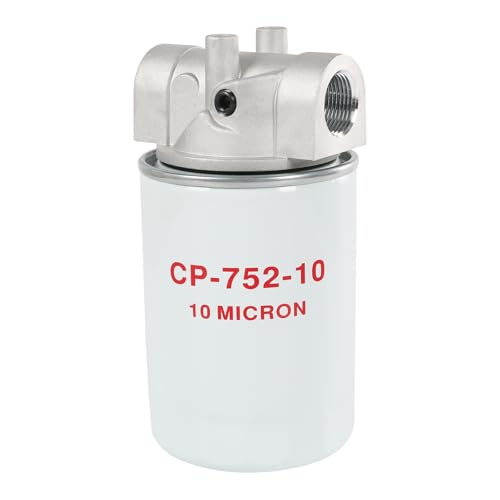
DICMIC 10 Micron Hydraulic Oil Filter Assembly, Spin-On Design, Return Line Filter with Indicator Port, 20 GPM Flow Rate, 200 PSI, 3/4" NPTF Port, Replace# 221006
[HYDRAULIC OIL FILTER] The 10-micron hydraulic oil filter assembly is designed to remove contaminants from petroleum-based, high water, water glycols, and water/oil emulsions fluids, it's best suited for cleaning petroleum-based fluids
Buy on AmazonTable of Contents
- Types of Hydraulic Oil
- Understanding Hydraulic Filters
- Maintenance Tips for Hydraulic Oils and Filters
- Common Issues with Hydraulic Oil and Filters
- FAQ
- Conclusion
Types of Hydraulic Oil
Hydraulic oils are typically classified into several categories based on their composition and properties. Below are some common types:
Mineral-Based Hydraulic Oils
Mineral-based hydraulic oils are derived from refining crude oil. They are the most commonly used hydraulic fluids due to their excellent lubricating properties and cost-effectiveness. However, they may not be suitable for high-temperature applications.
Synthetic Hydraulic Oils
Synthetic hydraulic oils are artificially manufactured fluids designed to offer superior performance. They provide better lubrication at extreme temperatures and can be more environmentally friendly, making them ideal for specific applications.
Biodegradable Hydraulic Oils
These oils are made from renewable resources and are designed to break down naturally in the environment. They are particularly useful in industries where spills are likely to occur, and environmental impact is a significant concern.
Water-Based Hydraulic Fluids
Water-based fluids can offer significant fire resistance and are often used in applications where fire hazards are a concern. However, they do require special handling and equipment to maintain their properties.
Understanding Hydraulic Filters
Hydraulic filters play a vital role in maintaining the cleanliness of hydraulic oil. They remove contaminants and particles that can cause wear and tear on hydraulic components.
Types of Hydraulic Filters
There are several types of hydraulic filters, each designed for specific applications:
Pressure Filters
Pressure filters are used in high-pressure hydraulic systems to ensure that the fluid entering components is clean and free of debris. They are typically installed close to the pump or within the system to protect sensitive components.
Return Filters
Return filters are located in the return line of a hydraulic system and filter the fluid before it returns to the reservoir. They help maintain the cleanliness of the hydraulic oil and are crucial for preventing contamination.
Suction Filters
Suction filters are placed on the intake side of the hydraulic pump to prevent larger particles from entering the pump. They are essential for protecting the pump and ensuring efficient operation.
Filter Elements
Hydraulic filters contain various filter elements, which can vary widely in design and material. Common materials include paper, polyester, and metal. The choice of filter element depends on the application and the level of filtration required.
Maintenance Tips for Hydraulic Oils and Filters
Proper maintenance of hydraulic oils and filters not only extends the life of your equipment but also enhances performance. Here are some essential maintenance tips:
Regular Oil Changes
Frequent oil changes are crucial for removing contaminants and debris that accumulate over time. Always follow the manufacturer’s guidelines for oil change intervals.
Monitor Oil Quality
Use oil analysis to monitor the condition of hydraulic oil. Look for indicators such as viscosity, acidity, and the presence of particles. This data can help you make informed decisions about oil replacement.
Inspect Filters Regularly
Routine inspection of filters is necessary to ensure they are not clogged. Replace filters based on usage, pressure drops, and manufacturer guidelines.
Check for Leaks
Regularly inspect the hydraulic system for leaks. A leak not only reduces efficiency but can also lead to contamination of the hydraulic oil.
Common Issues with Hydraulic Oil and Filters
Understanding the common issues related to hydraulic oils and filters can help you take proactive measures.
Contamination
Contamination is one of the leading causes of hydraulic system failure. Dust, dirt, and moisture can compromise the oil’s effectiveness. Regular filtration and maintenance can mitigate these risks.
Oil Degradation
Over time, hydraulic oil can degrade due to heat and oxidation, losing its lubricating properties. Regular oil analysis can help detect degradation early.
Filter Clogging
When filters become clogged, they can restrict oil flow, leading to increased pressure and potential system failure. Regular inspections and timely replacements are crucial.
Heat Generation
Excessive heat in the hydraulic system can lead to oil breakdown and component damage. Ensure proper cooling systems are in place and monitor oil temperatures.
FAQ
A: It depends on usage and manufacturer guidelines, but a general rule is to change it every 1,000 to 2,000 hours of operation or annually.
A: Look for increased pressure drops, reduced system performance, and visual signs of contamination or clogging.
A: Mixing different hydraulic oils is not recommended as it can lead to chemical reactions that may degrade performance and lead to system failures.
Conclusion
Understanding hydraulic oils and filters is crucial for the efficient operation of hydraulic systems. Regular maintenance, timely replacements, and monitoring the quality of hydraulic fluids are key practices that can significantly impact performance and longevity. By adhering to these guidelines, you can minimize downtime and ensure that your hydraulic systems operate smoothly. For more insights on hydraulic oils, check out resources such as The 7 Best Hydraulic Oil 0.9 kg of 2026, The 7 Best Hydraulic Oil 32 vs 46 or 68 of 2026, The 7 Best Hydraulic Fluid ZH-M Mercedes of 2026, The 7 Best febi bilstein Central Hydraulic Oils 06161 of 2026, and The 7 Best Hydraulic Oil 46 Grade of 2026 for more detailed information and product recommendations.
Related pick: Check today's price on Amazon

Eng. Kamrul Islam
Founder and product researcher
Engineer with more than 10 years of experience researching and selling products on Amazon, including his own brand on Amazon Australia. He compares specs, standards, sellers and owner feedback.
All guides by Eng. Kamrul IslamMore in hydraulic oils
All 225 guidesThe 7 Best Hydraulic Oil 220 of 2026
Choosing the right hydraulic oil is crucial for the optimal performance and longevity of your hydraulic systems. With…
Can Hydraulic Oil
Hydraulic oil plays a fundamental role in the operation of hydraulic systems, which are widely used in industries…
Will Motor Oil Work As Hydraulic Fluid
Motor oil and hydraulic fluid serve distinct purposes, yet many people wonder if motor oil can substitute for…