 Eng. Kamrul Islam
 In this guide
Air conditioners are essential appliances that provide comfort during hot seasons, but maintaining their performance requires understanding several key aspects, including when and how often to recharge them. One common question among homeowners and vehicle owners alike is how often air conditioner recharge should be performed to ensure optimal cooling efficiency and longevity of the system. Proper recharging not only keeps the AC running smoothly but also prevents potential damages caused by refrigerant leaks or compressor issues.
Table of Contents
- Understanding Air Conditioner Recharge
- Signs You Need an Air Conditioner Recharge
- How Often Should You Recharge Your Air Conditioner?
- Importance of Using the Right Oil in AC Systems
- Recharging Process Step-by-Step
- Common Mistakes to Avoid During AC Recharge
- Frequently Asked Questions
- Conclusion
Understanding Air Conditioner Recharge
Air conditioners function using refrigerants and lubricating oils to transfer heat and maintain cool temperatures. Over time, the refrigerant can diminish due to leaks or natural system wear, which reduces cooling efficiency. Recharging refers to the process of adding refrigerant back into the AC system to restore its cooling capacity.
The Role of Refrigerant and Oil
Refrigerants absorb heat inside the AC unit and release it outside, enabling the cooling process. Alongside refrigerants, air conditioning oils lubricate the compressor and other moving parts, ensuring smooth operation and preventing wear.
Types of Refrigerants
Modern ACs typically use refrigerants such as R-134a or the newer R-1234yf, which are more environmentally friendly than older types like R-22. The type of refrigerant determines the oil compatibility and recharge procedures.
Signs You Need an Air Conditioner Recharge
Knowing when to recharge your air conditioner can save you from costly repairs and discomfort during hot days. Here are common indicators that your AC may require a recharge:
- Reduced Cooling Efficiency: The AC is not blowing cold air as it used to.
- Longer Cooling Cycles: The system runs longer than usual to reach the desired temperature.
- Ice Formation: Ice buildup on the evaporator coils or refrigerant pipes.
- Hissing or Bubbling Noises: Sounds indicating possible refrigerant leaks.
- Increased Energy Bills: A spike in electricity consumption due to inefficient cooling.
How Often Should You Recharge Your Air Conditioner?
The frequency of air conditioner recharge depends largely on the system’s condition and usage. Unlike other maintenance tasks, recharge is not typically scheduled but performed based on necessity.
Factory Recommendations and Regular Use
Most manufacturers do not recommend routine recharging unless there is a refrigerant loss. For residential or vehicle air conditioners, a recharge is usually required every 2 to 4 years, but only if leaks or performance drops are detected.
Factors Influencing Recharge Frequency
| Factor | Description | Impact on Recharge Frequency |
|---|---|---|
| System Age | Older units may develop leaks or wear faster. | Recharge may be needed more often, especially after 5+ years. |
| Usage Intensity | Heavy use in hot climates causes more strain. | May require more frequent inspections and possible recharges. |
| Maintenance Practices | Regular servicing and leak repairs reduce recharge necessity. | Extends time between recharges. |
| Leak Presence | Leaks lead to refrigerant loss, requiring recharge. | Immediate recharge after leak repair. |
Importance of Using the Right Oil in AC Systems
While refrigerant is the star of the cooling process, lubricating oil plays a critical supporting role. The oil lubricates the compressor, preventing friction and overheating.
Types of Air Conditioning Oils
There are several types of oils compatible with different refrigerants:
- PAG Oil (Polyalkylene Glycol): Used primarily with R-134a refrigerant in automotive ACs.
- POE Oil (Polyolester): Compatible with newer refrigerants like R-1234yf.
- Mineral Oil: Used with older R-12 refrigerant systems.
Choosing the wrong oil type can cause poor lubrication, compressor failure, or incompatibility with refrigerants.
Oil Capacity and Maintenance
Each AC system requires a specific oil capacity, usually specified in the owner’s manual. During recharge or compressor oil changes, ensuring the correct oil volume is crucial.
Recharging Process Step-by-Step
Recharging an air conditioner is a technical process best handled by professionals, but understanding the steps can help you prepare and communicate effectively during servicing.
Step 1: Leak Detection
Identify any leaks using electronic leak detectors, UV dye, or soap bubble tests. Repair all leaks before recharge.
Step 2: Recover Old Refrigerant and Oil
Safely recover any remaining refrigerant and oil from the system to prevent contamination and environmental damage.
Step 3: Vacuum the System
Evacuate air and moisture using a vacuum pump to prepare the system for new refrigerant.
Step 4: Add Compressor Oil
Add the correct type and amount of oil according to system specifications.
Step 5: Recharge Refrigerant
Add the appropriate refrigerant type and quantity using charging scales and gauges for accuracy.
Step 6: Test System Performance
Run the AC to check pressures, temperatures, and ensure proper cooling.
Common Mistakes to Avoid During AC Recharge
- Overcharging Refrigerant: Adding too much refrigerant can increase pressure, damaging the compressor.
- Ignoring Leaks: Recharging without fixing leaks leads to rapid refrigerant loss.
- Using Incorrect Oil or Refrigerant: Mixing incompatible oils or refrigerants reduces system efficiency and causes failures.
- DIY Recharging Without Proper Tools: Lack of specialized equipment can result in inaccurate charges and safety hazards.
Frequently Asked Questions
A: Common signs include reduced cooling, longer cooling cycles, ice buildup, hissing sounds, and increased energy bills. A professional inspection can confirm the need.
A: While DIY recharge kits exist, it is safer and more effective to have a certified technician perform the recharge due to leak detection and proper refrigerant handling.
A: Proper lubrication with the correct oil type helps maintain compressor health, reducing leaks and the need for frequent recharges.
A: Use the refrigerant specified by the manufacturer, commonly R-134a or R-1234yf for modern systems. Avoid mixing types.
A: Under normal conditions, refrigerant levels should remain constant. A drop usually indicates leaks requiring repair and recharge.
Conclusion
Understanding how often air conditioner recharge is necessary depends primarily on system health, leak presence, and usage patterns. Rather than scheduling routine recharges, focus on regular maintenance and leak detection to determine the actual need. Using the correct type of refrigerant and air conditioning oils is essential for maintaining system efficiency and longevity.
If you want to extend the life of your air conditioning system and avoid costly repairs, consider investing in professional inspections and proper servicing. Additionally, staying informed about the best oils and recharge practices through resources like The 7 Best Air Conditioning 134a Oils of 2026 can provide valuable guidance.
Remember, maintaining your air conditioner with the right oils and recharge practices ensures consistent performance and comfort for years to come.

Eng. Kamrul Islam
Founder and product researcher
Engineer with more than 10 years of experience researching and selling products on Amazon, including his own brand on Amazon Australia. He compares specs, standards, sellers and owner feedback.
All guides by Eng. Kamrul IslamMore in ac & compressor oils
All 193 guidesThe 7 Best Air Conditioning Recharge Oils of 2026
Maintaining an efficient air conditioning system is crucial for optimal vehicle performance. In 2026, new formulations of air…
 Guide
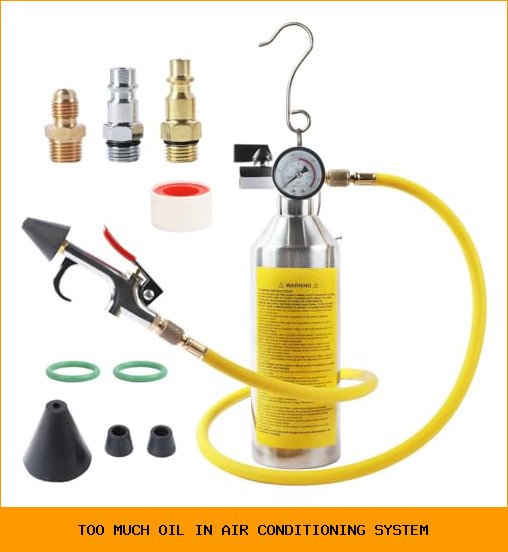
GuideToo Much Oil in Air Conditioning System? Here’s What Actually Happens
You just recharged your car’s AC. You followed the instructions, added the right amount of refrigerant, and maybe…
 Guide
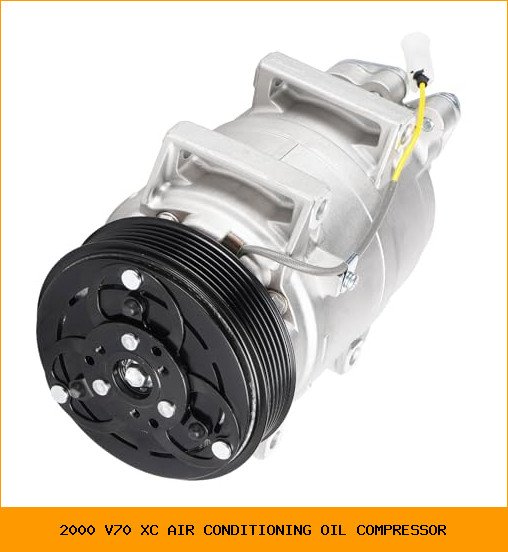
Guide2026 Volvo V70 XC A/C Compressor Replacement: Oil, Parts & DIY Guide
Your 2026 Volvo V70 XC rolls into summer. You hit the A/C button expecting cold air. Instead, you…