 Eng. Kamrul Islam
 In this guide
When your car’s air conditioning system starts acting up, one of the less obvious but critical issues you might be facing is a car air conditioner oil leak. This problem can lead to decreased cooling performance, increased wear on components, and costly repairs if left unchecked. Understanding the role of oil in automotive air conditioning systems, the signs of an oil leak, and how to address it can save you time and money while keeping your vehicle comfortable during hot weather.
Table of Contents
- Understanding Car Air Conditioner Oil
- Causes of Car Air Conditioner Oil Leaks
- Signs and Detection of Oil Leaks
- Repair and Maintenance of Oil Leaks
- Choosing the Right Oil for Your AC System
- Frequently Asked Questions
- Conclusion
Understanding Car Air Conditioner Oil
The air conditioning system in a vehicle relies on a specialized oil mixed with refrigerant to lubricate critical components, primarily the compressor. Unlike engine oil, air conditioner oils must be compatible with the refrigerant used and able to withstand high pressures and temperatures.
Role of Air Conditioner Oil
The primary function of air conditioner oil is to reduce friction among moving parts, particularly the compressor’s pistons and bearings. It also helps maintain the integrity of seals and gaskets within the system, preventing leaks and contamination.
Types of AC Oils
There are mainly two types of oils used in automotive air conditioning systems:
| Oil Type | Characteristics | Compatible Refrigerants |
|---|---|---|
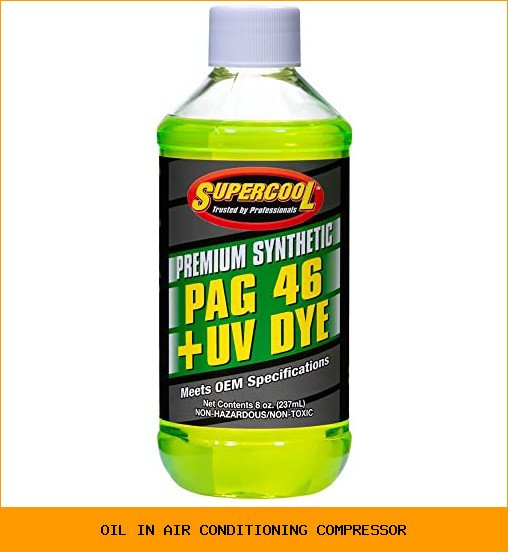
| PAG Oil (Polyalkylene Glycol) | Highly lubricative, hygroscopic (absorbs moisture), synthetic | R-134a, R-1234yf |
| POE Oil (Polyol Ester) | Better moisture tolerance, compatible with newer refrigerants, synthetic | R-134a, R-1234yf, R-410A |
Causes of Car Air Conditioner Oil Leaks
Oil leaks in a car’s air conditioning system rarely occur on their own. They are often symptoms of other underlying issues that compromise the system’s integrity.
Worn or Damaged Seals and O-Rings
Over time, seals and O-rings that retain both refrigerant and oil can degrade due to heat, pressure, and age. This degradation leads to leaks where oil can escape.
Compressor Wear and Damage
A failing compressor may develop cracks or loose connections that allow oil to leak out. Excessive wear inside the compressor can also cause oil to seep around seals.
Corroded or Damaged Hoses and Fittings
Exposure to road debris, chemicals, or rust can damage hoses and fittings, causing leaks. These parts must maintain a tight seal to prevent oil and refrigerant loss.
Improper Installation or Repairs
Incorrectly installed components or poorly performed repairs can lead to misaligned fittings or damaged seals, resulting in leaks.
Signs and Detection of Oil Leaks
Detecting an oil leak early can prevent significant damage to your car’s air conditioning system. Here are common signs and methods for detection.
Reduced Cooling Efficiency
If your car’s AC blows warm air or doesn’t cool as effectively, it could be due to low refrigerant and oil levels caused by leaks.
Visible Oil Residue
Look under the hood for oily spots on hoses, fittings, or around the compressor. Oil leaks often leave visible stains or wet patches.
Unusual Noises
A failing compressor lacking sufficient lubrication may produce grinding or clunking noises.
Using UV Dye Detection
Technicians often add fluorescent dye to the AC system, then use a UV light to spot leaks. This method is effective in pinpointing small or hidden leaks.
Repair and Maintenance of Oil Leaks
Proper repair and maintenance are crucial to resolving oil leaks in your car’s air conditioning system and preventing recurrence.
Replacing Damaged Seals and O-Rings
One of the most common repairs involves replacing the degraded seals and O-rings. This helps restore the system’s ability to retain oil and refrigerant.
Compressor Repair or Replacement
If the compressor is damaged or worn beyond repair, it must be replaced. This process should be done by a professional to ensure proper oil charge and system balance.
Hose and Fitting Replacement
Damaged hoses and fittings should be replaced promptly. Using compatible parts and proper installation techniques is essential to prevent further leaks.
System Evacuation and Recharge
After repairs, the AC system must be evacuated to remove air and moisture, then recharged with the correct amount of refrigerant and oil.
Choosing the Right Oil for Your AC System
Using the correct type and amount of oil is vital for the health of your car’s air conditioning system.
Consulting Vehicle Specifications
Your vehicle’s service manual or manufacturer guidelines specify the recommended oil type and quantity. Following these recommendations ensures compatibility and performance.
Oil Capacity and Charge
The amount of oil needed depends on the system size and components replaced. Overfilling or underfilling can cause damage.
| Component Replaced | Typical Oil Charge (ounces) |
|---|---|
| Compressor Only | 4-6 oz |
| Compressor + Condenser | 6-8 oz |
| Compressor + Condenser + Evaporator | 8-10 oz |
For more detailed information on oil capacities, check out The 7 Best Air Conditioner Oil Capacities of 2026.
Oil Compatibility with Refrigerants
With newer refrigerants like R-1234yf becoming more common, POE oils are preferred for their compatibility and moisture tolerance. Older systems using R-134a commonly use PAG oils.
Frequently Asked Questions
A: While it is technically possible, topping up AC oil requires specialized equipment to evacuate and recharge the system properly. It is recommended to have a professional handle this to avoid damage.
A: AC system inspections should be part of your regular vehicle maintenance, ideally once a year or if you notice reduced cooling performance.
A: Not immediately. Small leaks may result in gradual performance loss, but if left unattended, the system can fail due to insufficient lubrication.
A: PAG oil is hygroscopic and used mainly with R-134a refrigerant. POE oil has better moisture tolerance and is compatible with newer refrigerants like R-1234yf.
A: Yes. Leaked oil can attract dirt, damage electrical components, or degrade rubber parts nearby. It’s important to address leaks promptly.
Conclusion
A car air conditioner oil leak is a serious issue that can compromise the efficiency and durability of your vehicle’s AC system. Recognizing the causes, symptoms, and proper repair methods is essential for maintaining a cool and comfortable drive. Always choose the right oil type and quantity, following manufacturer recommendations, and seek professional help for repairs and system servicing.
For further reading on maintaining and optimizing your vehicle’s AC system, explore these helpful resources: The 7 Best Essential Oils for Air Conditioner of 2026, The 7 Best Air Conditioners for Oil Furnaces of 2026, The 7 Best Air Conditioner Oils of 2026, and The 7 Best Air Conditioner Oil Charge of 2026.

Eng. Kamrul Islam
Founder and product researcher
Engineer with more than 10 years of experience researching and selling products on Amazon, including his own brand on Amazon Australia. He compares specs, standards, sellers and owner feedback.
All guides by Eng. Kamrul IslamMore in ac & compressor oils
All 193 guidesWhat Is The 3 Minute Rule For Ac?
When it comes to maintaining your air conditioning system, understanding the various rules and guidelines can greatly enhance…
 Guide
GuideEverything You Need to Know About Oil in Air Conditioning Compressors
You turn on the AC, expecting cold air. Instead, you hear a clatter from under the hood or…
Air Con Compressor Oil Leak
Experiencing an air con compressor oil leak can be a frustrating and costly problem for vehicle owners and…