 Eng. Kamrul Islam
 In this guide
- STAR BRITE Synthetic Lower Unit 80W-90 Gear…
- Table of Contents
- Understanding Gear Oil Viscosity
- Importance of Viscosity in Scooters
- How to Choose the Right Gear Oil for Your…
- Common Viscosity Grades for Scooter Gear Oils
- Gear Oil Additives and Their Impact
- Maintenance Tips for Scooter Gear Oil
- Frequently Asked Questions
- Conclusion
Choosing the right gear oil viscosity for your scooter is crucial for maintaining optimal performance and longevity. Gear oil plays a vital role in lubricating the internal components of your scooter’s transmission, preventing wear and tear, and ensuring smooth operation. However, not all gear oils are created equal, and selecting the correct viscosity can significantly impact how well your scooter runs. In this article, we will delve into the nuances of gear oil viscosity specifically tailored for scooters, helping you make an informed decision.
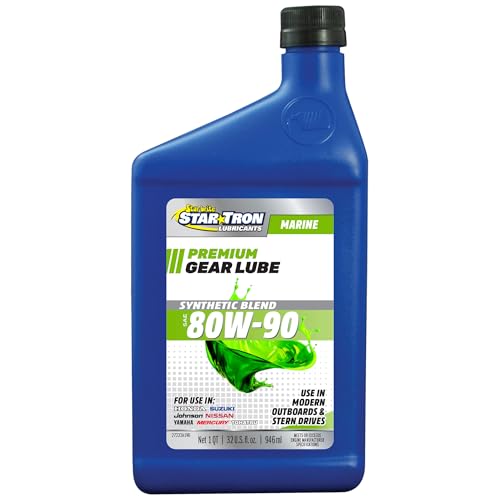
STAR BRITE
STAR BRITE Synthetic Lower Unit 80W-90 Gear Lube, Marine Grade
LONG TERM PROTECTION - Ideal for all engines over 100 hp that require 80w 90w oil - provides exceptional long-term protection against rust and corrosion, extending your engine's lifespan
Buy on AmazonTable of Contents
- Understanding Gear Oil Viscosity
- Importance of Viscosity in Scooters
- How to Choose the Right Gear Oil for Your Scooter
- Common Viscosity Grades for Scooter Gear Oils
- Gear Oil Additives and Their Impact
- Maintenance Tips for Scooter Gear Oil
- Frequently Asked Questions
Understanding Gear Oil Viscosity
Viscosity refers to the thickness or resistance to flow of a fluid. In the context of gear oil, it plays a pivotal role in determining how well the oil can lubricate the gears and other moving parts within the scooter’s transmission system. Viscosity is typically measured at two temperatures: 40°C and 100°C. This measurement gives insight into how the oil will perform under varying operating conditions.
Importance of Viscosity in Scooters
The importance of the right gear oil viscosity cannot be overstated. Here are a few reasons why:
1. Lubrication Efficiency
Proper viscosity ensures that the oil can adequately coat and lubricate the moving parts of the transmission. Oil that is too thick may not flow adequately, while oil that is too thin may not provide sufficient protection.
2. Temperature Stability
Viscosity influences how the oil behaves under different temperatures. A good gear oil maintains its viscosity within a range of temperatures, ensuring consistent performance whether you’re riding in hot or cold conditions.
3. Wear Protection
The right viscosity helps reduce friction between moving components, minimizing wear and extending the life of your scooter’s transmission. This is particularly important for high-performance scooters that operate under more demanding conditions.
How to Choose the Right Gear Oil for Your Scooter
Selecting the right gear oil for your scooter involves several considerations:
1. Manufacturer Specifications
Start by consulting your scooter’s owner manual for the recommended viscosity. Manufacturers usually specify a range of acceptable viscosities based on the scooter’s design and intended use.
2. Operating Conditions
Consider the conditions in which you typically ride. If you live in a hot climate or frequently ride in stop-and-go traffic, you may need a gear oil with a different viscosity compared to someone who rides in cooler conditions or primarily on highways.
3. Type of Riding
Your riding style also affects the choice of gear oil. For example, high-performance or racing scooters may require oils with higher viscosity for better protection under extreme conditions.
Common Viscosity Grades for Scooter Gear Oils
Gear oils come in various viscosity grades, and understanding these can help you select the right one for your scooter. Here’s a breakdown of some common grades:
| Viscosity Grade | Typical Applications | Notes |
|---|---|---|
| 75W-90 | Most scooters, especially those with standard use | Provides good protection and flow characteristics |
| 80W-90 | Heavy-duty applications, racing scooters | Thicker oil for better wear protection |
| 75W-140 | High-performance scooters | Designed for extreme temperatures and high-stress conditions |
Gear Oil Additives and Their Impact
Many manufacturers add various additives to gear oils to enhance their performance. Here are some common additives you might encounter:
1. Anti-wear Agents
These additives help reduce friction and wear between metal surfaces, prolonging the lifespan of your scooter’s transmission components.
2. Detergents
Detergents help keep the oil clean by preventing the formation of sludge and deposits. This ensures that the oil remains effective over time.
3. Viscosity Index Improvers
These additives enhance the oil’s viscosity stability across a wider temperature range, ensuring that it performs well in both hot and cold conditions.
Maintenance Tips for Scooter Gear Oil
Maintaining the correct gear oil level and quality is essential for your scooter’s performance. Here are some tips for proper maintenance:
1. Regular Checks
Regularly check the gear oil level and condition. Look for any signs of contamination or degradation, such as a burnt smell or dark color.
2. Change Intervals
Follow the manufacturer’s recommendations for oil change intervals. Typically, it’s advisable to change the gear oil every 1,000 to 3,000 miles, depending on usage and conditions.
3. Use Quality Products
Invest in high-quality gear oil that meets industry standards. You can check out The 7 Best Gear Oil Valvoline of 2026 for some trusted options.
Frequently Asked Questions
A: Using the wrong viscosity can lead to inadequate lubrication, increased friction, and potential damage to the transmission components. Always use the recommended viscosity for your scooter.
A: It’s generally recommended to change the gear oil every 1,000 to 3,000 miles, but always refer to your owner’s manual for specific guidance.
A: It is not advisable to mix different viscosities as it can alter the overall performance and protection characteristics of the oil. Stick to one type and viscosity for optimal results.
A: Synthetic gear oils generally offer better protection, higher temperature stability, and longer intervals between changes compared to conventional oils. However, always check compatibility with your scooter.
Conclusion
Selecting the right gear oil viscosity for your scooter is a critical aspect of maintenance that can significantly affect performance and longevity. Always consult your owner’s manual for specific recommendations, consider your riding conditions, and choose high-quality products with beneficial additives. By paying attention to these factors, you can ensure that your scooter runs smoothly for years to come. For additional resources, check out The 7 Best Gear Oil RTV of 2026 and The 7 Best Gear Oil Jugs of 2026 for more information on gear oil products that can enhance your scooter’s performance.
Related pick: Check today's price on Amazon

Eng. Kamrul Islam
Founder and product researcher
Engineer with more than 10 years of experience researching and selling products on Amazon, including his own brand on Amazon Australia. He compares specs, standards, sellers and owner feedback.
All guides by Eng. Kamrul IslamMore in gear oils & differential fluids
All 353 guidesThe 7 Best Gear Oil SDS of 2026
Gear oils are crucial for the optimal performance of your vehicle's transmission system. In 2026, there are standout…
The 7 Best Gear Oil 75W90 Options of 2026
**Explore our top picks for the best 75W90 gear oils near you in 2026. Each option has been…
The 7 Best Gear Oils Under $100 of 2026
Finding the best gear oil under $100 can be a daunting task due to the myriad of options…