Hydraulic systems are integral to many industries, providing the power needed to operate machinery and equipment efficiently. Among the various components that facilitate these operations, hydraulic oil and automatic transmission fluid (ATF) play critical roles. Understanding the differences, applications, and qualities of these fluids can help ensure optimal performance and longevity of hydraulic systems. In this article, we’ll delve deep into hydraulic oil and ATF, their uses, properties, and how to choose the right one for your needs.
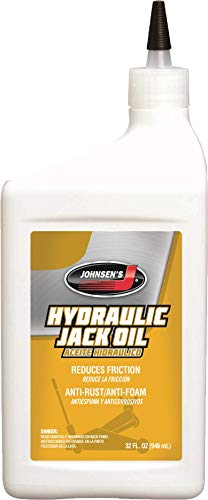
Table of Contents
- 1. What is Hydraulic Oil?
- 2. What is Automatic Transmission Fluid (ATF)?
- 3. Key Differences Between Hydraulic Oil and ATF
- 4. Applications of Hydraulic Oil
- 5. Applications of ATF
- 6. How to Choose Between Hydraulic Oil and ATF
- 7. Maintenance Tips for Hydraulic Systems
- 8. Frequently Asked Questions
1. What is Hydraulic Oil?
Hydraulic oil is a crucial fluid used in hydraulic systems to transmit power. It is specially formulated to provide the necessary lubrication and cooling for machinery that operates under high pressure. Hydraulic oils are typically composed of base oils mixed with additives to enhance performance characteristics such as anti-wear, anti-oxidation, and corrosion resistance.
Properties of Hydraulic Oil
Hydraulic oils possess unique properties that make them suitable for a wide range of applications. Key properties include:
- Viscosity: Hydraulic oil must maintain its viscosity under varying temperatures and pressures to ensure consistent performance.
- Lubrication: Effective lubrication is essential to prevent wear and tear on components.
- Thermal Stability: Hydraulic oils should resist breakdown at high temperatures to ensure longevity.
- Water Resistance: The ability to repel water helps prevent corrosion and maintains performance.
2. What is Automatic Transmission Fluid (ATF)?
Automatic Transmission Fluid (ATF) is a specialized lubricant designed for automatic transmissions and power steering systems. Similar to hydraulic oil, ATF is formulated to provide lubrication, cooling, and protection against wear. However, it also contains detergents and friction modifiers to ensure smooth gear shifts and prevent slippage in automatic transmission systems.
Properties of ATF
ATF has its own set of properties that differentiate it from hydraulic oil:
- Friction Characteristics: ATF includes additives that enhance friction to improve gear engagement.
- Low Temperature Fluidity: ATF is designed to perform well in low temperatures, ensuring smooth operation during cold starts.
- Detergency: The cleaning agents in ATF help prevent sludge and deposits from forming in the transmission.
3. Key Differences Between Hydraulic Oil and ATF
While hydraulic oil and ATF share some similarities, they have distinct differences that make them suitable for different applications. The table below summarizes these differences:
| Property | Hydraulic Oil | ATF |
|---|---|---|
| Primary Use | Hydraulic systems | Automatic transmissions and power steering |
| Friction Characteristics | Low friction | High friction for smooth shifting |
| Additives | Anti-wear, anti-oxidation | Detergents, friction modifiers |
| Viscosity Range | Varies widely (ISO grades) | Typically lower viscosity |
| Thermal Stability | Designed for high temperatures | Optimized for low and high temperatures |
4. Applications of Hydraulic Oil
Hydraulic oil is used in a variety of applications, including:
- Construction Equipment: Hydraulic excavators, loaders, and backhoes rely on hydraulic oil for operation.
- Manufacturing Machinery: Machines like presses and lifts utilize hydraulic systems powered by hydraulic oil.
- Aerospace: Hydraulic systems in aircraft control surfaces depend on reliable hydraulic oil.
- Agricultural Equipment: Tractors and other farm machinery often use hydraulic oil for their hydraulic systems.
5. Applications of ATF
ATF is primarily used in:
- Automatic Transmissions: Most modern vehicles use ATF in their automatic transmission systems for smooth gear shifting.
- Power Steering Systems: ATF lubricates and provides hydraulic power for power steering assistance.
- Some Hydraulic Applications: Certain hydraulic systems, especially those in automotive applications, may use ATF.
6. How to Choose Between Hydraulic Oil and ATF
Choosing the right fluid for your system is crucial. Here are some factors to consider:
- System Requirements: Consult the equipment manual to determine the recommended fluid type.
- Operating Conditions: Consider the temperature range and pressure conditions your system will encounter.
- Fluid Compatibility: Ensure that the new fluid is compatible with any existing fluids in the system to prevent chemical reactions.
- Viscosity: Choose a fluid with the appropriate viscosity for optimal performance.
7. Maintenance Tips for Hydraulic Systems
Maintaining hydraulic systems is essential for their longevity and performance. Here are some maintenance tips:
- Regular Fluid Checks: Periodically check fluid levels and quality to ensure optimal performance.
- Change Fluids as Recommended: Follow the manufacturer’s guidelines for fluid change intervals to prevent degradation.
- Monitor for Contamination: Keep an eye out for any signs of contamination, such as discoloration or a change in viscosity.
- Inspect Seals and Hoses: Regularly check seals and hoses for leaks or wear to prevent fluid loss and system failure.
8. Frequently Asked Questions
A: No, hydraulic oil is not designed for use in automatic transmissions and may cause damage. Always use the recommended ATF for your vehicle.
A: Signs include discoloration, unusual smells, and the presence of particles or sludge in the fluid.
A: Follow the manufacturer’s recommendations, but typically, it’s advisable to change fluids every 1,000 to 2,000 hours of operation or annually.
A: Mixing different types of hydraulic oil can lead to chemical reactions and reduced performance. Always consult your equipment manual for compatibility.
Conclusion
Understanding the roles of hydraulic oil and ATF is essential for anyone involved in the maintenance or operation of hydraulic systems and automatic transmissions. Each fluid possesses unique properties that make it suitable for specific applications, and selecting the right one can significantly impact performance and longevity. By adhering to manufacturer guidelines, regularly maintaining your system, and being aware of the potential issues, you can ensure that your machinery operates efficiently and reliably. For more detailed recommendations, check out our articles on The 7 Best Hydraulic Oil 68 Grade of 2026, The 7 Best Hydraulic Oil 100 of 2026, The 7 Best Hydraulic Oil 32 Grade Near Me of 2026, The 7 Best Hydraulic Oil 46 Grade of 2026, and The 7 Best Hydraulic Oil 10W30 of 2026.
Related pick: Check today's price on Amazon