 Eng. Kamrul Islam
 In this guide
Hydraulic oil 46 is a commonly used hydraulic fluid that plays a crucial role in the functioning of various hydraulic systems. Whether in industrial machinery, construction equipment, or automotive applications, hydraulic oil 46 provides the necessary lubrication and power transmission required for efficient operation. This article will delve into the properties, benefits, and applications of hydraulic oil 46, helping you understand its significance and how to choose the right type for your needs.
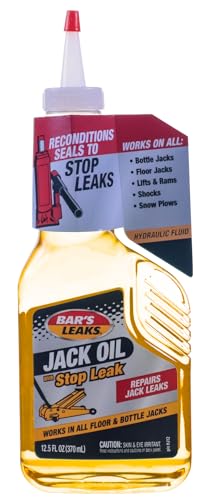
Bar's Leaks
Bar's Leaks Jack Oil with Stop Leak - 12.5 oz
Stops Current Leaks And Prevents Future Leaks
Buy on AmazonTable of Contents
- What is Hydraulic Oil 46?
- Properties and Specifications
- Benefits of Hydraulic Oil 46
- Applications of Hydraulic Oil 46
- How to Choose Hydraulic Oil 46
- Common Issues and Solutions
- FAQ
What is Hydraulic Oil 46?
Hydraulic oil 46 is a type of hydraulic fluid classified by its viscosity grade. The number 46 indicates the oil’s kinematic viscosity, measured in centistokes (cSt) at 40 degrees Celsius. This viscosity level provides a balance between efficient flow and adequate lubrication, making it suitable for various hydraulic applications.
Properties and Specifications
Understanding the properties of hydraulic oil 46 is essential for selecting the right fluid for your hydraulic system. Here are some key specifications:
| Property | Specification |
|---|---|
| Kinematic Viscosity at 40°C | 46 cSt |
| Kinematic Viscosity at 100°C | ~8.5 cSt |
| Viscosity Index | ~100 |
| Flash Point | ~200°C |
| Pour Point | ~-30°C |
Benefits of Hydraulic Oil 46
The use of hydraulic oil 46 offers several advantages that contribute to the overall performance and longevity of hydraulic systems:
1. Excellent Lubrication
Hydraulic oil 46 provides superior lubrication, reducing friction and wear on hydraulic components. This results in lower maintenance costs and extends the life of the equipment.
2. High Oxidation Stability
With its high oxidation stability, hydraulic oil 46 resists breakdown under heat and pressure, ensuring consistent performance over time. This property helps prevent the formation of sludge and deposits that can hinder system efficiency.
3. Effective Heat Dissipation
Hydraulic oil 46 effectively dissipates heat generated during operation, maintaining optimal temperatures and preventing overheating. This is crucial for the reliability of hydraulic systems.
4. Compatibility
This type of hydraulic oil is compatible with various seal materials and equipment, making it a versatile choice for different applications. It also has good demulsibility, allowing water to separate from the oil.
Applications of Hydraulic Oil 46
Hydraulic oil 46 is widely used in various industries and applications, including:
1. Construction Equipment
Skid steers, excavators, and bulldozers utilize hydraulic oil 46 in their hydraulic systems for lifting, digging, and maneuvering tasks.
2. Manufacturing Machines
Hydraulic presses, injection molding machines, and CNC machines rely on hydraulic oil 46 for smooth operation and precise control.
3. Agricultural Equipment
Farm tractors and harvesters use hydraulic oil 46 to operate lifts, steering systems, and other hydraulic functions.
4. Automotive Applications
Some automotive hydraulic systems, such as power steering and brake systems, may also use hydraulic oil 46, depending on the manufacturer’s specifications.
How to Choose Hydraulic Oil 46
Selecting the right hydraulic oil 46 involves considering several factors:
1. Viscosity
The viscosity of the hydraulic oil must match the requirements of your hydraulic system. Hydraulic oil 46 is suitable for moderate to high operating temperatures but ensure it aligns with your equipment specifications.
2. Operating Environment
Consider the temperature range and environmental conditions in which your equipment operates. Hydraulic oil with a good viscosity index can perform well across varying temperatures.
3. Additives
Look for hydraulic oils that contain additives for anti-wear, anti-foam, and rust protection. These additives enhance the performance and longevity of the hydraulic system.
4. Manufacturer Recommendations
Always follow the manufacturer’s guidelines for the recommended hydraulic oil type to ensure optimal performance and warranty compliance.
Common Issues and Solutions
Like any fluid, hydraulic oil 46 can encounter issues. Here are some common problems and their solutions:
1. Contamination
Contamination from dirt, water, or debris can significantly affect hydraulic oil performance. Regularly check and change your hydraulic filters to prevent contamination.
2. Overheating
Overheating can lead to oil breakdown and reduced lubrication. Ensure adequate cooling systems and check for leaks that may reduce oil levels.
3. Oil Degradation
Over time, hydraulic oil can degrade, affecting its properties. Regularly monitor oil condition and replace it as recommended by the manufacturer.
FAQ
A: The primary difference lies in viscosity. Hydraulic oil 46 has a specific viscosity that makes it suitable for moderate to high-temperature applications, whereas other hydraulic oils may have different viscosity grades for specific needs.
A: It is generally not recommended to mix different hydraulic oils, as this can lead to compatibility issues and reduced performance. Always consult with the manufacturer before mixing oils.
A: The frequency of oil changes depends on the manufacturer’s recommendations and the operating conditions. Regular oil analysis can help determine when oil changes are necessary.
A: While some hydraulic oils are formulated with biodegradable components, traditional hydraulic oil 46 may not be fully environmentally friendly. Check for eco-friendly options if this is a concern.
In conclusion, hydraulic oil 46 is an essential component in the operation of various hydraulic systems across multiple industries. Its properties, benefits, and applications make it a preferred choice for many operators. By understanding how to choose the right hydraulic oil and addressing common issues, you can ensure the longevity and efficiency of your hydraulic equipment. For those seeking further information or specific recommendations, consider checking out The 7 Best Hydraulic Oil 46 Specifications of 2026 to explore the latest options available in the market.
Related pick: Check today's price on Amazon

Eng. Kamrul Islam
Founder and product researcher
Engineer with more than 10 years of experience researching and selling products on Amazon, including his own brand on Amazon Australia. He compares specs, standards, sellers and owner feedback.
All guides by Eng. Kamrul IslamMore in hydraulic oils
All 225 guidesWhich Hydraulic Oil Is Red
Hydraulic oils are essential for the smooth operation of hydraulic systems across various industries, including manufacturing, automotive, and…
The 7 Best Hydraulic Fluid 8990 of 2026
Choosing the right hydraulic fluid is crucial for the optimal performance of any hydraulic system. In 2026, the…
The 7 Best Hydraulic Oil 32 Specifications of 2026
Looking for the best hydraulic oil 32 for your machinery? Our expertly curated list highlights the top-performing hydraulic…