Finding the right hydraulic oil is essential for maintaining the efficiency and longevity of hydraulic systems, whether in industrial machinery or automotive applications. The term “hydraulic oil near me” is often searched by individuals and businesses looking to source high-quality hydraulic fluids locally. Understanding what hydraulic oil is, its types, and where to find it can greatly enhance your operations.
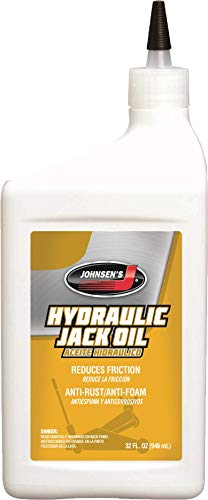
Table of Contents
- What is Hydraulic Oil?
- Types of Hydraulic Oil
- Properties of Hydraulic Oil
- Where to Find Hydraulic Oil Near Me
- Buying Guide for Hydraulic Oil
- FAQ
What is Hydraulic Oil?
Hydraulic oil, also known as hydraulic fluid, is a specialized fluid used in hydraulic systems to transfer power. This fluid plays a vital role in the functioning of hydraulic machinery by providing the necessary energy to operate various components. Hydraulic oil is designed to withstand high pressures and temperatures, ensuring the efficient transfer of energy.
Types of Hydraulic Oil
There are several types of hydraulic oils available, each designed for specific applications. Understanding these types can help you choose the right one for your needs.
Mineral Oil-Based Hydraulic Fluids
Mineral oil-based hydraulic fluids are the most common type. They are derived from refining crude oil and are widely used in various hydraulic systems due to their cost-effectiveness and reliability.
Synthetic Hydraulic Fluids
Synthetic hydraulic fluids are engineered fluids designed to provide superior performance in extreme conditions. They offer better temperature stability, lubrication, and resistance to oxidation compared to mineral oils.
Biodegradable Hydraulic Fluids
With increasing environmental concerns, biodegradable hydraulic fluids are gaining popularity. These fluids are derived from renewable sources and are designed to minimize environmental impact in case of spills.
Properties of Hydraulic Oil
When selecting hydraulic oil, it’s essential to consider its properties to ensure optimal performance.
Viscosity
Viscosity is one of the most critical properties of hydraulic oil. It measures the fluid’s resistance to flow. The right viscosity ensures that the oil can adequately lubricate and transmit power without causing excessive wear on components.
Oxidation Stability
Oxidation stability refers to the oil’s ability to resist degradation when exposed to heat and air. High oxidation stability prolongs the fluid’s life and prevents the formation of sludge and varnish, which can hinder system performance.
Temperature Range
The operational temperature range of hydraulic oil is crucial. It must remain effective in both low and high-temperature environments. Some hydraulic oils are formulated to perform optimally in extreme conditions.
Where to Find Hydraulic Oil Near Me
Finding hydraulic oil locally can save time and shipping costs. Here are some effective ways to locate hydraulic oil near you:
Local Auto Parts Stores
Many auto parts stores carry a variety of hydraulic oils, including mineral and synthetic options. Visiting a local store allows you to speak with knowledgeable staff who can help you choose the right product.
Industrial Supply Stores
Industrial supply stores often have a more extensive selection of hydraulic oils suitable for heavy machinery and industrial applications. They may also offer bulk purchasing options.
Online Retailers
If local options are limited, consider online retailers. Many websites specialize in hydraulic oils, providing extensive product descriptions, customer reviews, and competitive pricing. Ensure that the retailer ships to your location.
| Source | Advantages | Disadvantages |
|---|---|---|
| Local Auto Parts Stores | Immediate availability, expert advice | Limited selection |
| Industrial Supply Stores | Wide range of products, bulk options | Higher prices |
| Online Retailers | Convenience, extensive selection | Shipping time and costs |
Buying Guide for Hydraulic Oil
When purchasing hydraulic oil, consider the following factors to ensure you select the best product for your needs:
Compatibility with Equipment
Always check the compatibility of the hydraulic oil with your machinery. Refer to the manufacturer’s guidelines to ensure you are using the correct type and viscosity of oil.
Environmental Regulations
Be aware of local regulations regarding hydraulic oil, particularly if you are considering biodegradable options. Some areas may have specific requirements for fluid disposal and environmental impact.
Price and Quality
While it might be tempting to opt for the cheapest option, quality should never be compromised. Investing in high-quality hydraulic oil can lead to better performance and longer equipment life.
FAQ
A: The primary function of hydraulic oil is to transmit power in hydraulic systems, providing lubrication, heat transfer, and protection against wear and corrosion.
A: The frequency of hydraulic oil changes depends on the type of oil used and operating conditions. Generally, it is recommended to change the oil every 1,000 to 3,000 hours of operation or as specified by the equipment manufacturer.
A: Mixing different types of hydraulic oil is not recommended, as it can result in reduced performance and potential damage to the hydraulic system. Always use the same type and brand of hydraulic oil.
A: For recommendations on top hydraulic oils, refer to articles like The 7 Best Hydraulic Oil 32 Grade of 2026, The 7 Best Hydraulic Oil 20 Ltr Prices of 2026, and more.
Conclusion
Finding the right hydraulic oil near you is essential for ensuring the smooth operation of hydraulic systems. By understanding the different types of hydraulic oils, their properties, and where to find them locally, you can make informed decisions that enhance the performance and longevity of your equipment. Always prioritize compatibility and quality when selecting hydraulic oil, and do not hesitate to consult with professionals for guidance. With the right hydraulic fluid, you can keep your hydraulic systems running efficiently for years to come.
Related pick: Check today's price on Amazon