 Eng. Kamrul Islam
In this guide
- Johnsen's 5594 Hydraulic Jack Oil
- Table of Contents
- Understanding Hydraulic Oil
- Characteristics of Hydraulic Oil
- Lubrication in Hydraulic Systems
- Can Hydraulic Oil Be Used as Lubricant?
- Advantages of Using Hydraulic Oil as a…
- Disadvantages of Using Hydraulic Oil as a…
- Comparison of Hydraulic Oil and Lubricants
- FAQs
- Conclusion
Hydraulic oils are essential fluids used in various machinery and equipment to transmit power and ensure smooth operation. However, many individuals and businesses often wonder if hydraulic oil can serve as a lubricant for other applications. The two terms—hydraulic oil and lubricant—are frequently used interchangeably, but they have distinct functions and properties. This article aims to clarify the roles of hydraulic oils, their characteristics, and whether they can effectively substitute for traditional lubricants.
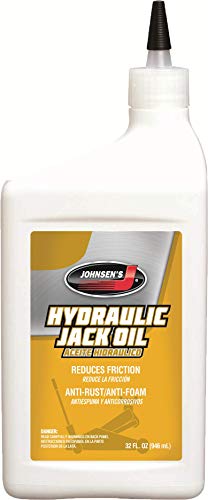
Table of Contents
- Understanding Hydraulic Oil
- Characteristics of Hydraulic Oil
- Lubrication in Hydraulic Systems
- Can Hydraulic Oil Be Used as Lubricant?
- Advantages of Using Hydraulic Oil as a Lubricant
- Disadvantages of Using Hydraulic Oil as a Lubricant
- Comparison of Hydraulic Oil and Lubricants
- FAQs
- Conclusion
Understanding Hydraulic Oil
Hydraulic oil is a specialized fluid used in hydraulic machinery to transmit power. Its primary function is to allow force to be transferred through hydraulic systems, such as lifts, brakes, and steering mechanisms. Hydraulic oils are typically mineral oils, but they can also be synthetic or biodegradable formulations. The right hydraulic oil ensures efficient operation and longevity of hydraulic components.
Types of Hydraulic Oil
There are several types of hydraulic oils, including:
- Mineral Oil: The most common type, derived from refining crude oil. Mineral oils come with various additives to enhance performance.
- Synthetic Oil: Engineered fluids that offer improved performance under extreme conditions. They usually have a higher price point but provide superior lubrication and stability.
- Biodegradable Oil: Formulated to break down naturally in the environment, suitable for use in eco-sensitive applications.
Characteristics of Hydraulic Oil
Hydraulic oils possess unique characteristics that make them suitable for their intended applications. Some of the key traits include:
| Characteristic | Description |
|---|---|
| Viscosity | The measure of a fluid’s resistance to flow, crucial for maintaining proper hydraulic pressure. |
| Thermal Stability | Ability to withstand high temperatures without breaking down, ensuring performance in demanding conditions. |
| Corrosion Resistance | Protection against rust and corrosion, which can damage hydraulic systems. |
| Fluidity | The capacity to flow easily, essential for efficient power transmission. |
| Foam Resistance | Minimizing foaming is critical, as foam can lead to hydraulic system inefficiencies. |
Lubrication in Hydraulic Systems
Hydraulic systems often require lubrication to maintain their operational efficiency. While hydraulic oil serves this purpose, it’s essential to understand that not all hydraulic oils are designed with lubrication as their primary function. The lubrication properties of hydraulic oil can vary based on its formulation and the additives included.
The Role of Additives
Many hydraulic oils contain additives that enhance their lubrication properties, such as:
- Anti-wear Agents: Reduce wear on moving components.
- Detergents: Keep the system clean by preventing deposits.
- Oxidation Inhibitors: Extend the life of the oil by preventing breakdown due to heat and exposure to air.
Can Hydraulic Oil Be Used as Lubricant?
The question of whether hydraulic oil can be used as a lubricant depends on several factors, including the specific application and the type of hydraulic oil in question. In some cases, hydraulic oil can effectively perform as a lubricant, particularly in applications where the lubrication requirements align with the properties of the hydraulic oil.
Situations Where Hydraulic Oil Can Be Used as a Lubricant
Hydraulic oil may be suitable as a lubricant in the following scenarios:
- Hydraulic Systems: In hydraulic systems where components require both hydraulic fluid and lubrication, hydraulic oil can perform double duty.
- Low-Load Applications: For applications with minimal load and speed requirements, hydraulic oil may provide adequate lubrication.
- Temporary Solutions: In emergencies where the appropriate lubricant is not available, hydraulic oil can serve as a temporary substitute.
Advantages of Using Hydraulic Oil as a Lubricant
Utilizing hydraulic oil as a lubricant may present several advantages, including:
- Cost-Effectiveness: In scenarios where hydraulic oil is already available, it can reduce the need for purchasing separate lubricants.
- Reduced Inventory: Maintaining fewer types of fluids can simplify inventory management for businesses.
- Compatibility: Hydraulic oil can often be compatible with various materials used in hydraulic systems, reducing the risk of chemical reactions.
Disadvantages of Using Hydraulic Oil as a Lubricant
Despite the potential benefits, there are significant drawbacks to using hydraulic oil as a lubricant:
- Inadequate Properties: Hydraulic oils may lack certain properties required for effective lubrication in high-load or high-speed applications.
- Degradation: Hydraulic oils can break down more quickly than dedicated lubricants, leading to reduced performance over time.
- Contamination: Hydraulic systems can introduce contaminants into the oil, compromising its lubricating effectiveness.
Comparison of Hydraulic Oil and Lubricants
To further clarify the distinctions between hydraulic oils and lubricants, here’s a comparative overview:
| Feature | Hydraulic Oil | Lubricants |
|---|---|---|
| Primary Function | Power transmission in hydraulic systems | Reduce friction between moving parts |
| Formulation | Typically mineral or synthetic oils with specific additives | Varies widely, often tailored for specific applications |
| Viscosity Range | Usually has a defined viscosity range for hydraulic applications | Can vary significantly based on application needs |
| Application | Used in hydraulic machinery | Used in engines, gearboxes, and various mechanical systems |
| Temperature Stability | Designed to withstand specific temperature ranges | May have broad or narrow temperature stability depending on the type |
FAQs
A: No, hydraulic oil is not designed for engine applications and may not provide the necessary lubrication or protection required for engine components.
A: Yes, hydraulic oil is formulated for hydraulic systems, while motor oil is designed to lubricate and protect engine components. Each serves distinct purposes and has different properties.
A: Using hydraulic oil instead of a dedicated lubricant may lead to increased wear and tear on the bearings, reduced efficiency, and potential failure over time.
Conclusion
In summary, while hydraulic oil can be used as a lubricant in certain situations, it is essential to recognize its limitations and differences from traditional lubricants. The choice to use hydraulic oil as a lubricant should be made cautiously, considering the specific requirements of the application and the properties of the hydraulic oil being used. Understanding the distinctions between hydraulic oils and lubricants is crucial for optimal equipment performance and longevity. For more detailed insights into hydraulic oils, check out articles on the 7 Best Hydraulic Oil 46 Temperature Range Options for 2026, 7 Best Hydraulic Oil 10W30 of 2026, 7 Best Hydraulic Oil 40 of 2026, 7 Best Hydraulic Oil 08208 HST02 of 2026, and 7 Best Hydraulic Oil 5606 of 2026.
Related pick: Check today's price on Amazon

Eng. Kamrul Islam
Founder and product researcher
Engineer with more than 10 years of experience researching and selling products on Amazon, including his own brand on Amazon Australia. He compares specs, standards, sellers and owner feedback.
All guides by Eng. Kamrul IslamMore in transmission & other fluids
All 18 guidesIs Gear Oil Atf
When it comes to automotive maintenance, the right type of oil can make a significant difference in the…
Can Hydraulic Oil Be Used For Power Steering
When it comes to maintaining your vehicle, understanding the different types of fluids is crucial. Among these, hydraulic…
The 7 Best Gear Oil Treatments of 2026
Looking to extend the life and efficiency of your vehicle's transmission system? **Gear oil treatments** are crucial for…