 Eng. Kamrul Islam
 In this guide
Wood preservation has been a topic of interest for many industries, from construction to furniture making. As the demand for sustainable and durable materials grows, various methods and substances have been explored to enhance the lifespan and performance of wood. One such substance that has sparked curiosity is hydraulic oil. This article aims to delve into the question: will hydraulic oil preserve wood? We will review how hydraulic oil interacts with wood, its benefits, potential drawbacks, and alternative wood preservation methods.
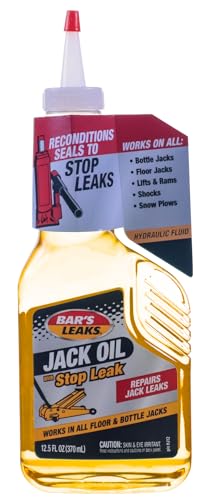
Bar's Leaks
Bar's Leaks Jack Oil with Stop Leak - 12.5 oz
Stops Current Leaks And Prevents Future Leaks
Buy on AmazonTable of Contents
- Understanding Hydraulic Oil
- Wood Preservation Methods
- Hydraulic Oil and Wood: The Interaction
- Benefits of Using Hydraulic Oil
- Drawbacks of Using Hydraulic Oil
- Alternative Wood Preservation Methods
- FAQ
Understanding Hydraulic Oil
Hydraulic oil is a specialized lubricant used in hydraulic machinery to transmit power. It consists of base oils and additives that enhance its performance, including anti-wear agents, rust inhibitors, and viscosity modifiers. These oils are crucial for the smooth operation of hydraulic systems, but their application extends beyond machinery.
Types of Hydraulic Oil
Hydraulic oils come in various types, each suited for specific applications. Common categories include:
| Type | Description |
|---|---|
| Mineral Oil | Derived from refining crude oil, these are the most commonly used hydraulic oils. |
| Synthetic Oil | Man-made fluids that offer better performance in extreme temperatures and conditions. |
| Biodegradable Oil | Derived from natural sources, these oils are environmentally friendly and break down more easily in nature. |
Wood Preservation Methods
Wood can be susceptible to decay, insects, and environmental damage. To combat these threats, various wood preservation methods exist, including:
- Pressure Treatment
- Surface Coatings
- Oil Treatments
- Wood Rot Fungicides
- Natural Oils
Pressure Treatment
This method involves forcing preservative chemicals deep into the wood under high pressure, which can effectively protect against pests and decay.
Surface Coatings
Paints, stains, and sealants can provide a protective layer against moisture and UV damage, but they may require regular reapplication.
Oil Treatments
Natural oils like linseed or tung oil can penetrate wood, providing moisture resistance and enhancing appearance. These oils are more commonly used than hydraulic oils for wood preservation.
Wood Rot Fungicides
Chemicals specifically designed to kill wood-decaying fungi can be applied to prevent rot.
Natural Oils
Natural oils such as jojoba, coconut, or walnut oils are gradually gaining popularity for their wood-preserving properties.
Hydraulic Oil and Wood: The Interaction
Upon applying hydraulic oil to wood, several reactions can occur, influenced by the oil’s composition and the type of wood. The oil can penetrate the wood fibers, potentially offering some level of moisture resistance. However, the beneficial effects largely depend on the type of hydraulic oil used.
Benefits of Using Hydraulic Oil
While hydraulic oil is not a conventional wood preservative, it offers some benefits that are worth considering:
Moisture Resistance
Hydraulic oil can create a barrier that helps prevent moisture from penetrating the wood, which is essential for reducing the risk of rot and decay.
Lubrication
In applications where wood is subject to friction (e.g., sliding doors or drawers), hydraulic oil can reduce wear and tear, prolonging the life of the wood.
Ease of Application
Hydraulic oil is readily available and easy to apply, making it a convenient option for quick fixes.
Availability
Hydraulic oils are generally more accessible than specialized wood preservatives, especially in industrial settings.
Drawbacks of Using Hydraulic Oil
Despite some advantages, using hydraulic oil for wood preservation also comes with notable drawbacks:
Not Specifically Designed for Wood
Hydraulic oil lacks the specific additives found in wood preservatives designed to combat rot, insects, and other threats.
Potential for Chemical Reactions
Some hydraulic oils may contain additives that can react negatively with certain types of wood, potentially leading to discoloration or damage.
Environmental Concerns
Hydraulic oil is not biodegradable in the same way as natural oils and could pose environmental hazards if spilled or disposed of improperly.
Alternative Wood Preservation Methods
For those seeking effective ways to preserve wood, numerous alternatives exist that are more suited for this purpose:
Natural Oils
Natural oils, such as linseed or tung oil, can penetrate deeply into the wood, offering moisture resistance and enhancing the wood’s natural grain.
Wood Preservative Products
Commercially available wood preservatives are formulated to protect against decay and insect infestations, making them a reliable choice for wood preservation.
Environmental Treatments
For those concerned about the environment, biodegradable preservatives are available that effectively protect wood without harmful side effects.
Regular Maintenance
Regular maintenance, such as cleaning and reapplying finishes, can significantly extend the life of wooden structures or furniture.
FAQ
A: No, hydraulic oil may not be suitable for all wood types, and certain additives could react negatively with specific woods.
A: Most hydraulic oils are not biodegradable. However, some biodegradable options are available.
A: The best method usually involves using dedicated wood preservatives or natural oils, which are designed specifically for wood protection.
A: Hydraulic oil may enhance the shine of wood temporarily, but it can also lead to discoloration over time.
A: Treatment frequency depends on the type of preservative used and environmental conditions, but generally, it should be done every few years.
In conclusion, while hydraulic oil may offer some moisture resistance and ease of application, it is not a dedicated wood preservative and carries several potential drawbacks. For long-term wood preservation, it is advisable to use products specifically designed for that purpose or natural oils that are known to provide effective protection. By understanding the interplay between hydraulic oils and wood, you can make informed choices that contribute to the longevity and aesthetic of wooden structures and furniture.
For those interested in hydraulic oils, check out these resources: The 7 Best Hydraulic Fluid Zinc Free of 2026, The 7 Best Hydraulic Oil 25 Litres Price of 2026, The 7 Best Hydraulic Oil 10 Petron of 2026, The 7 Best Hydraulic Oil 10W of 2026, and The 7 Best Hydraulic Oil 100 of 2026.
Related pick: Check today's price on Amazon

Eng. Kamrul Islam
Founder and product researcher
Engineer with more than 10 years of experience researching and selling products on Amazon, including his own brand on Amazon Australia. He compares specs, standards, sellers and owner feedback.
All guides by Eng. Kamrul IslamMore in hydraulic oils
All 225 guidesThe 7 Best Hydraulic Fluid 75W of 2026
Choosing the right hydraulic fluid is crucial for the optimal performance and longevity of hydraulic systems. With 2026…
The 7 Best Gear Oil ISO 220 of 2026
**Are you looking for the best gear oil ISO 220 of 2026?** Selecting the right gear oil can…
Hydraulic Oil Change
Changing hydraulic oil is a crucial maintenance task that ensures the efficient operation of hydraulic systems in machinery…