Hydraulic systems are the backbone of many industrial and agricultural applications, relying on hydraulic oil to transfer power and ensure smooth operation. Choosing the right hydraulic oil is crucial for maintaining system efficiency and longevity. But with various grades available, it can be challenging to determine which grade hydraulic oil is best suited for your needs. This article will explore the different grades of hydraulic oil, their applications, and how to make an informed choice.
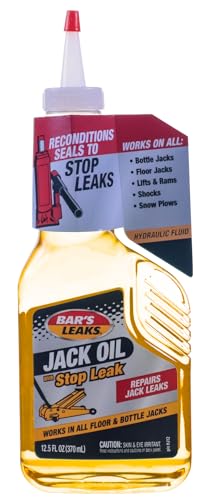
Bar's Leaks
Bar's Leaks Jack Oil with Stop Leak - 12.5 oz
Stops Current Leaks And Prevents Future Leaks
Buy on AmazonTable of Contents
- Understanding Hydraulic Oil Grades
- The Importance of Viscosity
- Common Applications for Various Grades
- How to Choose the Right Grade of Hydraulic Oil
- Maintenance Tips for Hydraulic Systems
- Frequently Asked Questions
Understanding Hydraulic Oil Grades
Hydraulic oils are classified into different grades based on their viscosity and performance characteristics. The most common grading system is based on the Society of Automotive Engineers (SAE) standards, which specify the viscosity grades of oils. Hydraulic oils typically fall into categories such as ISO grades, SAE grades, and others that indicate their suitability for various applications.
ISO Grades
ISO (International Organization for Standardization) grades are widely used to classify hydraulic oils. The ISO viscosity grade (VG) indicates the oil’s viscosity at 40 degrees Celsius. Common ISO grades include 10, 22, 32, 46, and 68.
SAE Grades
The SAE grading system is often used for engine oils but can also apply to hydraulic oils. It classifies oils based on their viscosity at different temperatures. For example, SAE 10 oil has a lower viscosity than SAE 30 oil. However, hydraulic oils are more commonly referenced using ISO grades.
The Importance of Viscosity
Viscosity is a critical property of hydraulic oil, affecting its ability to flow and lubricate components within the hydraulic system. The right viscosity ensures efficient energy transfer, reduces wear, and prevents overheating. Several factors influence the viscosity of hydraulic oil, including temperature, operating conditions, and the specific requirements of the hydraulic system.
Effects of Temperature on Viscosity
Temperature variations can significantly impact the viscosity of hydraulic oils. As temperature increases, oil viscosity decreases, leading to thinner oil that may not provide adequate lubrication under high load conditions. Conversely, at low temperatures, the oil may become too thick, hampering its flow and performance. It’s essential to select a hydraulic oil that maintains optimal viscosity across the expected temperature range.
Viscosity Index (VI)
The viscosity index measures how much a fluid’s viscosity changes with temperature. A higher VI indicates that the oil will maintain its viscosity better across varying temperatures, making it suitable for applications with wide temperature fluctuations.
Common Applications for Various Grades
Different grades of hydraulic oil are suited for various applications. Understanding where each grade excels can help you make the right choice for your hydraulic system.
ISO 10 and ISO 22
These lower viscosity oils are typically used in systems requiring fast response times, such as precision machinery and small hydraulic systems. They provide excellent lubrication while minimizing energy loss.
ISO 32
ISO 32 hydraulic oil is often used in moderate-temperature environments and is commonly found in machine tools, industrial hydraulic systems, and agricultural equipment. Its balanced viscosity makes it a versatile choice for various applications.
ISO 46 and ISO 68
These oils are suitable for heavy-duty applications, such as construction equipment, large hydraulic presses, and other industrial machinery. They offer good thermal stability and wear protection, ensuring reliable operation under high loads.
ISO 100
ISO 100 grade hydraulic oils are used in extreme conditions where high viscosity is required. This grade is often found in hydraulic systems subjected to high temperatures or pressures, such as in mining and heavy machinery.
How to Choose the Right Grade of Hydraulic Oil
Choosing the appropriate grade of hydraulic oil requires careful consideration of several factors. Here’s a step-by-step guide to help you make an informed decision:
1. Refer to Manufacturer Specifications
The first step in selecting hydraulic oil is to check the equipment manufacturer’s specifications. They will provide the recommended viscosity grade and any specific requirements for the hydraulic fluid.
2. Consider Operating Conditions
Evaluate the operating environment where the hydraulic system will be used. Factors such as temperature range, load conditions, and potential exposure to contaminants will influence the choice of oil grade.
3. Assess System Design
Different hydraulic systems have unique design characteristics that affect fluid performance. For example, systems with high-speed components may benefit from lower viscosity oils, while those under heavy loads may require higher viscosity grades.
4. Evaluate Fluid Compatibility
If you are changing hydraulic oil grades, ensure that the new oil is compatible with the existing fluid. Mixing different grades or types of hydraulic oil can lead to performance issues and potential damage to the system.
Maintenance Tips for Hydraulic Systems
Proper maintenance of hydraulic systems is essential for ensuring optimal performance and prolonging their lifespan. Here are some essential maintenance tips:
1. Regular Fluid Checks
Monitor the hydraulic fluid level and quality regularly. Low fluid levels can lead to cavitation, while contaminated or degraded oil can cause system failures.
2. Change Oil as Recommended
Follow the manufacturer’s recommendations for oil change intervals. Regular oil changes help remove contaminants and ensure that the hydraulic system operates efficiently.
3. Keep the System Clean
Ensure that the hydraulic system is free from contaminants. Use proper filtration and seal any leaks to prevent dirt and moisture from entering the system.
4. Inspect Components
Regularly inspect hydraulic components, such as hoses, seals, and pumps, for wear and damage. Address any issues promptly to avoid costly repairs.
Frequently Asked Questions
A: ISO 32 is one of the most commonly used hydraulic oil grades in various industrial applications due to its balanced viscosity and versatility.
A: It is generally not recommended to mix different grades of hydraulic oil, as this can lead to performance issues and potential damage to the system. Always consult the manufacturer’s guidelines.
A: Signs of contamination include changes in color, the presence of particulates, unusual odors, or decreased performance of the hydraulic system.
A: Additives in hydraulic oils enhance performance by providing properties such as anti-wear, anti-oxidation, and anti-foaming capabilities, ensuring the oil performs well in various conditions.
A: The frequency of oil changes depends on the manufacturer’s recommendations, operating conditions, and oil quality. Regular monitoring of oil condition can help determine the optimal change interval.
In conclusion, selecting the right grade hydraulic oil is vital for ensuring optimal performance and longevity of hydraulic systems. Understanding the significance of viscosity, common applications, and maintenance practices will help you make informed decisions. Whether you are dealing with ISO 10, 32, 46, 68, or 100 grades, always prioritize the specific requirements of your hydraulic system to achieve the best results.
For more information on specific hydraulic oils, check out these articles: The 7 Best Hydraulic Oil 320 of 2026, The 7 Best Hydraulic Oil 10 Petron of 2026, The 7 Best Hydraulic Fluid for 8N Ford Tractor in 2026, The 7 Best Hydraulic Oil 100 Grade of 2026, and The 7 Best Hydraulic Fluid 737 of 2026.
Related pick: Check today's price on Amazon