Hydraulic oils are essential for the functioning of numerous machinery and equipment, providing lubrication and power transmission in hydraulic systems. However, one question that often arises among users and operators is whether these oils are flammable and if they can catch fire under certain conditions. Understanding the properties of hydraulic oil in relation to fire hazards is crucial for safety and operational efficiency.
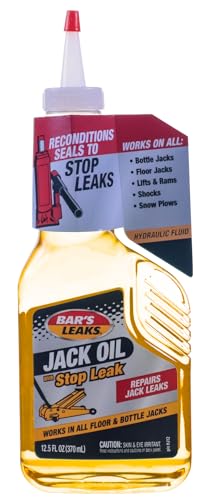
Bar's Leaks
Bar's Leaks Jack Oil with Stop Leak - 12.5 oz
Stops Current Leaks And Prevents Future Leaks
Buy on AmazonTable of Contents
- Understanding Hydraulic Oil
- Factors Affecting Flammability
- Fire-Resistant Hydraulic Oils
- Safe Handling Practices
- Frequently Asked Questions
Understanding Hydraulic Oil
Hydraulic oil serves as a medium through which power is transmitted in hydraulic machinery. It typically consists of base oils derived from petroleum or synthetic sources, combined with additives that enhance performance characteristics such as viscosity, anti-wear protection, and oxidation stability. The specific formulation of hydraulic oil can significantly influence its behavior when exposed to heat or flames.
Types of Hydraulic Oils
Hydraulic oils can generally be categorized into two main types: mineral-based and synthetic oils. Mineral oils are derived from crude oil and may contain various additives, while synthetic oils are chemically engineered to provide superior performance in terms of stability and temperature resistance.
Factors Affecting Flammability
Several factors influence the likelihood of hydraulic oil catching fire, including its flash point, fire point, and the presence of contaminants.
Flash Point
The flash point is the temperature at which the oil emits enough vapor to ignite when exposed to an open flame. Hydraulic oils with low flash points are more susceptible to ignition.
Fire Point
The fire point is the temperature at which the oil will continue to burn after ignition. It is typically higher than the flash point and indicates the oil’s ability to sustain combustion.
Contaminants
Contaminants such as water, dirt, or other flammable substances can significantly alter the flammability of hydraulic oil. For instance, water contamination can lower the flash point, increasing the risk of fire.
Fire-Resistant Hydraulic Oils
To mitigate fire risks, many manufacturers produce fire-resistant hydraulic oils. These oils are formulated to withstand higher temperatures without igniting and are particularly useful in applications where fire hazards are a concern.
Types of Fire-Resistant Hydraulic Oils
Fire-resistant hydraulic oils can be broadly categorized into three groups:
- Water-containing fluids: These include water-glycol solutions that can extinguish flames and provide a cooling effect.
- Water-free fluids: These typically contain phosphate esters or other synthetic compounds that resist ignition.
- Biodegradable fluids: These oils are designed to be environmentally friendly while also providing fire resistance.
Safe Handling Practices
To reduce the risk of fire when using hydraulic oils, it is essential to follow safe handling practices. Here are some key recommendations:
Storage
Store hydraulic oils in cool, dry places away from direct sunlight and sources of heat. Ensure that containers are appropriately labeled and tightly sealed to prevent spills and leaks.
Regular Maintenance
Routine maintenance of hydraulic systems can prevent leaks and spills, which are potential fire hazards. Regularly check for signs of wear and tear, and replace worn components promptly.
Training and Awareness
Training employees on the safe handling and storage of hydraulic oils is crucial. Ensure that everyone understands the properties of the oil they are working with and the appropriate emergency response procedures in case of a fire.
Frequently Asked Questions
A: Hydraulic oil can catch fire, but the likelihood depends on its flash point, fire point, and the presence of contaminants. Oils with lower flash points are more susceptible to ignition.
A: The flash point of hydraulic oil varies based on its formulation. Generally, it ranges from around 100°F to over 400°F for fire-resistant oils.
A: To reduce fire risks, store oils properly, conduct regular maintenance, ensure cleanliness to avoid contamination, and train employees in safe handling practices.
A: Yes, many manufacturers offer fire-resistant hydraulic oils designed to withstand higher temperatures and reduce the risk of combustion.
A: In case of a hydraulic oil fire, use appropriate fire extinguishers, evacuate the area, and contact emergency services. Never use water to extinguish oil fires as it can spread the flames.
Conclusion
In summary, while hydraulic oil can catch fire, the extent of the risk depends on various factors, including the oil’s composition and environmental conditions. By understanding these risks and implementing safe handling practices, users can enjoy the benefits of hydraulic oils while minimizing fire hazards. For those interested in specific types of hydraulic oils, consider exploring the following resources:
- The 7 Best Hydraulic Oil 5 Gallon of 2026
- The 7 Best Hydraulic Oil 5606 of 2026
- The 7 Best Hydraulic Oil 15W40 of 2026
- The 7 Best Hydraulic Fluid 756 of 2026
- The 7 Best Hydraulic Fluid 782 of 2026
By staying informed and vigilant, you can ensure that you are using hydraulic oils safely and effectively while minimizing any fire risks associated with them.
Related pick: Check today's price on Amazon