 Eng. Kamrul Islam
 In this guide
When it comes to hydraulic systems, the choice of hydraulic oil is crucial for maintaining optimal performance and ensuring longevity. However, one common concern that many equipment operators and maintenance professionals have is whether hydraulic oil can freeze in colder temperatures. Understanding the effects of temperature on hydraulic oil is essential for preventing equipment malfunctions and ensuring smooth operations, especially in regions that experience freezing conditions. In this article, we will explore the freezing point of hydraulic oil, the factors that influence its viscosity in cold weather, and best practices for maintaining hydraulic systems during winter months.
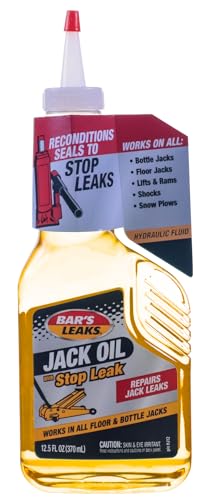
Bar's Leaks
Bar's Leaks Jack Oil with Stop Leak - 12.5 oz
Stops Current Leaks And Prevents Future Leaks
Buy on AmazonTable of Contents
- Understanding Hydraulic Oil
- Freezing Point of Hydraulic Oil
- Factors Affecting Freezing
- Preventive Measures to Avoid Freezing
- Common Issues Caused by Freezing
- Frequently Asked Questions
- Conclusion
Understanding Hydraulic Oil
Hydraulic oil is a type of fluid used in hydraulic systems to transfer power. It serves several functions including lubrication, heat transfer, and corrosion protection. The selection of hydraulic oil is influenced by its viscosity, temperature range, and the specific requirements of the hydraulic system. Common types of hydraulic oil include mineral oils, biodegradable oils, and synthetic oils, each with unique properties that affect their performance in varying temperatures.
Freezing Point of Hydraulic Oil
The freezing point of hydraulic oil is not a fixed value; it varies based on the oil’s composition. Mineral oils typically have higher freezing points than synthetic oils. Here are some general guidelines regarding the freezing points of different hydraulic oils:
| Type of Hydraulic Oil | Typical Freezing Point |
|---|---|
| Mineral Oil | -10°C to -20°C (14°F to -4°F) |
| Synthetic Oil | -40°C to -60°C (-40°F to -76°F) |
| Biodegradable Oil | -10°C to -20°C (14°F to -4°F) |
Factors Affecting Freezing
Several factors can influence whether hydraulic oil will freeze in cold temperatures:
1. Viscosity
The viscosity of hydraulic oil changes with temperature. In colder temperatures, oil becomes more viscous, making it harder for the hydraulic system to function properly. Oils with lower viscosity ratings perform better in cold weather, as they remain fluid at lower temperatures.
2. Additives
Many hydraulic oils contain additives that enhance their performance, including pour point depressants. These additives can lower the freezing point of the oil, allowing it to remain fluid in colder conditions. Choosing an oil with the right additives can make a significant difference in preventing freezing.
3. Environmental Conditions
The external environment plays a crucial role in the performance of hydraulic oils. Prolonged exposure to extreme cold can lead to the oil reaching its freezing point, especially if the system is not in use. Additionally, humidity and moisture can also affect the oil’s properties.
Preventive Measures to Avoid Freezing
To prevent hydraulic oil from freezing and ensure optimal performance during cold weather, consider implementing the following preventive measures:
1. Choose the Right Oil
Select hydraulic oil with a suitable viscosity rating for your operating environment. For colder climates, opt for synthetic oils or those formulated with pour point depressants.
2. Insulate the System
Insulating hydraulic lines and components can help maintain a stable temperature and minimize the risk of freezing. Insulation materials can include heat tape or thermal blankets specifically designed for hydraulic systems.
3. Maintain Proper Fluid Levels
Ensure that the hydraulic system is filled to the appropriate level. Low fluid levels can lead to excessive air exposure, which can accelerate the cooling of the oil and increase the risk of freezing.
4. Use Heating Systems
In extremely cold conditions, consider using heating systems for hydraulic fluid reservoirs. Electric heaters or oil warmers can prevent the oil from reaching freezing levels while the equipment is idle.
Common Issues Caused by Freezing
Freezing hydraulic oil can lead to several problems that can affect equipment performance and safety:
1. Reduced System Efficiency
When hydraulic oil freezes, it thickens and becomes less effective at lubricating and transferring power. This can lead to sluggish operation and reduced efficiency in hydraulic systems.
2. Damage to Components
Frozen hydraulic oil can cause pump failure, valve blockages, and damage to seals and hoses. This can lead to costly repairs and increased downtime.
3. Increased Wear and Tear
Operating hydraulic systems with thickened oil can lead to increased friction and wear on components, ultimately reducing their lifespan and requiring more frequent maintenance.
Frequently Asked Questions
A: No, motor oil is not designed for hydraulic systems and may not provide the necessary properties for effective operation, especially in cold temperatures.
A: Signs of freezing include sluggish operation of hydraulic components, unusual noises, or visible oil thickening. If the hydraulic oil appears cloudy or sludgy, it may be at risk of freezing.
A: If you suspect that your hydraulic oil has frozen, cease operation immediately. Allow the system to warm up gradually and check for any damage before restarting.
Conclusion
Understanding whether hydraulic oil can freeze is critical for maintaining hydraulic systems, particularly in colder climates. By selecting the right type of hydraulic oil, implementing preventive measures, and staying vigilant about environmental conditions, operators can prevent freezing issues and ensure optimal performance. Regular maintenance and monitoring are key to extending the life of hydraulic systems, keeping them running smoothly through all seasons. For more information on selecting the right hydraulic fluids, check out articles like The 7 Best Hydraulic Fluid 75 Motorex of 2026, The 7 Best Hydraulic Oil 220 Grade of 2026, The 7 Best Hydraulic Fluid for 8N Ford Tractor in 2026, The 7 Best Hydraulic Oil 22 of 2026, and The 7 Best Hydraulic Fluid 756 of 2026. Stay proactive, and your hydraulic systems will reward you with reliable performance for years to come.
Related pick: Check today's price on Amazon

Eng. Kamrul Islam
Founder and product researcher
Engineer with more than 10 years of experience researching and selling products on Amazon, including his own brand on Amazon Australia. He compares specs, standards, sellers and owner feedback.
All guides by Eng. Kamrul IslamMore in hydraulic oils
All 225 guidesWhat Hydraulic Oil For Log Splitter
Choosing the right hydraulic oil for your log splitter is crucial for ensuring optimal performance and longevity of…
Hydraulic Oil And Water Separator
In the world of hydraulic systems, maintaining optimal performance is essential for the longevity and efficiency of equipment.…
Which Hydraulic Fluid For Bobcat
When it comes to operating heavy machinery like Bobcat equipment, the importance of choosing the right hydraulic fluid…