Gear oil is essential for lubricating gears in various machinery and vehicles, ensuring smooth operation and reducing wear. However, spills and accidents can happen, leading to gear oil staining your clothes. Many people wonder, “Will gear oil come out of clothes?” The answer is more complicated than a simple yes or no. While gear oil can often be removed from fabric, the success of the removal process depends on several factors, including the type of fabric, the age of the stain, and the cleaning methods used. In this article, we will explore the properties of gear oil, effective stain removal techniques, and tips for preventing stains in the first place.
Hydro-Gear
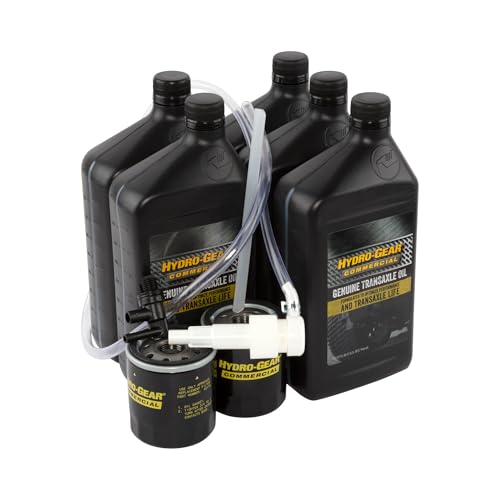
Hydro Gear Genuine 72750 Transaxle Service Kit for ZT2800 ZT3100 ZT3200 ZT3400
Brand New Genuine Hydro Gear 72750 Transaxle Service Kit For ZT2800 ZT3100 ZT3200 ZT3400...
Buy on AmazonTable of Contents
- Understanding Gear Oil
- How Gear Oil Stains Clothes
- Removing Gear Oil Stains
- Preventing Gear Oil Stains
- FAQ
Understanding Gear Oil
Gear oil is a lubricant designed specifically for gears and gearboxes. It has a higher viscosity than standard motor oil, allowing it to adhere better to metal surfaces and withstand extreme pressures. The composition of gear oil typically includes base oils derived from petroleum or synthetic sources, combined with various additives to enhance performance, such as anti-wear agents, corrosion inhibitors, and foam suppressants.
How Gear Oil Stains Clothes
Gear oil can stain clothes due to its oily, thick consistency. When gear oil comes into contact with fabric, it can penetrate the fibers, making it difficult to remove. The longer the oil sits on the fabric, the more challenging it becomes to clean. Additionally, gear oil can leave behind dark, greasy marks, which are not only unsightly but can also compromise the integrity of the fabric over time.
Removing Gear Oil Stains
Removing gear oil stains from clothing requires prompt action and the right cleaning techniques. Here are effective methods for treating gear oil stains:
Pre-Treatment Methods
Before laundering stained clothes, pre-treatment is crucial. Here are some effective pre-treatment methods:
| Method | Instructions |
|---|---|
| Baking Soda Paste | Mix equal parts baking soda and water to form a paste. Apply it to the stained area and let it sit for 30 minutes before rinsing. |
| Dish Soap | Apply a few drops of dish soap directly to the stain. Gently rub the fabric together, allowing the soap to penetrate the fibers. Rinse with cold water. |
| Liquid Laundry Detergent | Apply a small amount of liquid laundry detergent to the stain, working it into the fabric. Let it sit for 10-15 minutes, then rinse. |
| Vinegar Solution | Mix one part white vinegar with two parts water. Soak the stained area in the solution for 30 minutes before rinsing with cold water. |
Laundering Techniques
After pre-treating the stain, laundering the clothing properly is crucial. Here are some tips:
- Use the cold water setting on your washing machine, as hot water can set the stain.
- Check the care label for specific washing instructions.
- Do not dry the clothing until you are sure the stain is completely removed, as drying can set any remaining stain.
Preventing Gear Oil Stains
Prevention is always better than cure. Here are some practical tips to prevent gear oil from staining your clothes:
- Wear Protective Clothing: When working with gear oil, wear old clothes or protective gear that you won’t mind getting stained.
- Use Drip Trays: If you’re working on machinery, use drip trays to catch any excess oil.
- Store Gear Oil Properly: Ensure that gear oil containers are tightly sealed and stored upright to prevent leaks.
FAQ
A: No, different fabrics may require different treatment methods. Always refer to the care label and test cleaning solutions on a small area first.
A: Most pre-treatment methods recommend letting the solution sit for 10 to 30 minutes, depending on the product used.
A: Do not dry the clothing; instead, repeat the pre-treatment and wash process until the stain is removed.
A: Commercial stain removers can be effective, but ensure they are suitable for the type of fabric you are treating and follow the instructions carefully.
In conclusion, gear oil can indeed come out of clothes with the right approach. By understanding the characteristics of gear oil, taking immediate action to treat stains, and employing effective laundering techniques, you can minimize the impact of accidental spills. Additionally, practicing preventive measures can help avoid these stains in the first place. For those who frequently work with gear oil, investing in protective gear and being mindful of your surroundings can save you from future headaches.
For more information, check out our articles on The 7 Best Gear Oil Hand Pumps of 2026, The 7 Best Gear Oils for Bikes in 2026, The 7 Best Gear Oils for Ertiga in 2026, The 7 Best Gear Oil 75W-80 of 2026, and The 7 Best Gear Oil Bolt Size for Honda Click in 2026 for further insights on gear oils and their applications.
Related pick: Check today's price on Amazon