 Eng. Kamrul Islam
 In this guide
When it comes to automotive maintenance, one of the most frequently overlooked aspects is the air conditioning system. Many car owners understand the importance of regular oil changes for their engines but may not realize that the air conditioning system also requires specific types of oil to function efficiently. Just like engine oil lubricates and protects your engine, air conditioning oil plays a critical role in keeping your car’s AC system running smoothly. In this article, we will delve into the details of air conditioning oil for cars, its types, functions, and maintenance tips to ensure your AC system remains in optimal condition.
Table of Contents
- What is Air Conditioning Oil?
- Types of Air Conditioning Oil
- Functions of Air Conditioning Oil
- How to Check Air Conditioning Oil
- How to Add Air Conditioning Oil
- Common Issues Related to Air Conditioning Oil
- FAQ
What is Air Conditioning Oil?
Air conditioning oil, often referred to as refrigerant oil or compressor oil, is a lubricant used in the air conditioning systems of vehicles. This specialized oil helps to maintain the efficiency of the AC system by lubricating components such as the compressor, which is crucial for the system’s performance. Without the correct type of oil, the AC system can suffer from increased wear and tear, leading to premature failure of the components.
Types of Air Conditioning Oil
There are several types of air conditioning oils available on the market, each formulated to work with specific refrigerants and types of AC systems. Understanding these types can help you choose the right oil for your vehicle’s needs.
Mineral Oil
Mineral oil is derived from refining crude oil and is one of the oldest types of lubricants used in air conditioning systems. It is primarily used with R-12 refrigerant systems. However, due to environmental concerns, R-12 has been largely phased out in favor of more eco-friendly refrigerants.
Synthetic Oil
Synthetic oils are man-made lubricants designed to provide superior performance compared to mineral oils. They offer better thermal stability, lower volatility, and can be used with a wider range of refrigerants, including R-134a and R-1234yf. Many modern vehicles utilize synthetic oils due to their enhanced properties.
Esters and Alkyl Benzene Oils
Esters are commonly used in systems with R-134a and R-1234yf refrigerants. They provide excellent lubrication and compatibility with various refrigerants and components. Alkyl benzene oils, while less common, are another option for certain AC systems.
Functions of Air Conditioning Oil
Air conditioning oil serves multiple functions within the AC system, crucial for its effective operation. Here are some of the primary functions:
Lubrication
The primary function of air conditioning oil is to lubricate the moving parts of the compressor. This lubrication reduces friction, which can lead to wear and tear, ensuring that the compressor operates smoothly and efficiently.
Cooling
Air conditioning oil also assists in the cooling process. It absorbs heat from the refrigerant, helping to maintain optimal operating temperatures within the system. This cooling effect is vital for preventing overheating and damage to the compressor.
Seal Protection
Air conditioning oil helps to keep seals and gaskets in good condition, preventing leaks. Proper lubrication of these components is essential for maintaining the integrity of the AC system, as leaks can lead to a loss of refrigerant and reduced performance.
How to Check Air Conditioning Oil
Regularly checking the level and condition of air conditioning oil is essential for maintaining an efficient AC system. Here’s how to do it:
Tools Needed
- AC oil gauge
- Refrigerant oil
- Rags or towels
Steps to Check Oil Level
- Start by locating the AC compressor in your vehicle. It is usually found near the front of the engine bay.
- Look for the oil sight glass or the oil fill port. If your system has a sight glass, you can easily see the oil level.
- Use an AC oil gauge to check the oil level if no sight glass is available.
- If the oil level is low or the oil appears dirty or contaminated, it’s time to add new oil.
How to Add Air Conditioning Oil
If your inspection reveals that the air conditioning oil level is low, you will need to add oil. Here’s a step-by-step guide:
Tools and Materials Needed
- Correct type of air conditioning oil
- AC oil injector or a funnel
- Wrenches or sockets (if necessary)
Steps to Add Oil
- Ensure the vehicle is off and has cooled down.
- Locate the compressor and the oil fill port.
- If necessary, remove the cap from the oil fill port using a wrench or socket.
- Using an AC oil injector or funnel, slowly add the recommended amount of oil. Be careful not to overfill, as this can cause system issues.
- Replace the cap securely and start the vehicle to allow the oil to circulate through the system.
Common Issues Related to Air Conditioning Oil
Understanding common issues that can arise from incorrect air conditioning oil levels or types can help you maintain your system better. Here are some of the prevalent problems:
Low Oil Levels
Low oil levels can lead to inadequate lubrication, resulting in increased friction and wear on the compressor. This can ultimately lead to compressor failure and costly repairs.
Contaminated Oil
Over time, air conditioning oil can become contaminated with moisture, dirt, or metal particles. Contaminated oil can cause blockages and reduced efficiency in the system, necessitating a complete oil change and system flush.
Using the Wrong Type of Oil
Using the incorrect type of air conditioning oil can lead to compatibility issues, causing inadequate lubrication and potentially damaging the AC components. Always refer to your vehicle’s manual to select the correct oil.
FAQ
A: It’s a good practice to check your car’s air conditioning oil at least once a year or during regular maintenance checks.
A: No, engine oil is not suitable for use in air conditioning systems. Always use the recommended type of air conditioning oil for your vehicle.
A: Not adding oil can lead to compressor failure, reduced cooling efficiency, and potentially higher repair costs.
A: You can explore options such as The 7 Best Air Conditioning Refrigerant Oils of 2026 for quality products.
Conclusion
Maintaining the air conditioning system in your vehicle is crucial for comfort and performance, especially during hot weather. Understanding the importance of air conditioning oil, knowing how to check and add it, and being aware of common issues can help you ensure your AC system operates efficiently and has a long lifespan. By following the guidelines and tips in this article, you can take proactive steps to maintain your vehicle’s air conditioning system, ensuring cool, comfortable rides for years to come. For further insights, don’t forget to check out The 7 Best Car Air Conditioning Leaking Oil of 2026, The 7 Best Air Conditioning Unit Oils of 2026, and The 7 Best Air Conditioning Machine Oil of 2026 for more information on quality products for your needs.
Related pick: Check today's price on Amazon

Eng. Kamrul Islam
Founder and product researcher
Engineer with more than 10 years of experience researching and selling products on Amazon, including his own brand on Amazon Australia. He compares specs, standards, sellers and owner feedback.
All guides by Eng. Kamrul IslamMore in ac & compressor oils
All 193 guides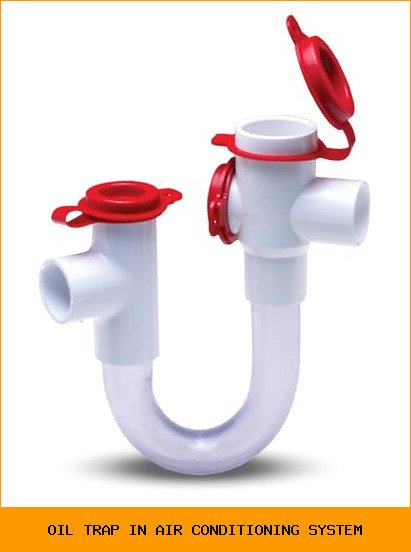 How-to
How to Handle an Oil Trap in an Air Conditioning System: A Practical Guide
You open a supply house catalog or scroll through Amazon and see something called an oil trap. Maybe…
 Guide
GuideSlomin’s Home Heating Oil and Air Conditioning: A Complete Service Guide
You walk into your living room on a cold January morning and the thermostat reads 58 degrees. The…
 Guide
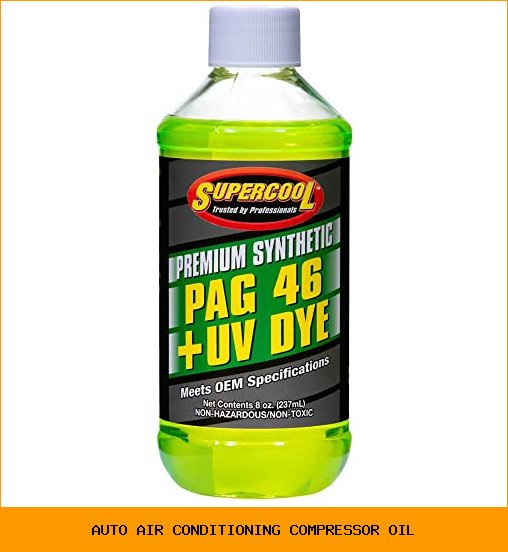
GuideAuto Air Conditioning Compressor Oil: What Most DIYers Get Wrong
You just finished charging your car’s AC. The gauge reads perfect, but the air coming out of the…