 Eng. Kamrul Islam
 In this guide
Choosing the right AC compressor oil is crucial for maintaining the efficiency and longevity of your air conditioning system. Whether you are working on a vehicle’s air conditioner or a residential HVAC unit, understanding which type of oil to use can prevent costly repairs and ensure optimal performance. With numerous oil types and specifications available, it’s essential to match the oil to your system’s requirements and refrigerant type.
Table of Contents
- Types of AC Compressor Oils
- How to Choose the Right AC Compressor Oil
- Importance of Oil Viscosity
- Common Mistakes When Selecting Oil
- How to Add Oil to the AC Compressor
- Frequently Asked Questions
- Conclusion
Types of AC Compressor Oils
AC compressor oils vary primarily by their chemical composition and compatibility with refrigerants. The main types are mineral oils, polyalkylene glycol (PAG) oils, polyolester (POE) oils, and polyvinyl ether (PVE) oils.
Mineral Oil
Mineral oil was traditionally used in older AC systems, especially those running on R-12 refrigerant. It is petroleum-based and has limited compatibility with newer refrigerants such as R-134a or R-1234yf.
Polyalkylene Glycol (PAG) Oil
PAG oils are synthetic oils designed for use with R-134a refrigerant systems. They provide excellent lubrication and thermal stability but are hygroscopic, meaning they absorb moisture from the air easily, which can degrade the system.
Polyolester (POE) Oil
POE oils are synthetic and compatible with a wide range of modern refrigerants, including R-134a, R-410A, and R-1234yf. They offer superior lubrication properties and are less hygroscopic than PAG oils, making them more resilient in various environments.
Polyvinyl Ether (PVE) Oil
PVE oils are less common but are sometimes used in refrigeration systems with specific refrigerants. They have excellent chemical stability and compatibility but are generally more expensive.
How to Choose the Right AC Compressor Oil
Selecting the right oil involves matching the oil type to the refrigerant, compressor type, and system specifications. Here are the key factors to consider:
1. Refrigerant Compatibility
The most critical factor is the refrigerant in your system. Here’s a quick compatibility guide:
| Refrigerant | Recommended Oil Type | Notes |
|---|---|---|
| R-12 | Mineral Oil | Used in older systems; obsolete refrigerant |
| R-134a | PAG or POE Oil | POE preferred for retrofits; PAG common in automotive |
| R-410A | POE Oil | High-pressure systems; synthetic only |
| R-1234yf | POE Oil | Newest refrigerant; eco-friendly |
2. Compressor Type
Some compressors require specific oil viscosities or types to function correctly. Scroll your compressor’s manual or manufacturer’s guidelines for recommended oil specifications.
3. Operating Conditions
Temperature and load conditions impact oil viscosity choice. For colder climates, lower viscosity oils might be preferred for better flow during startup.
Importance of Oil Viscosity
Viscosity refers to the thickness or flow resistance of the oil. It’s vital because the oil must lubricate the compressor parts effectively across a range of temperatures.
Common Viscosity Grades
Compressor oils typically come in ISO viscosity grades like ISO 32, ISO 46, or ISO 68. The lower the number, the thinner the oil.
| ISO Grade | Typical Use | Temperature Range |
|---|---|---|
| ISO 32 | Light lubrication; cold climates | -20°C to 70°C |
| ISO 46 | Most common; balanced lubrication | -10°C to 90°C |
| ISO 68 | Heavy-duty or high-temp applications | 0°C to 120°C |
Common Mistakes When Selecting Oil
Even experienced technicians can fall into common pitfalls when choosing AC compressor oil. Avoid these mistakes:
Mixing Different Oil Types
Mixing mineral oil with synthetic oils like PAG or POE can cause oil gel formation, leading to blockages and compressor failure.
Ignoring Refrigerant Changes
When retrofitting an older system to use a newer refrigerant, you must switch to a compatible oil type, usually synthetic.
Not Monitoring Oil Levels
Too little or too much oil can cause compressor damage or reduced efficiency. Always measure and add oil as per manufacturer instructions.
How to Add Oil to the AC Compressor
Adding oil to the AC compressor is a task requiring precision and care. Here’s a step-by-step guide:
Step 1: Identify the Oil Type and Quantity
Refer to your compressor manufacturer’s specifications for the recommended oil type and volume.
Step 2: Recover Refrigerant
Before adding oil, the refrigerant must be recovered to avoid releasing harmful gases.
Step 3: Drain Old Oil (If Necessary)
If replacing oil, drain the old oil completely to avoid mixing incompatible oils.
Step 4: Add New Oil
Use a clean, dry container or an oil injector tool to add the new oil carefully.
Step 5: Reinstall Components and Recharge System
After adding oil, reassemble the system and recharge it with the correct refrigerant.
Frequently Asked Questions
A: No. The oil must be compatible with your system’s refrigerant and compressor type to avoid damage.
A: Typically, oil is changed during major service or compressor replacement. Signs include reduced cooling efficiency or compressor noise.
A: Mineral oil is incompatible with R-134a and may cause oil separation and compressor failure.
A: POE oils are generally preferred for better compatibility and stability with modern refrigerants, but PAG oils are still widely used in automotive AC systems.
A: There are many suppliers, but for trustworthy options, check out The 7 Best Air Conditioning Oils of 2026.
Conclusion
Choosing the right AC compressor oil is foundational to the health and efficiency of your air conditioning system. By understanding the differences between mineral, PAG, POE, and PVE oils and their compatibility with refrigerants like R-134a, R-410A, and R-1234yf, you can avoid costly damage and maintain smooth operation.
Always prioritize manufacturer recommendations and system specifications when selecting oil. Proper oil viscosity, careful oil handling, and regular maintenance are key to extending your compressor’s life. Remember, using the wrong oil or mixing oils can lead to system failure, so exercise caution.
For more detailed product suggestions and tools to maintain your AC system, consider exploring specialized oils and accessories such as The 7 Best Air Conditioning Machine Oil of 2026, The 7 Best Air Conditioning ORing Oil of 2026, and The 7 Best Air Conditioner Oil Diffusers of 2026.

Eng. Kamrul Islam
Founder and product researcher
Engineer with more than 10 years of experience researching and selling products on Amazon, including his own brand on Amazon Australia. He compares specs, standards, sellers and owner feedback.
All guides by Eng. Kamrul IslamMore in ac & compressor oils
All 193 guidesWhat Oils Are In Conditioner
When it comes to maintaining and optimizing air conditioning systems, understanding the role of various oils in conditioners…
The 7 Best Air Conditioning 134a Oils of 2026
Navigating the variety of air conditioning oils available can be daunting, especially in a constantly evolving market. **Air…
 How-to
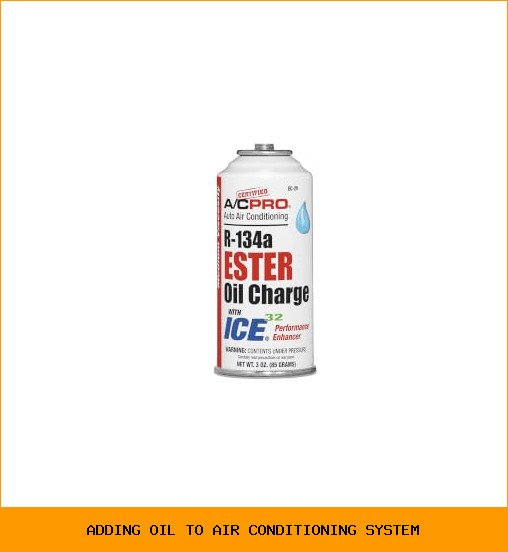
How to Add Oil to an Air Conditioning System (Without Ruining It)
You hooked up a recharge kit, topped off the refrigerant, and the air still blows warm. Or worse,…